
Few differences in outcomes between open and laparoscopic prostate surgery
Of the 200,000 men newly diagnosed with prostate cancer each year in the United States, about one-third will undergo surgical treatment. Although open radical prostatectomy (ORP) is regarded as the standard treatment, laparoscopic radical prostatectomy (LRP) with or without robotic assistance is becoming more common.
In a study published online today in The Journal of Urology, researchers from the Urology Service, Department of Surgery, Memorial Sloan-Kettering Cancer Center, New York, examined the postoperative outcomes of both ORP and LRP and found similar rates of success. They advise that men considering prostate cancer surgery should understand the expected benefits and risks of each technique to facilitate decision making and set realistic expectations.
Enthusiasm for LRP, specifically for LRP with robotic assistance, has grown rapidly despite limited evidence of its superiority to ORP. While most studies to date have been based on a limited number of patients or from single institutions, the authors of the current study compared ORP and LRP outcomes in a population based cohort of almost 6000 men 66 years of age or older with clinically localized prostate cancer, controlling for patient and tumor characteristics, and examined the impact of surgeon volume in men treated with LRP.
Dr. Yair Lotan, Department of Urology, University of Texas Southwestern Medical Center, Dallas, comments on the study, “A concern of these authors is the perception among patients that the robotic approach to prostatectomy is significantly superior. This perception is often reinforced by advertising from industry and physicians. Patients deserve to have a realistic expectation of surgical outcomes, especially considering the multiple other available treatment options. Notably the main information that a patient must know is not the prostatectomy approach but surgeon experience.
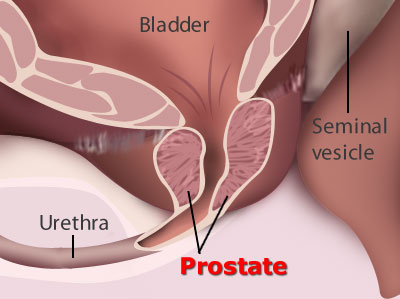 Several studies show that the primary determinant of prostatectomy outcome is surgical volume. Patients should be educated on likely outcomes of a procedure based on individual surgeon experience. Unfortunately this information is often harder to obtain than published reports from experts in the field.”
After adjusting for patient and tumor characteristics, there were no differences in the rate of general medical/surgical complications or genitourinary/bowel complications, or in postoperative radiation and/or androgen deprivation. LRP was associated with a 35% shorter hospital stay and a lower bladder neck/urethral obstruction rate. In laparoscopic cases, the surgeon’s experience with the procedure was inversely associated with hospital stay and the odds of any genitourinary/bowel complication.
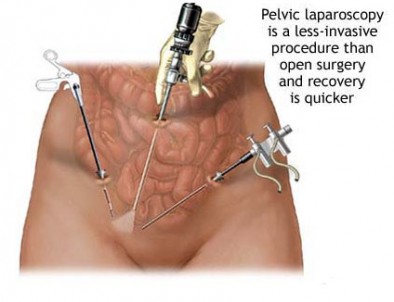 Writing in the article, William T. Lowrance, MD, and colleagues state, “Results suggest that ORP and LRP have similar rates of postoperative mortality and morbidity. Controlling for important patient and tumor characteristics, the only differences favoring LRP were shorter length of stay and a lower risk of bladder neck or urethral obstruction. All men considering radical prostatectomy should be clearly informed about the differences between the 2 techniques and similarities in their expected outcomes, and make treatment decisions in collaboration with an experienced surgeon.”
###
The article is “Comparative Effectiveness of Prostate Cancer Surgical Treatments: A Population Based Analysis of Postoperative Outcomes” by William T. Lowrance, Elena B. Elkin, Lindsay M. Jacks, David S. Yee, Thomas L. Jang, Vincent P. Laudone, Bertrand D. Guillonneau, Peter T. Scardino and James A. Eastham. It is published online (DOI:10.1016/j.juro.2009.12.021) and will appear in The Journal of Urology, Volume 183 Issue 4 (April 2010) published by Elsevier.
Contact: Linda Gruner
.(JavaScript must be enabled to view this email address)
212-633-3923
Elsevier Health Sciences