High Blood Pressure: Overview, Causes, Risk Factors, Treatment
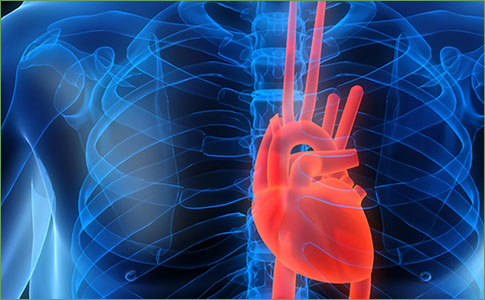
High blood pressure (HBP) is a serious condition that can lead to coronary heart disease, heart failure, stroke, kidney failure, and other health problems.
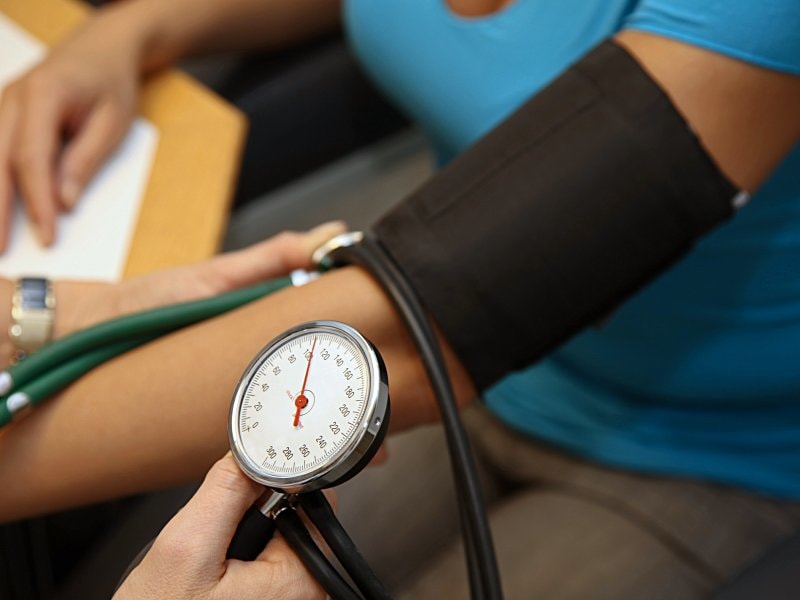
"Blood pressure" is the force of blood pushing against the walls of the arteries as the heart pumps blood. If this pressure rises and stays high over time, it can damage the body in many ways.
Overview
About 1 in 3 adults in the United States has HBP. The condition itself usually has no signs or symptoms. You can have it for years without knowing it. During this time, though, HBP can damage your heart, blood vessels, kidneys, and other parts of your body.
Knowing your blood pressure numbers is important, even when you're feeling fine. If your blood pressure is normal, you can work with your health care team to keep it that way. If your blood pressure is too high, treatment may help prevent damage to your body's organs.
Blood Pressure Numbers
Blood pressure is measured as systolic (sis-TOL-ik) and diastolic (di-ah-STOL-ik) pressures. "Systolic" refers to blood pressure when the heart beats while pumping blood. "Diastolic" refers to blood pressure when the heart is at rest between beats.
Hypertension
- Classification and Epidemiology
- Pathophysiology
- Diagnosis and Evaluation
L Measurement Issues
L Secondary Causes
L Target Organ Damage and Risk Factor Assessment - Treatment
L Results from Clinical Trials
L General Approach to Therapy and Monitoring
L Nonpharmacologic Treatment Modalities - Overview of Pharmacologic Treatments
L Diuretics
L Calcium Channel Antagonists
L β-Adrenergic Antagonists
L Angiotensin-Converting Enzyme (ACE) Inhibitors
L α1-Adrenergic Receptor Antagonists - Patient Adherence and Resistant Hypertension
- Special Clinical Situations
L Hypertensive Urgencies and Emergencies
L Hypertension in Long-Term Care Center Residents
You most often will see blood pressure numbers written with the systolic number above or before the diastolic number, such as 120/80 mmHg. (The mmHg is millimeters of mercury - the units used to measure blood pressure.)
Results from cross-sectional studies have shown that blood pressure, particularly systolic blood pressure (SBP), increases with increasing age. No age adjustment is made in setting the threshold value that defines high blood pressure. The classification of blood pressure outlined by the Joint National Committee on Detection, Evaluation, and Treatment of High Blood Pressure (JNC-VI), shown in Table 40.1, is the same for all adults irrespective of age. There were several minor modifications made in the JNC-VI revision of blood pressure classification that have major significance with respect to geriatric hypertension.
The former category of isolated systolic hypertension [i.e., SBP > 160 mmHg and diastolic blood pressure (DBP) < 90 mmHg] was removed. In addition, the conjunction linking the systolic and diastolic blood pressure columns that define each stage was changed from "and" to "or." As a consequence of this new approach to classification and because isolated diastolic hypertension is so uncommon in older individuals, the correct categorization of blood pressure among those above age 60 may be made by using the level of SBP alone in 99% of cases. Thus, the SBP level matters for the purposes of classification. Finally, as is discussed, treatment recommendations are stratified, based in large part on the classification strategy shown ... more » »
Secondary Hypertension


Approximately 5% of patients with hypertension have specific causes (Table 11-3). The history, examination, and routine laboratory tests may identify such patients. In particular, patients in whom hypertension develops at an early age, those who first exhibit hypertension when over age 50 years, or those previously well controlled who become refractory to treatment are more likely to have secondary hypertension. Causes include renal disease, genetic causes, renal vascular hypertension, primary hyperaldosteronism, Cushing's syndrome, pheochromocytoma, coarctation of the aorta (uncommon), hypertension associated with pregnancy, estrogen use, as well as other causes (eg, hypercalcemia and medications) ... more » »
The table below shows normal blood pressure numbers for adults. It also shows which numbers put you at greater risk for health problems.
Categories for Blood Pressure Levels in Adults (measured in millimeters of mercury, or mmHg)
| Category | Systolic (top number) |
Diastolic (bottom number) |
|
|---|---|---|---|
| Normal | Less than 120 | And | Less than 80 |
| Prehypertension | 120 - 139 | Or | 80 - 89 |
| High blood pressure | |||
| Stage 1 | 140 - 159 | Or | 90 - 99 |
| Stage 2 | 160 or higher | Or | 100 or higher |
The ranges in the table apply to most adults (aged 18 and older) who don't have short-term serious illnesses.
Systemic Hypertension - High Blood Pressure
- Introduction
L Prehypertension - Hypertension Etiology & Classification
L Primary (Essential) Hypertension
L Secondary Hypertension - Complications of Untreated Hypertension
- Hypertension symptoms and signs
- Goals of Hypertension Treatment
- Hypertension Nonpharmacologic Therapy
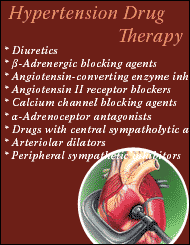
- Hypertension Drug Therapy
- Developing an Antihypertensive Regimen
- Special Considerations in the Treatment
- Hypertensive Urgencies & Emergencies
L Introduction
L Pharmacologic Management
Risk Factors for High Blood Pressure
Having certain medical conditions can increase your chances of developing high blood pressure. These conditions include
- Prehypertension.
- Diabetes.
Unhealthy behaviors can also increase your risk for high blood pressure, especially for people who have one of the medical conditions listed above. Unhealthy behaviors include
- Smoking tobacco.
- Eating foods high in sodium and low in potassium.
- Not getting enough physical activity.
- Being obese.
- Drinking too much alcohol.
Hypertension Etiology & Classification
- Primary (Essential) Hypertension
L Sympathetic nervous system hyperactivity
L Abnormal cardiovascular development
L Renin-angiotensin system activity
L Defect in natriuresis
L Intracellular sodium and calcium
L Exacerbating factors - Secondary Hypertension
L Renal disease
L Genetic causes
L Renal vascular hypertension
L Primary hyperaldosteronism
L Cushing's syndrome
L Pheochromocytoma
L Coarctation of the aorta
L Hypertension associated with pregnancy
L Estrogen use
L Other causes of secondary hypertension
Facts and figures
Nearly 2 out of 3 adults with high LDL cholesterol and about half of adults with high blood pressure don't have their condition under control.
About 70 million American adults (29%) have high blood pressure - that's 1 in every 3 adults.
Approximately 16 million people in the UK have high blood pressure.
High blood pressure was a primary or contributing cause of death for more than 360,000 Americans in 2013 - that's nearly 1,000 deaths each day
High blood pressure is the main risk factor for stroke and a major risk factor for heart attack, heart failure and kidney disease. There is also increasing evidence that it is a risk factor for vascular dementia.
High blood pressure is a level consistently at or above 140mmHg and/or 90mmHg.
30 per cent of women and 32 per cent of men have high blood pressure.
Up to the age of 64 there are higher rates of men with high blood pressure than women.
People with high blood pressure are three times more likely to develop heart disease and stroke and twice as likely to die from these as people with a normal blood pressure.
Approximately 62,000 unnecessary deaths from stroke and heart attacks occur due to poor blood pressure control
High blood pressure rarely has any symptoms, the only way for people to know if they have the condition is to have their blood pressure measured
Approximately one third of people with high blood pressure do not know that they have it.
More than 90 per cent of people with high blood pressure who are receiving treatment are not controlled to 140/90 mmHg.
Most people with high blood pressure who need to take medications, will need to take two or more to ensure that their blood pressure is lowered down to a target of 140/85mmHg
Among women, levels of high blood pressure increase as income decreases.
The risks increase as blood pressure rises, whether you have high blood pressure or a normal blood pressure - between the age of 40 and 70, for every rise of 20mmHg systolic or every 10mmHg diastolic the risk of heart disease and stroke doubles; for the range 115/75 up to 185/115mmHg.
About 70% of those with high blood pressure and took medication had their high blood pressure controlled. The control rate was 46.6% among all hypertensive patients.
25% of American adults have prehypertension-blood pressure numbers that are higher than normal, but not yet in the high blood pressure range.
Prehypertension raises your risk for high blood pressure.
Cardiovascular diseases kill more than 800,000 adults in the US each year. Of these, 150,000 are younger than age 65.
Bibliography
August P: Overview: mechanisms of hypertension: cells, hormones, and the kidney. J Am Soc Nephrol 2004;15:1971. [PMID: 15284282]
Bravo EL: Pheochromocytoma. Cardiol Rev 2002;10:44. [PMID: 11790269]
Failor RA et al: Hyperaldosteronism and pheochromocytoma: new tricks and tests. Prim Care 2003;30:801. [PMID: 15024897]
Freel EM et al: Mechanisms of hypertension: the expanding role of aldosterone. J Am Soc Nephrol 2004;15:1993. [PMID: 15284285]
Hartman RP et al: Evaluation of renal causes of hypertension. Radiol Clin North Am 2003;41:909. [PMID: 14521201]
Lifton RP et al: Molecular mechanisms of human hypertension. Cell 2001;104:545. [PMID: 11239411]
Loney EL et al: Renovascular hypertension. Q J Nucl Med 2002; 46:283. [PMID: 12411868]
Nordmann AJ et al: Balloon angioplasty versus medical therapy for hypertensive patients with renal artery obstruction. Cochrane Database Syst Rev 2003;(3):CD002944. [PMID: 12917937]
Nussberger J: Investigating mineralocorticoid hypertension. J Hypertens Suppl 2003;21(Suppl 2):S25. [PMID: 12929904]
Onusko E: Diagnosing secondary hypertension. Am Fam Physician 2003;67:67. [PMID: 12537168]
Oparil S et al: Pathogenesis of hypertension. Ann Intern Med 2003;139:761. [PMID: 14597461]
Radermacher J et al: Techniques for predicting a favourable response to renal angioplasty in patients with renovascular disease. Curr Opin Nephrol Hypertens 2001;10:799. [PMID: 11706308]
Reaven G: Insulin resistance, hypertension, and coronary heart disease. J Clin Hypertens 2003;5:269. [PMID: 12939567]
Safar ME et al: Vascular development, pulse pressure, and the mechanisms of hypertension. Hypertension 2005;46:205. [PMID: 15911744]
Stas SN et al: Pathogenesis of hypertension in diabetes. Rev Endocr Metab Disord 2004;5:221. [PMID: 15211093]
Strazzullo P et al: Altered renal handling of sodium in human hypertension: short review of the evidence. Hypertension 2003;41:1000. [PMID: 12668589]
Textor SC: Managing renal arterial disease and hypertension. Curr Opin Cardiol 2003;18:260. [PMID: 12858123]
Young WF Jr: Minireview: primary aldosteronism - changing concepts in diagnosis and treatment. Endocrinology 2003;144: 2208. [PMID: 12746276]