
Cancer Protective Effect of Fruits and Vegetables May Be Modest at Best
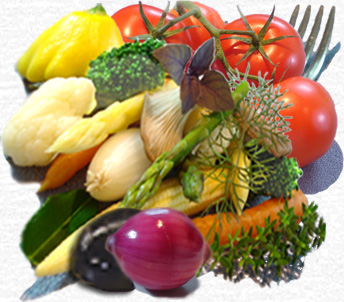
New research suggests there may be only a weak association between high fruit and vegetable intake and reduced overall cancer risk. (Credit: iStockphoto/Stephanie Horrocks)
It is widely believed that a diet rich in fruits and vegetables can reduce the risk of cancer. In 1990, the World Health Association recommended eating five servings of fruit and vegetables a day to prevent cancer and other diseases. But many studies since then have not been able to confirm a definitive association between fruit and vegetable intake and cancer risk.
To address the issue, Paolo Boffetta, M.D., M.P.H., of the Mount Sinai School of Medicine in New York, and colleagues analyzed data from the EPIC study (European Prospective Investigation into Cancer and Nutrition), which included 142,605 men and 335,873 women recruited for the study between 1992 and 2000.
The participants were from 23 centers in ten Western European countries-Denmark, France, Germany, Greece, Italy, the Netherlands, Norway, Spain, Sweden and the United Kingdom. Detailed information on their dietary habit and lifestyle variables was obtained. After a median follow-up of 8.7 years, over 30,000 participants were diagnosed with cancer.
The authors found a small inverse association between high intake of fruits and vegetables and reduced overall cancer risk. Vegetable consumption also afforded a modest benefit but was restricted to women. Heavy drinkers who ate many fruits and vegetables had a somewhat reduced risk, but only for cancers caused by smoking and alcohol.
 The authors caution against attributing any risk reduction to diet and they conclude that any cancer protective effect of these foods is likely to be modest, at best.
“In this population, a higher intake of fruits and vegetables was also associated with other lifestyle variables, such as lower intake of alcohol, never-smoking, short duration of tobacco smoking, and higher level of physical activity, which may have contributed to a lower cancer risk,” they write.
In an accompanying editorial, Walter C. Willett, M.D., Dr.P.H., of the Harvard School of Public Health, notes that “this study strongly confirms” the findings of other prospective studies that high intake of fruits and vegetables has little or no effect in reducing the incidence of cancer, although it has been shown to affect the risk of cardiovascular disease. He suggests that future research investigate the potential cancer-reducing benefits of specific fruits and vegetables and also study the effects of fruit and vegetable consumption at earlier periods of life.
Source: Adapted from materials provided by Journal of the National Cancer Institute, via EurekAlert!, a service of AAAS.