
Studies find gene links to world’s biggest killer
Scientists have found 13 new gene variants that increase a person’s risk of developing heart disease, the world’s number one killer, in a series of large-scale international genetic studies.
The discovery of 13 previously unknown gene variations and the confirmation of around 10 more should offer clues about how heart ailments such as coronary artery disease develop, and lead to new and more effective treatments, the researchers said.
The findings also suggest it may be worth mapping someone’s profile of genetic variants for heart problems as part of routine clinical care in the future, with an eye to being able to offer more personalized prevention or treatment plans.
“With such information we should be able to better identify people at high risk early on in life and quickly take the steps to neutralize that excess risk,” said Dr. Themistocles Assimes of Stanford University School of Medicine in the United States, one of many scientists across the world who worked on the study.
“Although we are inching closer to that day, we will probably need to reliably identify many more variants…over the next few years before it becomes useful to perform this genetic profiling in a doctor’s office.”
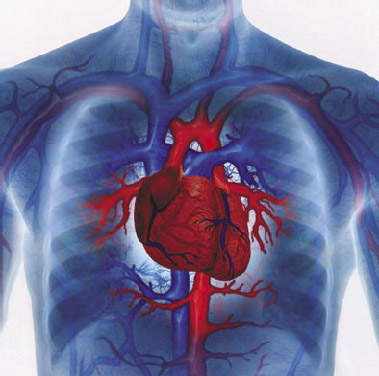 According to the World Health Organization (WHO), cardiovascular diseases are the world’s largest killers, claiming 17.1 million lives a year. Billions of dollars are spent every year on medical devices and drugs to treat them.
Lifestyle factors such as smoking, drinking alcohol, unhealthy eating and a lack of physical exercise are known to increase the risk of heart attacks and strokes, but scientists also have been examining DNA maps to find genes that may also put people at higher cardiovascular risk.
For this study, published along with two additional papers on heart disease risk variants in the journal Nature Genetics on Sunday, an international consortium analyzed data from 14 previous so-called genome-wide association studies, which scan people’s genetic profiles.
Investigators examined the complete genetic profiles of more than 22,000 people of European descent with coronary heart disease or a heart attack history and 60,000 healthy people - making this study close to 10 times bigger than the next largest whole-genome study to date.
Combining data from multiple studies is critical to finding gene risk variants, as the genetic architecture of heart diseases is very complex.
“The signals from these gene regions are all rather subtle, making large-scale collaborations a prerequisite for any meaningful progress,” Assimes said in a statement.
Researchers said their results showed that of the total of 23 variants now known, seven are linked with levels of “bad” or LDL cholesterol and one is linked with hypertension, or high blood pressure - both known risk factors for heart disease.
But the others have no relation to known cardiovascular risk factors - a finding the scientists said opened up new opportunities for future research and discovery.
“The lack of apparent association with the risk factors we know so well is the source of a lot of excitement concerning these results,” said Sekar Kathiresan of Massachusetts General Hospital in the United States, who worked on the study.
“If these variants do not act through known mechanisms, how do they confer risk for heart disease? It suggests there are new mechanisms we don’t yet understand.”
SOURCE: Nature Genetics, March 6, 2011.