
Study finds dangerous bacteria on cell phones of hospital patients
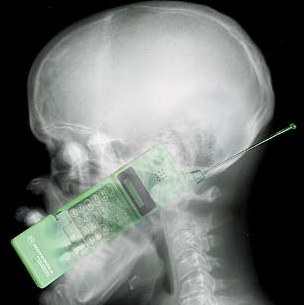
Cell phones used by patients and their visitors were twice as likely to contain potentially dangerous bacteria as those of healthcare workers (HCW), according to a study published in the June issue of the American Journal of Infection Control, the official publication of APIC - the Association for Professionals in Infection Control and Epidemiology.
A team of researchers from the Department of Medical Microbiology at Inonu University in Malatya, Turkey collected swab samples from three parts of cell phones - the keypad, microphone and ear piece. A total of 200 mobile phones (MPs) were cultured for the study, 67 of which belonged to medical employees and 133 to patients, patients’ companions and visitors. The researchers found that 39.6 percent of the patient group phones and 20.6 percent of HCW phones tested positive for pathogens. Additionally, seven patient phones contained multidrug resistant (MDR) pathogens such as methicillin-resistant Staphylococcus aureus (MRSA) and multiply resistant gram-negative organisms, while no HCW phones tested positive for MDR pathogens.
“The types of bacteria that were found on the patients’ MPs and their resistance patterns were very worrisome,” state the authors.
“Some investigators have reported that MPs of medical personnel may be a potential source of bacterial pathogens in the hospital setting. Our findings suggest that mobile phones of patients, patients’ companions and visitors represent higher risk for nosocomial pathogen colonization than those of HCWs. Specific infection control measures may be required for this threat.”
 Hospital-acquired infections affect more than 25 percent of admitted patients in developing countries. In U.S. hospitals, they cause 1.7 million infections a year and are associated with approximately 100,000 deaths. It is estimated that one third of these infections could be prevented by adhering to standard infection control guidelines.
###
Contact: Liz Garman
.(JavaScript must be enabled to view this email address)
202-454-2604
Elsevier Health Sciences