
For sleeping babies, softer isn’t safer
Lots of African American moms put soft bedding such as pillows and blankets where babies sleep, despite warnings that the cushioning increases the risk of infant death, according to a new study.
That’s because many parents are under the impression that a soft sleeping environment means the baby will be more comfortable or will be protected from injuries, said Dr. Rachel Moon.
“There’s this impression that soft is safe,” said Moon, one of the authors of the new study from Children’s National Medical Center in Washington, D.C.
“But when it comes to babies’ sleep environment, soft is not safe, it’s actually dangerous.”
Researchers know that black babies are at least twice as likely as white, Latino, and Asian babies to die of accidental suffocation, strangulation or sudden infant death syndrome (SIDS) - also known as “crib death.” While some of that higher incidence may be related to genetics, much of it is probably due to parents unknowingly putting infants in a dangerous sleeping place or position, Moon said.
To find out whether black families know about the risks, Moon and her colleagues conducted one-on-one interviews and small group discussions with 83 black mothers in D.C. and Maryland with a new baby at home.
 The researchers asked women if they used soft bedding and bumper pads in their baby’s crib or other sleeping location - and why or why not.
More than of half of the moms reported using soft bedding for their baby, according to findings published in Pediatrics. They told researchers they wanted to make sure the kids were comfortable and warm, or that they used pillows as a barricade on beds and sofas, or to prop babies up.
“We were surprised that people use (soft bedding) because they think it’s going to make their baby safer,” Moon told Reuters Health. “We weren’t that surprised that people use it to make the babies comfortable.”
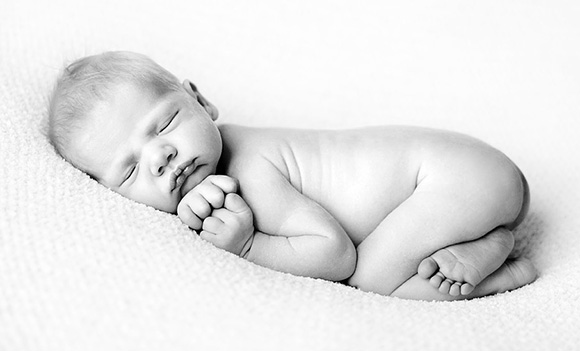 Some mothers thought doctors’ recommendations to use a “firm sleep surface” included a bed where a sheet was tucked tightly over pillows - but that’s still a dangerous sleep situation, the researchers warned.
Moms also used bumper pads on cribs if they worried that a baby would hit its head on the railings or get an arm or leg stuck. Some, the researchers found, also thought the bumper pads were cute.
But just like with pillows and blankets, bumper pads pose a suffocation risk to babies, Moon said. “There really isn’t any need for bumper pads,” especially for very young babies, she added.
SIDS - a sudden and unexplained infant death - kills about 2,500 babies each year in the U.S.
Putting babies to sleep on their sides or stomachs is known to increase the risk of SIDS, as is having them share mom and dad’s bed.
Dr. Fern Hauck, a SIDS researcher at the University of Virginia in Charlottesville, said she understood the desire to make babies comfortable with soft bedding in hopes that they’ll sleep better and longer.
But, “babies can pretty much sleep anywhere,” she told Reuters Health. “If you get them used to a firm crib mattress, they’re going to sleep fine on a firm crib mattress.”
She said that pediatricians have to talk to new parents about all SIDS and suffocation risks, and “really get a little more of a dialogue going” about the safest way for a baby to sleep. Grandparents, friends, and anyone else who would be taking care of the baby also need to have that conversation, Hauck added.
And it’s important to know that although the interviews were only done with black mothers, parents of all races may misinterpret a pediatrician’s recommendations or what constitutes a safe sleeping environment, said Dr. Debra Weese-Mayer, a pediatrician at Northwestern University Feinberg School of Medicine in Chicago.
The study “is a very humbling lesson that even though we think we’re giving a very clear message (about sleep surfaces), if the parent and the caretaker are interpreting it in a way different from what we intended, we’re not doing a very good job,” Weese-Mayer said.
“If it can save some babies because we do a better job of translating our recommendations, that’s wonderfully important.”
SOURCE: Pediatrics, online August 22, 2011.