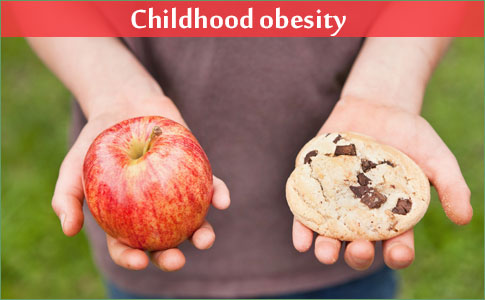
Pharmacological and surgical treatment of Childhood obesity
David Cohen, M.D.·Published 22 November 2010·7 min read
Key points
A Cochrane review109 identified ten randomised controlled trials of pharmacological treatments for obese children.
All authors participated in deciding content, reviewing evidence, and writing of this Seminar.
SYSK serves as a member of the Medical Advisory Board of the Aspartame Resource Center, from which she received no support for her research or her effort in this Seminar.
JCH receives research support from the Intramural Research Program of the Eunice Kennedy Shriver National Institute of Child Health and Human Development, and is a commissioned officer in the US Public Health Service, Department of Health and Human Services.
A Cochrane review109 identified ten randomised controlled trials of pharmacological treatments for obese children.
Most of these trials had small sample sizes (range 24-539 participants, with 60% including fewer than 30 participants), but most were high quality. With one exception, all the pharmacological treatment trials were in older children or adolescents (minimum age 12 years); the exception enrolled individuals aged 9-18 years. Trials meeting criteria for pooled meta-analysis included only two drugs: orlistat (a lipase inhibitor that prevents absorption of dietary fat from the gut) and sibutramine (an inhibitor of serotonin, norepinephrine, and dopamine reuptake).
The additional effect of orlistat compared with placebo when given in combination with a lifestyle intervention was a difference in BMI of -0·76 kg/m2 (95% CI -1·07 to -0·44) at 6 months. The additional effect of sibutramine compared with placebo when given in combination with a lifestyle intervention was a difference in BMI of -1·66 kg/m2 (95% CI -1·89 to -1·43) at 6 months. For long-term outcomes, there has been only one randomised trial of orlistat, which showed a change in BMI of -0·55 kg/m2 with orlistat versus 0·31 kg/m2 with placebo at 12 months (p=0·001),136 and only one randomised trial of sibutramine, in which investigators reported a change in BMI of -2·9 kg/m2 with sibutramine versus -0·3 kg/m2 with placebo at 12 months (p<0·001).137
Side-effects (reported as prevalence in excess of that reported for placebo) of orlistat were oily stool (42%), abdominal pain (11%), faecal incontinence (9%), and new cholelithiasis (2%).136 Side-effects of sibutramine were tachycardia (6%), dry mouth (5%), constipation (4%), dizziness (4%), insomnia (3%), and hypertension (2%).137 Thus, although evidence exists for slight effectiveness of orlistat and sibutramine when combined with lifestyle intervention, treatment with these drugs is associated with more adverse effects than is lifestyle intervention alone.
No randomised controlled trials of bariatric surgery have been done in children or adolescents.109 In a systematic review of observational studies reporting outcome data in patients aged 21 years or younger (range 9-21 years, mean 16·8 years) with a minimum follow-up of 12 months, investigators identified four studies of Roux-en-Y gastric bypass (a restrictive and malabsorptive procedure)138 and six of laparoscopic adjustable gastric banding (LAGB; a purely restrictive procedure) that met inclusion criteria for meta-analysis (figure 4).139
{embed="ref/stat-menu-childhood-obesity"}
Written and revised by
David Cohen, M.D.
Our doctors write and review articles for accuracy and keep them up to date.
health.am provides general information, not medical advice. Always consult a qualified health professional about your own health.
For gastric bypass, the 95% CI for change in BMI from baseline was -17·8 to -22·3 kg/m2 at 1-6·3 years, and for gastric banding, -13·7 to -10·6 kg/m2 at 1-3 years.139 Complications of gastric bypass were pulmonary embolism, shock, intestinal obstruction, postoperative bleeding, staple-line leak, and severe malnutrition;139 those of gastric banding were band slippage or erosion, micronutrient deficiency, port or tube dysfunction, hiatal hernia, wound infection, and pouch dilatation.139 Long-term prospective studies are needed to establish safety and efficacy of restrictive and malabsorptive procedures and to establish whether reductions in morbidity and mortality outweigh the risks of serious surgical complications and life-long nutritional deficiencies.
Large trials that are suficiently powered to examine long-term effects and that allow direct comparisons of non-pharmacological, pharmacological, and surgical treatments are needed. In view of the paucity of data, poor effectiveness, and unknown risks for long-term drug use, we recommend a conservative approachnamely, to use pharmacotherapy only in patients with BMI higher than the 95th percentile who have substantial medical complications of obesity and after a reasonable period of behavioural intervention. The risks of bariatric surgery are substantial, and long-term safety and effectiveness in children remain largely unknown.
Therefore, surgery should be reserved for only the most severely obese (BMI ≥50 kg/m2, or ≥40 kg/m2 with important comorbidities), and even then, considered with extreme caution.
Conclusion Much progress has been made in understanding of the genetics and physiology of appetite control and, from this, the elucidation of the causes of some very rare obesity syndromes. Much work remains to be done, however, since these rare disorders have so far taught us few lessons about how to prevent or reverse obesity in most children. No evidence-based, clinically meaningful definition of childhood obesity has been established.
Calorie intake and activity recommendations need to be reassessed and better quantified at a population level because of the modern sedentary lifestyles of children.
{pagebreak}
For individual treatment, the currently recommended calorie prescriptions might be too conservative in view of evolving insight into the energy gap. Quality of scientific reports needs to improve to allow comparisons between interventions and pooling of studies. Because obesity is a chronic disorder needing continuing management, long-term clinical trials are needed to show safety and efficacy of treatments, not only for a few months, but also during the crucial period of active growth and maturation. In children, safety of treatment needs to be examined as an equal outcome to efficacy.
Despite remaining challenges, glimmers of hope can be seen. Recent statistics suggest that prevalence of childhood obesity might be stabilising in developed countries. All past efforts made towards prevention and treatment of obesity, though not of notable individual effect in trials, might still have contributed collectively to this trend.108
The increased attention that has been directed to obesity by the media might have helped to raise public awareness of energy balance. Expansion of food-product availability and more informative food labelling by the private sector might have helped the consumer to make better choices.
We cannot wait to delineate the complex causal web of the obesity epidemic. Unravelling of even one thread might allow an important degree of prevention.140 Efforts to prevent obesity should continue at all levels, with the goal of an outcome that is greater than the sum of its parts.
{embed="ref/stat-menu-childhood-obesity"}
These efforts should be made in tandem with an increased commitment to more robust research. We expect that the next 10 years will be a time of new discoveries and collective societal actions that will help to eliminate this scourge of the new millennium.
Contributors
All authors participated in deciding content, reviewing evidence, and writing of this Seminar.
Conflicts of interest
SYSK serves as a member of the Medical Advisory Board of the Aspartame Resource Center, from which she received no support for her research or her effort in this Seminar. JCH and DAL declare that they have no conflicts of interest.
Acknowledgments
JCH receives research support from the Intramural Research Program of the Eunice Kennedy Shriver National Institute of Child Health and Human Development, and is a commissioned officer in the US Public Health Service, Department of Health and Human Services. The funding source had no direct role in writing of this Seminar. DAL receives funding from the US National Institutes of Health (R01 DK077659), UK Medical Research Council (G0600705 and G0801456), and National Institute for Health Research (RP-PG-0407-10044) for her work in the area of childhood obesity and determining causality from observational research. The opinions and assertions expressed in this report are those of the authors and are not to be construed as reflecting the views of the US Public Health Service or any other funding body.
###
Joan C Han, Debbie A Lawlor, Sue Y S Kimm
Lancet 2010; 375 - 1737-48 Published Online May 6, 2010 DOI - 10.1016/ S0140- 6736(10)60171-7
Unit on Growth and Obesity, Program on Developmental Endocrinology and Genetics, Eunice Kennedy Shriver National Institute of Child Health and Human Development, National Institutes of Health, DHHS, Bethesda, MD, USA (J C Han MD); MRC Centre for Causal Analyses in Translational Epidemiology, Department of Social Medicine, University of Bristol, Bristol, UK (Prof D A Lawlor PhD); and Department of Internal Medicine/Epidemiology, University of New Mexico School of Medicine, Albuquerque, NM, USA (S Y S Kimm MD)
Correspondence to - Dr Sue Y S Kimm, University of New Mexico Health Sciences Center, Department of Internal Medicine/Epidemiology, University of New Mexico, MSC 10 5550 Albuquerque, NM 87131-0001, USA [email protected]
###
REFERENCES
Ebbeling CB, Pawlak DB, Ludwig DS. Childhood obesity: public-health crisis, common sense cure. Lancet 2002; 360: 473-82.
Wang Y, Lobstein T. Worldwide trends in childhood overweight and obesity. Int J Pediatr Obes 2006; 1: 11-25.
Ogden CL, Carroll MD, Flegal KM. High body mass index for age among US children and adolescents, 2003-2006. JAMA 2008; 299: 2401-05.
Kipping RR, Jago R, Lawlor DA. Obesity in children. Part 1: epidemiology, measurement, risk factors, and screening. BMJ 2008; 337: a1824.
Sundblom E, Petzold M, Rasmussen F, Callmer E, Lissner L. Childhood overweight and obesity prevalences levelling off in Stockholm but socioeconomic differences persist. Int J Obes (Lond) 2008; 32: 1525-30.
Cole TJ, Bellizzi MC, Flegal KM, Dietz WH. Establishing a standard definition for child overweight and obesity worldwide: international survey. BMJ 2000; 320: 1240-43.

 News
 News
 News