
Turning 'Bad' Fat Into 'Good': a Future Treatment for Obesity?
Key points
- By knocking down the expression of a protein in rat brains known to stimulate eating, Johns Hopkins researchers say they not only reduced the animals’ calorie intake and weight, but also transformed their fat into a type that burns off more energy.
- More than two-thirds of adults in the United States are overweight, and more than one-third are obese, according to government estimates.
- The Johns Hopkins study, published in the journal Cell Metabolism, looks at two types of fat made by the body: white and brown adipose tissue.
- Cells in brown fat, considered a “good fat” for its energy-burning qualities, contain many little droplets of lipid, each with its own power source, which enables heat generation.
By knocking down the expression of a protein in rat brains known to stimulate eating, Johns Hopkins researchers say they not only reduced the animals’ calorie intake and weight, but also transformed their fat into a type that burns off more energy. The finding could lead to better obesity treatments for humans, the scientists report.
"If we could get the human body to turn 'bad fat' into 'good fat' that burns calories instead of storing them, we could add a serious new tool to tackle the obesity epidemic in the United States," says study leader Sheng Bi, M.D., an associate professor of psychiatry and behavioral sciences at the Johns Hopkins University School of Medicine.
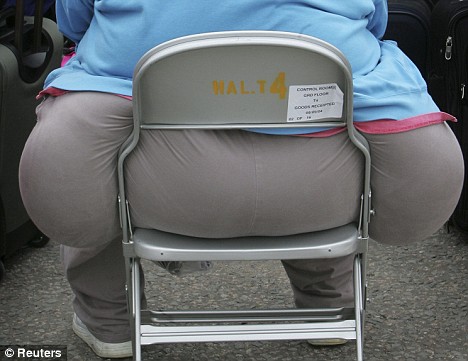
More than two-thirds of adults in the United States are overweight, and more than one-third are obese, according to government estimates.
The Johns Hopkins study, published in the journal Cell Metabolism, looks at two types of fat made by the body: white and brown adipose tissue. White fat is the typical fat that ends up around your middle and other places, and is the storehouse for the extra calories we eat. White fat cells have a single large droplet of lipid, one of fat’s building blocks, such as cholesterol and triglycerides.
Cells in brown fat, considered a “good fat” for its energy-burning qualities, contain many little droplets of lipid, each with its own power source, which enables heat generation. Babies have ample stores of brown fat at birth as a defense against the cold, but it mostly disappears, as adults have very little of this calorie-burning tissue.
Bi and his colleagues designed an experiment to see if suppressing the appetite-stimulating neuropeptide Y (NPY) protein in the dorsomedial hypothalamus of the brain would decrease body fat in rats. Located just above the brain stem, the hypothalamus helps regulate thirst, hunger, body temperature, water balance and blood pressure.
For five weeks, two groups of rats were fed a regular diet, with one group also treated with a virus to inhibit NPY expression and the other left as a control group. At the end of five weeks, the treated group weighed less than the control group, demonstrating that suppression of NPY reduced eating.
Then, researchers split each of the groups into two, creating four sets of rats. One of the treated groups of rats and one of the control groups were fed a regular diet while the other treated and control groups got a high-fat diet. Of the rats on the regular diet, the control group weighed more at the end of 11 weeks than those rats in which hypothalamic NPY expression was knocked down. In the high-fat group, the control group rats became obese; those rats in which NPY expression was silenced gained less weight.

Bi says the results “made sense,” given that NPY has been shown to stimulate eating. The less NPY, the less the rats would eat, his team hypothesized. What was a surprise, however, was what they found after they checked the fat content of rats after death. In the groin area of the NPY rats, researchers discovered not the expected white fat found in adult rats, but the telltale signs of brown fat in its place. They confirmed this change by looking at levels of mitochondrial uncoupling protein-1, or UCP-1, through which brown fat burns to produce heat. They used this protein as a marker to determine that the fat that should have been white was instead brown.
Written and revised by
Gerald Hurowitz, M.D.
Our doctors write and review articles for accuracy and keep them up to date.
health.am provides general information, not medical advice. Always consult a qualified health professional about your own health.
Explore health topics
More in this topic
Weight & Nutrition → Guide
What is the role of Surgery in the treatment of obesity?
The National Institute of Health consensus has suggested the following guidelines for surgery in obese patients: Patients with a BMI of greater than 40. Patients with a BMI of greater than 35 who have serious medical…
5 November 2004
 Guide
What is the role of diet in the treatment of obesity?
The first goal of dieting is to stop further weight gain. The next goal is to establish realistic weight loss goals. While the ideal weight is a BMI of 20-25, this is difficult to achieve for many people. Thus success…
5 November 2004
 News
Midlife obesity predicts future stroke risk in men
A high body mass index (BMI) in middle-aged men is associated with an increased likelihood of having a stroke over the next two or three decades - even after taking into account other risk factors such as high blood…



