Andrey Nailor, M.D.·Published 21 January 2010·21 min read
Key points
For primary care physicians, obesity is one of the most challenging problems confronted in office practice.
Many different diets have been advocated for weight loss, but there is little scientific evidence to recommend one diet over another.
The role of medications in weight loss is controversial, and their effectiveness appears to be limited.
Phentermine, benzphetamine, and phendimetrazine are FDA approved for short-term use (12 weeks) for weight loss.
For primary care physicians, obesity is one of the most challenging problems confronted in office practice. The disorder is increasing in prevalence despite the efforts of both patients and physicians. Treatment requires a multimodality approach that addresses diet, physical activity, and behavioral issues. Medication and surgical approaches may be appropriate as well. This review outlines the evidence for each approach, suggests how primary care physicians can best help obese patients, and provides practical tips for weight loss.
Obesity is a rapidly growing epidemic worldwide, and it increases the risk of morbidity and mortality. In the United States, obesity may be responsible for as many as 300,000 deaths per year, although this figure is controversial. Direct medical costs in the United States (1999) are estimated to be $70 billion annually. Despite the expenditure of billions of dollars in weight-loss products, the epidemic is getting worse.
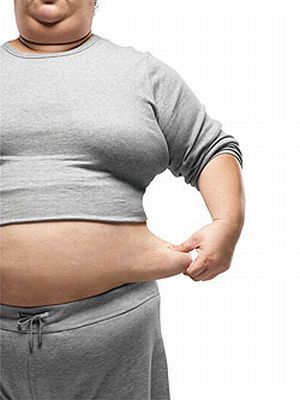
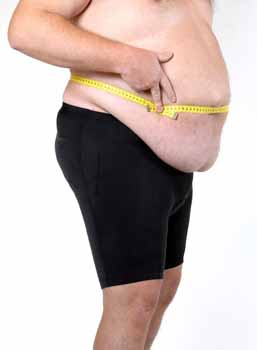
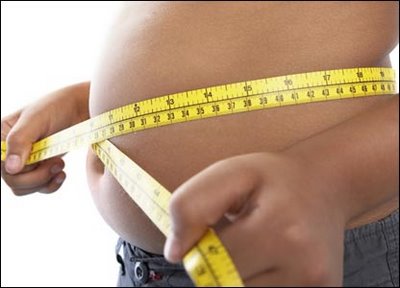
The most common definition of obesity is a body mass index (BMI) (calculated as weight in kilograms divided by the square of height in meters) of 30 kg/m2 or greater. Overweight is defined as a BMI between 25.0 and 29.9 kg/m2, and extreme obesity is defined as a BMI of 40 kg/m2 or greater. Approximately one third of Americans are overweight, one third are obese, and 4.5% have extreme obesity. Unfortunately, physicians often do not formally diagnose obesity when it exists (Bardia A, Holtan SG, Slezak JM, Thompson WG, unpublished data, 2006). Assessment of patients for obesity can be facilitated by having office staff enter the BMI into the patient's record after measuring height and weight. Measuring waist and hip circumference should also be considered because these parameters affect outcome independent of the BMI. Physician diagnosis of obesity is important because a management plan is more likely to be formulated than when no diagnosis is made. This review focuses on optimizing that management plan.
Weight loss requires a sustained negative energy balance: energy output must exceed energy intake. We recommend a 2092-kJ (500-kcal) daily deficit, which can be expected to lead to a weight loss of 0.45 kg per week. Although it is theoretically possible to achieve this amount of weight loss through either reduced energy intake or increased energy output, a 2092-kJ daily deficit is best achieved and sustained by a combination of the two. This review focuses first on strategies for reducing energy intake (diets, drugs, and bariatric surgery), then discusses strategies for increasing energy output (exercise and nonexercise movement), and concludes with guidelines for how primary care physicians can help their obese patients successfully change their energy intake and physical activity level.
DIETS
Many different diets have been advocated for weight loss, but there is little scientific evidence to recommend one diet over another. Dansinger et al compared 4 approaches, the Atkins (low carbohydrate), Zone (high protein, low carbohydrate), Ornish (very low fat), and Weight Watchers diets, and found no significant difference in weight loss at 1 year. Other studies have shown greater weight loss at 3 months with low-carbohydrate than with other diets but no significant difference at 1 year. While some small studies of low-glycemic index diets have shown a benefit others have found little effect beyond that of energy restriction. A high-protein diet may facilitate weight loss, but more and larger studies are needed to confirm this hypothesis. Calcium and dairy products have also been postulated to facilitate weight loss, but to date most randomized trials have not confirmed this theory.
Written and revised by
Andrey Nailor, M.D.
Our doctors write and review articles for accuracy and keep them up to date.
health.am provides general information, not medical advice. Always consult a qualified health professional about your own health.
One strategy for reducing energy intake is to reduce fat content. The Women's Health Initiative Randomized Controlled Dietary Modification Trial randomized 19,541 women to a low-fat diet with increased amounts of fruits, vegetables, and whole grains and 29,294 women to a control diet. The study found a significant correlation between dietary fat reduction with increased fruit and vegetable consumption and weight loss. Further evidence for a reduced-fat approach comes from the National Weight Control Registry, a self-report registry of subjects who have lost at least 13.6 kg and maintained that loss for 1 to 5 years. These subjects reported that only 25% of their total energy intake came from fat, which is considerably lower than the national average of 37%. However, fat restriction without energy reduction will not result in weight loss.
Reducing fat in the diet reduces the energy density of the diet. Energy density is the ratio of energy provided (calories) by a food to its weight. Foods with low energy density such as fruits and vegetables provide considerable bulk with minimal energy intake (filling but not fattening). Thus, a pound (0.45 kg) of carrots, which have low energy density, has the same amount of energy value (calories) as an ounce (28 g) of peanuts, which have high energy density. A crossover study compared the effect of reducing portion size with the effect of reducing energy density on energy intake. When portion size was reduced by 25%, energy intake declined by 10%, but when energy density was reduced by 25%, energy intake declined by more than 20%. The group randomized to a diet of foods with reduced energy density consumed more food but less energy than the group whose diet consisted of reduced portion size. The subjects' ratings of hunger and taste did not vary across the comparisons. Although more investigation is needed, there is some evidence that increasing the amount of low-energy density foods in the diet is effective for long-term weight management as well.
In summary, long-term weight loss and weight maintenance require a reduction in energy intake. We believe this is best achieved by a combination of reducing total fat intake, reducing portion size, reducing energy density, and increasing fruit and vegetable intake. However, in the absence of behavior modification and continued input from health professionals, diets are ineffective in the long term. Counseling patients regarding behavior modification that will successfully reduce fat and energy intake is addressed subsequently in this article.
DRUGS
The role of medications in weight loss is controversial, and their effectiveness appears to be limited. First, the amount of weight lost with use of drugs is small (as discussed subsequently). Second, the long-term safety of weight-loss drugs is not established, and the occurrence of adverse effects (such as the cardiac valve abnormalities associated with fenfluramine) suggests that this is an important consideration. Finally, when weight-loss drugs are discontinued, weight is regained. Because no weight-loss drug has been approved by the Food and Drug Administration (FDA) for use for more than 2 years, drugs represent a short-term solution to a long-term problem with only modest benefit and with unclear risk. The decision to prescribe medication hinges on whether the patient will become more or less motivated to make the long-term changes in eating and activity that are necessary to lose weight and keep it off. Until safety data are available, physicians should refrain from prescribing medications for weight loss for durations longer than those approved by the FDA.
Appetite Suppressants
Phentermine, benzphetamine, and phendimetrazine are FDA approved for short-term use (12 weeks) for weight loss. Meta-analysis suggests a short-term weight loss of 3.5 kg with phentermine, but no long-term data are available. Until long-term studies demonstrate the effectiveness and safety of these drugs, they are best avoided.
Sibutramine is a norepinephrine and serotonin reuptake inhibitor that is thought to lead to reduced food intake. In a meta-analysis of 29 trials, sibutramine use resulted in a weight loss of 4.5 kg at 1 year. A more recent study found that sibutramine use alone resulted in a weight loss of 5 kg at 1 year compared with 6.7 kg with lifestyle modification alone and 12.1 kg with sibutramine plus lifestyle modification. Blood pressure and heart rate increase modestly with sibutramine use and should be monitored. Palpitations may also occur. Sibutramine should not be used by patients with cardiovascular disease, heart failure, or arrhythmias or by patients taking selective serotonin reuptake inhibitors or monoamine oxidase inhibitors. No studies lasting longer than 2 years have been reported, and sibutramine is approved by the FDA for 1-year use.
Topiramate and rimonabant are associated with weight loss but are not yet approved by the FDA for this purpose. Topiramate, which modulates γ-aminobutyric acid receptors, was associated with a 6% weight loss in a meta-analysis (24-week data with several studies reported in abstract form) but was also associated with a significant incidence of adverse central nervous system effects (especially paresthesias and loss of taste). Rimonabant is a cannabinoid-1 receptor blocker not yet approved for use in the United States. Two large randomized trials have demonstrated efficacy, reporting a 6-kg weight loss at 1 year. Because both studies had a considerable number of dropouts, the reported weight loss may be optimistic. The incidence of psychiatric problems (depression and anxiety) in the patients taking rimonabant was significantly higher (approximately double) than that seen in the placebo groups, a finding that warrants further investigation.
Impairment of Energy Absorption
Orlistat prevents absorption of a portion of the energy fraction from ingested fats. Many randomized trials of orlistat have been conducted, and most have shown greater weight loss with orlistat than with placebo. However, meta-analysis suggests that the mean weight loss is only 2.89 kg. When patients are switched from a weight-loss to a weight-maintenance diet, they regain less weight if they continue orlistat than if they switch to placebo. The studies in the meta-analysis showed a reduction in low-density lipoprotein cholesterol, glucose, insulin, and hemoglobin A1c (in diabetics) with orlistat, which occurred both as a result of weight loss and independent of weight loss (probably because the orlistat group absorbed less fat). Orlistat improves glucose tolerance and reduces the rate of progression to impaired glucose tolerance and diabetes. Orlistat improves alanine transaminase levels and steatosis in patients with nonalcoholic fatty liver disease independent of weight loss. Gastrointestinal adverse effects such as diarrhea and oily stool are common (especially if the diet is high in fat) but usually subside with time, and serious adverse events appear to be rare. Orlistat costs more than $100 a month and may not be covered by insurance. It is best suited for patients who can comply with a low-fat diet, are at high risk of developing diabetes, and can afford the medication. The longest published study of orlistat use is 4 years, and the drug is FDA approved for 2-year use. Approval for over-the-counter formulations (half dose) is expected soon.
Combination Therapy
Combined treatment with multiple weight-loss drugs has received little evaluation to date and cannot be recommended at this time. One study that combined orlistat and sibutramine showed no greater weight loss with the combination regimen than with sibutramine alone.
{pagebreak}
BARIATRIC SURGERY
Bariatric surgery rates have increased substantially, but this procedure may still be underused. Although no long-term randomized trials have been conducted, bariatric surgery is the only treatment that has been reported to result in substantial 10-year weight loss. Bariatric surgery results in long-term reduction in energy intake and is associated with increased physical activity. Furthermore, morbidity from obesity can be altered substantially by bariatric surgery. In a recent systematic review and meta-analysis, Buchwald et al reported that diabetes, hyperlipidemia, hypertension, and obstructive sleep apnea resolved or improved in more than half of the patients who had these conditions preoperatively. Surgery has not been proved to reduce mortality; long-term randomized trials are not yet available to answer this question.
Mortality rates associated with bariatric surgery are low and vary by type of procedure and surgical experience.
Mortality is estimated to be 0.1% for gastric banding, 0.5% for gastric bypass, and 1.1% for biliopancreatic diversion or duodenal switch procedures. Excess weight loss (excess weight = total body weight - ideal body weight) is 47.5% with gastric banding, 61.6% with gastric bypass, and 70.1% with biliopancreatic diversion or duodenal switch procedures. The surgical team and the patient should balance the risks and benefits of these various techniques when selecting the appropriate operation. Both greater surgeon and center experience are associated with reduced mortality and fewer complications. Complications after bariatric surgery are common, and as many as 20% of patients are rehospitalized during the first postoperative year. Short-term complications include wound infection, anastomosis ulceration, stomal stenosis, and constipation, while long-term adverse effects include excessively severe dumping syndrome, nutritional deficiencies, and cholecystitis. When feasible, laparoscopic gastric bypass appears to be more cost-effective than open gastric bypass. Although the initial procedure and treatment of subsequent complications are expensive, medication costs decrease considerably after bariatric surgery, and several investigators have concluded that it is a cost-effective procedure.
Table 1 lists criteria for bariatric surgery. Patients with extreme obesity (BMI, ≥40 kg/m2) and recently diagnosed complications of obesity such as diabetes, metabolic syndrome, and obstructive sleep apnea are particularly good surgical candidates. We recommend a thorough preoperative evaluation by a multispecialty team including nutritionists, psychologists, and surgeons. A detailed preoperative psychological evaluation is necessary because depression is an important potential barrier to sustaining weight loss. Binge-eating disorder should be identified and treated. With good psychosocial support, surgery has been successful in patients with binge-eating disorder. Patients should be educated regarding (1) what to expect from surgery (it typically produces a transition from extreme obesity to mild obesity but rarely results in losses sufficient to attain normal weight), (2) the potential complications of bariatric surgery, (3) postoperative medical therapy (many patients are treated with ursodiol to prevent gallstones, iron supplements, and vitamins to prevent nutritional deficiencies), and (4) the cost of the procedure ($35,000), which is not always covered by insurance. The preoperative evaluation and education process can be expected to take at least 3 to 6 months.
EXERCISE
Physical Activity
Most studies have demonstrated no or modest weight loss with exercise alone (2 kg) or with exercise added to diet (3 kg).50,51 However, 2 studies of longer-duration exercise (90-120 minutes daily) combined with constant energy intake showed weight losses of 7 to 8 kg. The amount of time spent exercising appears to be more important than exercise intensity.
Evidence from randomized trials regarding the importance of exercise in weight maintenance is sparse. However, observational studies suggest that it is crucial. Many prospective studies have demonstrated that regular vigorous physical activity is associated with less weight gain over time in both children and adults and in both men and women. In the National Weight Control Registry of more than 3000 subjects who had maintained an average weight loss of 30 kg for more than 5 years, Wing and Hill found that only 9% did not exercise regularly. The average person in this registry exercised an hour a day. Most walked briskly for exercise (only about 10% ran), and 20% lifted weights. Although resistance training does not help with weight loss, when added to diet and aerobic exercise, it does increase the amount of fat loss. Behavioral psychologists believe that physical activity is the single best predictor of long-term weight maintenance. Therefore, patients should have realistic expectations and avoid becoming discouraged when they exercise; an exercise regimen that is plausible for most patients (30-60 minutes 5-7 days per week) is critical to long-term weight maintenance but is unlikely to result in short-term weight loss beyond what is achieved with dietary change.
Nonexercise Activity Thermogenesis
Energy expenditure consists of resting metabolic rate, the thermic effect of food, and activity thermogenesis, which can be divided into formal exercise and nonexercise activity thermogenesis (NEAT). NEAT comprises all energy expenditure except that used during sleeping, eating, and formal exercise. The dramatic decline in NEAT during the past 100 years corresponds with a similarly dramatic increase in obesity. Automobiles, television, mechanical aids for household chores, and changing workplace environments have reduced energy expenditure by 2092 to 4184 kJ (500-1000 kcal) daily. Another illustration of the impact of NEAT is that theoretically, spending 2 minutes an hour sending e-mail rather than 2 minutes walking down the hall to speak to a colleague results in a 5-kg weight gain in 10 years.
Obesity has a strong genetic component. Although it is widely believed that genetic differences in resting metabolic rate account for this genetic component, resting metabolic rate does not seem to correlate with obesity. However, genetic differences in NEAT have been documented. In a study of twins who were overfed by 4184 J/d, greater variation in weight gain was observed among twin pairs than within twin pairs, which could not be explained by genetic differences in resting metabolic rate or thermic effect of food. Furthermore, while weight regain is often attributed to a decline in resting metabolic rate, it is better explained by differences in activity level.
The importance of NEAT has been demonstrated in several studies. A study of 16 subjects who were overfed by 4184 J/d and were not allowed to engage in formal exercise noted significant differences in weight and fat gain, with NEAT explaining about two thirds of the variation. The subjects who exhibited greater increases in spontaneous activity such as walking, fidgeting, and standing gained less weight. A subsequent study demonstrated that sitting motionless, fidgeting while sitting, and walking 1 mile per hour (mph) increased the metabolic rate by 4%, 54%, and 154%, respectively, compared with measurements obtained with the subjects lying down. The difference in energy expended in 1 hour while sitting or walking at 1 mph is about 418.4 kJ/h (100 kcal/h). Finally, a study comparing nonexercising subjects who were thin with nonexercising subjects who were obese demonstrated that the thin subjects were on their feet for at least 2 hours longer each day than the obese subjects. This translates into an energy expenditure difference of 1464.4 kJ/d (350 kcal/d). No randomized trials specifically designed to test the effect of increasing NEAT on weight loss have been conducted.
Tips for increasing NEAT include walking while speaking on the phone, using the stairs rather than the elevator, parking farther from the entrance in parking lots, and walking while watching television or reading. Although having a treadmill at one's desk sounds far-fetched, typing or using a computer while walking at 1 mph is easy. Given that obesity results in more health care costs than smoking, corporations may want to consider this as an option for their employees.
{pagebreak}
FACILITATING BEHAVIOR CHANGE
Changing patients' long-term behavior to increase energy expenditure and decrease energy intake is one of the biggest challenges facing primary care physicians. Other health care professionals can be of great assistance in this effort. Dietitians can help patients reduce energy intake by providing instruction on portion size, energy values of foods, and menu planning. Exercise therapists and trainers can tailor exercise programs to the patient and encourage long-term compliance. Behavioral therapists can help actualize the principles discussed subsequently in this article. Principles drawn from behavioral psychology can help primary care professionals counsel their patients more effectively.
Behavior change requires the ability to self-regulate. A series of studies has demonstrated that this ability is limited. Resisting temptation makes it harder to resist temptation a second time, as does performing complex cognitive tasks, dealing with difficult emotional situations, and suppressing thoughts and emotions. Conversely, exercise and sleep enhance self-regulatory ability (indeed, self-regulatory ability declines during the course of a normal day). Thus, the correlation of obesity with chronic sleep deprivation is not surprising.
A common misconception among patients and clinicians is that weight loss is simply a matter of willpower. Many obese patients regard themselves as failures (no will-power), but sound data indicate that the ability to delay gratification involves more than willpower. Rather than thinking of resisting temptation as willpower, it should be considered a matter of managing where one focuses one's attention. Mischel et al conducted a series of experiments in children spanning more than 30 years. On the basis of this research, they suggest 3 strategies for managing one's attention: avoidance, distraction, and reframing. Young children given a reward for delayed gratification are best able to avoid giving in prematurely when the reward is not visible (avoidance). When the reward is visible, distraction (such as singing a song) is much more effective than focusing on the reward. Another effective technique is to reframe the meaning of the stimulus (eg, shifting attention from a tempting aspect of the stimulus to its long-term consequences). Many obese patients break their diet regimen just before dinner or before bedtime. By using distractions such as going for a walk before dinner or working on an interesting hobby before bedtime, patients may avoid dietary indiscretions. Focusing on the temptation and trying to fight it ("I won't have that donut!") is ineffective. Similarly, telling someone not to think about something often makes the situation worse.
A recent systematic review showed that behavioral therapy facilitated weight loss in comparison to placebo (2.5 kg) and when added to diet and exercise (5 kg). Successful aspects of behavioral therapy include self-monitoring, environmental modification, self-efficacy, and social support.
Self-monitoring
An important component of behavior change is self-monitoring of that behavior. Several studies have documented impressive weight loss in patients who monitor their energy intake carefully. The difference in weight loss attained by patients who monitor their energy intake and those who do not can be 10 kg or more. Programs for handheld calculating devices make the process of self-monitoring less time-consuming and offer the potential to facilitate weight loss.
Environmental Modification
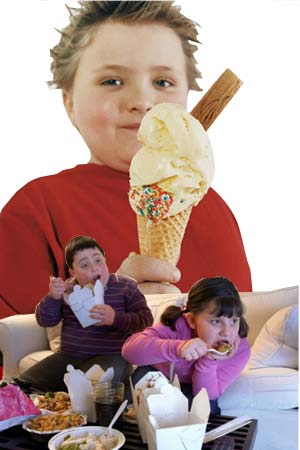
Modifying the Physical Environment. Tips for modifying the physical environment are shown in Table 2. Patients should ensure that high-calorie foods that tempt them to eat too much are not readily available. Resisting temptation for an hour a week in the grocery store is much easier than ignoring the ice cream sitting in one's freezer all week long. Patients who have a tendency to binge on a certain food (eg, chips) should avoid that particular food altogether. Increasing evidence suggests that increased consumption of fast food is partially responsible for the current obesity epidemic. Borushek reported that converting a medium-sized value meal to a supersized meal at McDonald's costs 64 cents and 1512 extra calories (6326.2 J). Supersized meals have since been phased out, but a Big Mac, large order of fries, and 16-oz (448-g) milk shake have a combined energy value of 7112.8 J (1700 kcal), a day's worth of energy intake in 1 meal.
Modifying Thinking Patterns. Part of modifying the cognitive environment involves developing short-term goals that are specific, reasonable, and proximate. "I will walk 20 minutes 5 days a week for the next 2 weeks" is a specific, reasonable, and proximate goal. These goals should be viewed as something to be learned rather than something to be performed. In this way, lack of success indicates that more learning is necessary rather than denoting failure. One should specify when, where, and how goals will be achieved. For example, "I will arise 30 minutes earlier to walk 2 miles in my neighborhood every morning 5 days a week [specify days], and I will record my walking on a chart that will be posted on my refrigerator in the kitchen." Potential obstacles to goal achievement should be considered, followed by the development of "if-then" scenarios—"If obstacle x arises, then I will do y." For example, dining at a restaurant can be an obstacle to healthy eating. Planning to share a meal, asking that foods be grilled rather than fried, having sauces and salad dressings served on the side, and skipping dessert are healthy ways to respond to this circumstance. Planning in this fashion increases the likelihood that effective behaviors will become automatic (part of the patient's new lifestyle) so that one does not have to expend energy resisting temptation.
Self-efficacy
Bandura has shown the importance of self-efficacy in altering behavior. Self-efficacy is crucial to changing eating and exercising behavior. Although counseling patients to lose weight can be discouraging, an optimistic and positive approach is important because patients who feel positive about themselves are more willing to work on their perceived weaknesses and are more likely to be successful.
Social Support
Both family and social support have been shown to enhance exercise patterns and facilitate weight loss. For example, a patient might explain to his or her family why it is necessary to have only healthy foods in the home. Finding a partner to walk with can increase activity and weight loss, and a confidant can provide support on challenging days. People eat more in groups because they are strongly and unconsciously influenced by how much others around them eat. Several studies have demonstrated that ongoing contact between the patient and the practitioner results in less weight regain. When feasible, follow-up with dietitians, trainers, and behavioral therapists is also helpful. The optimal frequency of follow-up varies according to patient characteristics and the availability of other team members. Patients should be cautioned to avoid unduly optimistic expectations about weight loss because they can undermine continuing behavior changes.
{pagebreak}
PUTTING IT ALL TOGETHER
Combining the weight-loss strategies discussed herein is more likely to produce success than use of any single strategy alone. The LEARN program, a self-help system designed for use in health care settings, combines many of the modalities discussed in this article and can get patients started in the right direction. Table 2 provides a similarly helpful summary of behavioral techniques for weight loss, and readers are encouraged to give a photocopy of this table to their patients. Behavioral research indicates several predictors for weight maintenance: consistent physical activity, development of strategies to prevent relapse, frequent follow-up with health care professionals, and social support, all of which overlap with strategies for weight loss. As noted previously, physical activity is the single best predictor of weight maintenance. Patients should have a planned structured exercise regimen and adopt strategies to increase NEAT. Identifying triggers for relapse and developing strategies for dealing with those triggers are important skills ("if-then" scenarios). One such trigger for relapse is when dieters believe they have exceeded their energy intake for the day. Studies show that this often leads to disinhibited eating with marked increases in energy intake. Patients should be advised not to let one mistake trigger a cascade of mistakes. Excessive alcohol consumption reduces the ability to resist temptation and is often a factor in failure to maintain behavior. Patients should be advised to use the strategy of avoiding alcohol in high-risk eating situations.
People who have lost weight and maintained that loss for years have found that it gets easier with time. They succeed by consuming less fat and exercising 60 minutes or more daily. The strategies outlined in this review cannot be implemented in a single office visit. Both patients and physicians should view the treatment of obesity as a long-term process requiring the implementation of strategies and solutions over time. The primary care clinician has no more daunting challenge than helping a patient lose and maintain weight. However, few aspects of medical practice are more rewarding than seeing a patient succeed at losing weight, maintain that weight loss, and thus enjoy greater quality of life.
1. Warren G. Thompson, MD, 2. David A. Cook, MD, 3. Matthew M. Clark, PhD, 4. Aditya Bardia, MD, MPH and 5. James A. Levine, MD, PhD doi: 10.4065/82.1.93 Mayo Clinic Proceedings January 2007 vol. 82 no. 1 93-102
REFERENCES
Allison DB, Fontaine KR, Manson JE, Stevens J, VanItallie TB. Annual deaths attributable to obesity in the United States. JAMA. 1999;282:1530-1538. Flegal KM, Graubard BI, Williamson DF, Gail MH. Excess deaths associated with underweight, overweight, and obesity. JAMA. 2005;293:1861-1867. Colditz GA. Economic costs of obesity and inactivity. Med Sci Sports Exerc. 1999;31(11, suppl):S663-S667. Ogden CL, Carroll MD, Curtin LR, McDowell MA, Tabak CJ, Flegal KM. Prevalence of overweight and obesity in the United States, 1999-2004. JAMA. 2006;295:1549-1555. Stafford RS, Radley DC. National trends in antiobesity medication use. Arch Intern Med. 2003;163:1046-1050. Ruser CB, Sanders L, Brescia GR et al. Identification and management of overweight and obesity by internal medicine residents. J Gen Intern Med. 2005;20:1139-1141. Yusuf S, Hawken S, Ounpuu S, et al.,INTERHEART Study Investigators. Obesity and the risk of myocardial infarction in 27,000 participants from 52 countries: a case-control study. Lancet. 2005;366:1640-1649. McArtor RE, Iverson DC, Benken D, Dennis LK. Family practice residents' identification and management of obesity. Int J Obes Relat Metab Disord. 1992;16:335-340. Wadden TA, Foster GD. Behavioral treatment of obesity. Med Clin North Am. 2000;84:441-461.
Lifestyle modification should be the first line of treatment for obesity

 News
 News
 News