Mediterranean diet, with olive oil and nuts, beats low-fat diet

Key points
- In a head-to-head contest, a Mediterranean diet, even drenched in olive oil and studded with nuts, beat a low-fat diet, hands-down, in preventing stroke and heart attack in healthy older subjects at high risk of developing cardiovascular disease.
- The latest smack-down in the diet wars appears to deal a knock-out blow to the notion that high-fat olive oil and tree nuts - walnuts, almonds and hazelnuts - are a no-no for those wishing to improve their health.
- The study's findings, released Monday by the New England Journal of Medicine, also add to mounting evidence contradicting a long-held tenet of dieting to improve health: that all calories are equal.
- The Mediterranean dieters were almost 40% less likely than the low-fat dieters to have a stroke during the follow-up period.
In a head-to-head contest, a Mediterranean diet, even drenched in olive oil and studded with nuts, beat a low-fat diet, hands-down, in preventing stroke and heart attack in healthy older subjects at high risk of developing cardiovascular disease.
The latest smack-down in the diet wars appears to deal a knock-out blow to the notion that high-fat olive oil and tree nuts - walnuts, almonds and hazelnuts - are a no-no for those wishing to improve their health. On the contrary, Spanish researchers concluded that the consumption of extra-virgin olive oil and nuts "were probably responsible for most of the observed benefits" attained by those in the two groups following a Mediterranean diet.
The study's findings, released Monday by the New England Journal of Medicine, also add to mounting evidence contradicting a long-held tenet of dieting to improve health: that all calories are equal.
The benefits of the Mediterranean diet were pretty substantial too: compared with a group of 2,450 subjects who were urged to follow a low-fat diet, the 4,997 who followed a Mediterranean diet supplemented either with nuts (2,454 subjects) or with extra-virgin olive oil (2,543 subjects) were 30% less likely to suffer one of the following outcomes: a heart attack, stroke or death attributed to cardiovascular disease.
The Mediterranean dieters were almost 40% less likely than the low-fat dieters to have a stroke during the follow-up period. And the superiority of the Mediterranean diet over a low-fat diet was consistent across virtually all sub-categories of participants - men, women, older and younger subjects, and those with or without every risk factor for cardiovascular disease. Only among the small group of subjects without hypertension did a low-fat diet show better results.
All of the trial's subjects were ages 55 to 80 (women were 60 to 80) and either had type 2 diabetes or satisfied at least three of the following criteria: they were active smokers, were overweight or obese, had a family history of premature heart disease or had hypertension or worrisome cholesterol readings. After randomizing the subjects to the low-fat diet group, the Mediterranean diet with tree nuts group or the Mediterranean diet with olive oil group, researchers followed the subjects for a median of 4.8 years to ensure they were adhering to their recommended regimen and to gauge how many in each group suffered a heart attack or stroke or died of cardiovascular disease.
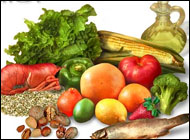
Many studies have suggested the Mediterranean diet -- which is rich in fatty fish, fruits, vegetables and fatty acids -- trumps other diets meant to induce weight loss when the measure of success is heart health. But the current trial is the first to meet the "gold standard" of biomedical research, in which large numbers of patients are randomly assigned to distinct groups, followed for several years and compared on the basis of predetermined outcomes.
The study's findings "blow the low-fat diet myth out of the water," said Cleveland Clinic cardiologist Steven Nissen, who was not involved in the current research. Nissen, an expert on the effects of drugs and nutrition on cardiovascular risk, called the study "spectacular" and touted the findings as impressive.
Written and revised by
David Cohen, M.D.
Our doctors write and review articles for accuracy and keep them up to date.
health.am provides general information, not medical advice. Always consult a qualified health professional about your own health.
Explore health topics
More in this topic
Weight & Nutrition → News
Weight and diet may help predict sleep quality
The old adage " you are what you eat ," may be better phrased as " your sleep relates to what you eat ." An individual's body composition and caloric intake can influence time spent in specific sleep stages, according…
12 June 2016
 News
Drinking more water associated with numerous dietary benefits, study finds
For people who want to control their weight or reduce their intakes of sugar, sodium and saturated fat, tap water may be what the doctor ordered. A new study that examined the dietary habits of more than 18,300 U.S.…
3 March 2016
 News
Weight loss through diet changes can improve sleep at any body weight, says Penn study
Weight loss due to dietary changes can improve sleepiness at any weight, says a study published by researchers from the Perelman School of Medicine at the University of Pennsylvania this month in the journal Sleep. The…