
Mediterranean Diet May Cut Alzheimer's
Key points
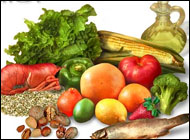
- New research links a Mediterranean diet rich in fruits, vegetables, fish, legumes, cereals, and olive oil to a lower risk of Alzheimer's diseaseAlzheimer's disease.
- "The main finding of the study is that higher adherence to a Mediterranean diet type of food consumption is associated with decreased risk for developing Alzheimer's disease," neurologist Nikoloas Scarmeas, MD, tells WebMD.
- The Mediterranean diet also includes moderate amounts of fish of all types, low intake of meat and poultry, low to moderate amounts of dairy products, and a moderate amount of alcohol (usually wine served at meals).
- Past studies have focused on isolated nutrients, Scarmeas notes.
New research links a Mediterranean diet rich in fruits, vegetables, fish, legumes, cereals, and olive oil to a lower risk of Alzheimer's diseaseAlzheimer's disease.
The finding, published in the early online addition of Annals of Neurology, comes from a study of 2,258 older adults in New York. At the study's start, participants were in their 70s, on average, and none had dementiadementia. Alzheimer's disease is the most common form of dementia in seniors.
Participants took a 61-item survey about the foods they typically ate. They also took a battery of tests every 1.5 years for four years to screen for Alzheimer's. Those tests covered mental skills including memory, language, and reasoning.
Participants weren't asked to change their eating habits. During the study, the group had 262 cases of Alzheimer's, with fewer cases seen in participants on Mediterranean-style diets.
Lower Rates of Alzheimer's Disease
"The main finding of the study is that higher adherence to a Mediterranean diet type of food consumption is associated with decreased risk for developing Alzheimer's disease," neurologist Nikoloas Scarmeas, MD, tells WebMD.
Scarmeas, who worked on the study, is an assistant professor of neurology at New York's Columbia University Medical Center.
Based on participants' food surveys, Scarmeas and colleagues gave each participant a score for adherence to a Mediterranean-style diet. Scores ranged from 0-9, with higher scores showing greater adherence to a Mediterranean diet.
Compared with those with the lowest scores, those with middle scores were 15% less likely to have been found to have developed Alzheimer's disease, and those with the highest scores were 40% less likely to have been found to have Alzheimer's disease.
Adjusting for age, ethnicity, education, genetic factors linked to Alzheimer's disease, and caloric intake didn't change the results.
What Did They Eat?
The Mediterranean diet included high intake of certain foods:
- Fruits including apples, oranges, orange or grapefruit juice, peaches, apricots, plums, and bananas
- Vegetables including tomatoes, broccoli, cabbage, cauliflower, Brussels sprouts, raw or cooked carrots, corn, yams, spinach, collard greens, and yellow squash
- Legumes including peas, lima beans, lentils, and beans
- Cereals including cold breakfast cereals, white or dark bread, rice, pasta, and potatoes (baked, broiled, or mashed)
Written and revised by
David Cohen, M.D.
Our doctors write and review articles for accuracy and keep them up to date.
health.am provides general information, not medical advice. Always consult a qualified health professional about your own health.
Explore health topics
More in this topic
Weight & Nutrition → News
Mediterranean diet has anti-inflammatory effects
Sticking to a Mediterranean diet, high in fruits and vegetables and low in saturated fats, lowers levels of inflammation in the elderly, as reflected by lower levels of C-reactive protein (CRP), research shows. This…
10 March 2006
 Guide
What Is The Mediterranean Diet?
In 1993, the Harvard Medical School released the results of research that studied the diets of those countries bordering on the Mediterranean. Their findings suggested that fat and carbohydrates were NOT the main…
11 August 2005
 News
Fatty acid-rich diet may block Alzheimer's
Consuming a diet rich in the omega-3 fatty acid docosahexanoic acid (DHA) may help prevent or treat Alzheimer's disease , findings from an animal study suggest. In the study, which is reported in The Journal of…
23 March 2005




