
Health center
Cancer
Types of cancer, screening, treatment and survivorship.

Key points
- Cancer is a group of diseases in which abnormal cells grow out of control and can spread to other parts of the body.
- Breast, lung, prostate and colorectal cancers are among the most common types.
- Many cancers can be found early through screening, when treatment works best.
- Not smoking, limiting alcohol, staying active and keeping a healthy weight lower the risk of several cancers.
12
main cancer types
54
topics with their own page
6,177
articles and news stories
3
doctors reviewing this center
Main cancer types

Breast Cancer
The most common cancer in women. Risk factors, screening with mammography, diagnosis, staging and treatment.

Prostate Cancer
The most common cancer in men. PSA testing, diagnosis, staging, and choosing between monitoring and treatment.

Cervical Cancer
A largely preventable cancer linked to HPV. Screening with Pap and HPV tests, symptoms and treatment.

Lung Cancer
The leading cause of cancer death. Smoking and other risk factors, warning signs, diagnosis and treatment.

Bladder Cancer
The second most common cancer of the urinary tract. Blood in the urine, diagnosis and treatment options.

Ovarian Cancer
Often found late because early symptoms are vague. Risk factors, genetics, diagnosis and treatment.

Esophageal Cancer
Cancer of the food pipe. Links with reflux and smoking, swallowing problems, diagnosis and treatment.

Testicular Cancer
Most common in young men and highly curable. Self-examination, symptoms, diagnosis and treatment.

Blood Cancer
Leukemia, lymphoma and myeloma: cancers of the blood, bone marrow and lymph nodes.

Uterine Cancer
Cancer of the lining of the womb. Abnormal bleeding as an early sign, risk factors and treatment.

Gestational Trophoblastic Neoplasia
Rare tumors that develop from pregnancy tissue. Diagnosis, hCG monitoring and highly effective treatment.

Vulvar Cancer
A rare cancer of the outer female genitals. Symptoms to watch for, diagnosis and treatment.
About cancer
Overview of Cancer - GENERAL
Cancer: A proliferation of cells whose unique trait - loss of normal controls - results in unregulated growth, lack of differentiation, local tissue invasion, and metastasis.
Cancer (malignancy) can develop in any tissue of any organ at any age. Most cancers are potentially curable if detected at an early stage. By performing self-examinations, patients can help recognize early signs of some possible malignancies. Diagnostic testing and therapy are essential for optimal results. When cure or reasonable palliation is likely, physicians must discuss all therapeutic options.
Patients with cancer that is unlikely to be cured need to be informed about what treatment is likely to accomplish and the side effects it may produce. Intensive care may be needed for treatment-related complications. Psychologic support from the physician and the health care team (which may include a psychiatrist and a social worker) helps patients through therapy (see Complications, below).
Physicians must be truthful, yet convey a sense of optimism. Some patients may need to be advised against health care practitioners who falsely promise cure. The patient should feel that members of the health care team are concerned and available to answer questions. The physician should initiate frank discussions about end-of-life care and advance medical directives at an appropriate time.
Cellular Kinetics
Generation time is the time it takes for cells to enter the cell cycle (see Fig. 142-1) and give rise to two daughter cells. Malignant cells usually have a shorter cycle than nonmalignant cells. Most nonmalignant cells have a larger percentage of cells in G0 (resting phase), so that there is a smaller proliferation fraction. Initial exponential tumor growth is followed by a plateau phase when cell death equals the rate of formation of daughter cells. Compared with large tumors, small tumors have a greater percentage of cells in cycle and thus greater proliferation.
Cellular kinetics are important in the design of antineoplastic drug regimens. Many antineoplastic drugs are effective only if cells are in cell cycle, and some drugs work only during a specific phase of the cycle. Cellular kinetics may influence the dosage schedules and timing of treatment.
Tumor Growth and Metastasis
As a tumor grows, nutrients are provided by direct diffusion from the circulation. Local tissue invasion can result in pressure on normal tissues, which can lead to inflammation, or the tumor may produce substances (eg, collagenase) that lead to enzymatic destruction of tissues. Subsequently, synthesis of tumor angiogenesis factor causes formation of an independent vascular supply to the tumor. Almost from inception, a tumor may shed cells into the circulation.
What is Cancer
- How cancer starts?
- How cancer spreads?
- Why do non-cancerous (benign) tumours not spread to other areas?
- What is carcinoma in situ?
- 15 Common Myths About Cervical Cancer
- Cancer and food
- Origin of the word cancer
- How is cancer treated?
- Steps To Reduce Your Cancer Risk
- Top 10 Cancer Causing Foods
- Top 10 foods that prevent breast cancer
- Sugary foods linked to pancreatic cancer risk
- Foods that promote breast cancer
- How Red Wine Prevents Cancer
Gynecologic Neoplasms
- Vulvar Cancer
- Vulvar Cancer: General Considerations
- Vaginal Cancer
- Vaginal Cancer: Symptoms and Signs
- Endometrial Cancer
- Endometrial Cancer: Symptoms, Signs, and Diagnosis
- Ovarian Cancer
- Ovarian Cancer: Etiology and Genetics
- Ovarian Germ Cell Tumors
- Epithelial Ovarian Cancer
- Carcinoma of the Fallopian Tube
- Uterine Cancer
- Ureteral & Renal Pelvic Cancers
- Cervix Cancer
- Cervical Cancer: Risk Factors
- Cervical Cancer: Symptoms
- Fallopian Tube Cancer
- Gestational Trophoblastic Disease
- Gestational Trophoblastic Neoplasia
- Breast Cancer Overview
More Cancer Types
- Overview of Cancer
- Hematologic Malignancies
- Malignant Mediastinal Germ Cell Tumors
- Primary Germ Cell Tumors of the Thorax
- Head and Neck Cancer
- Colorectal Cancer
- Carcinoma of the Anus
- Prostate Cancer
- Benign Prostatic Hyperplasia
- Carcinoma of the Urethra
- Tumors of the Penis
- Cancer of the Penis
- Tumors of the Testis
- Testicular Cancer
- Laryngeal Cancer
- Cancer of the Oropharynx
- Benign Esophageal Tumors
- Carcinoma of the Mediastinum
- Cancer of the Oral Cavity
- Cancer of the Nasal Cavity
All cancer types
54 topics Benign Esophageal Tumors
 Benign Prostatic Hyperplasia
- Bladder Carcinomas67
- Blood Cancer67
- Bone Cancer29
 Breast Cancer2081
- Breast Cancer in the elderly19
 Cancer of the Hypopharynx
 Cancer of the Nasal Cavity
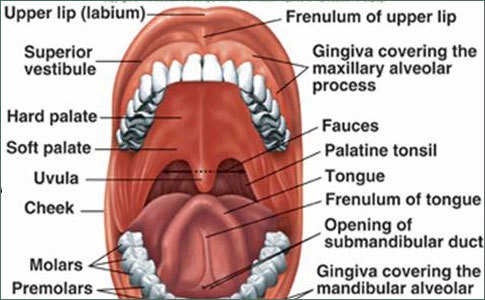 Cancer of the Oral Cavity
 Cancer of the Oropharynx
 Cancer of the Penis6
 Cancer of the Vulva
 Carcinoma of the Anus9
 Carcinoma of the Anus: Strategies in Management
 Carcinoma of the Mediastinum
- Carcinoma of the Urethra
- Cervical Cancer125
 Colorectal Cancer392
- Endometrial Cancer30
 Esophageal cancer54
 Esophageal cancer Diagnosis
- Esophageal Cancer Treatment
- Eye cancer7
- Germ Cell Tumors of the Testis7
 Gynecologic Oncology53
 Head and Neck Cancer206
- Hematologic Malignancies17
- Kidney Cancer34
 Laryngeal cancer17
- Liver Cancer61
- Lung Cancer344
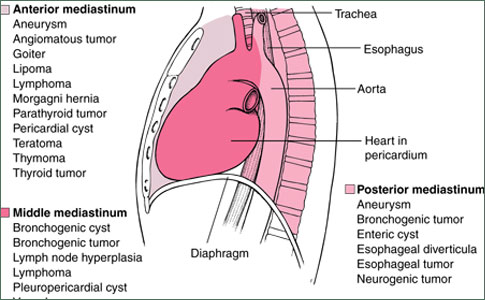 Malignant mediastinal Germ Cell Tumors
 Neoplasms of the Head and Neck40
- Non-Germ Cell Tumors of the Testis
- Oral Cancer33
 Ovarian Cancer229
 Overview of Cancer
- Pancreatic Cancer147
 Primary Germ Cell Tumors of the Thorax
 Prostate Cancer606
 Salivary Gland Tumors
- Skin Cancer133
- Stomach Cancer25
 Testicular Cancer33
- Throat Cancer15
- Thyroid Cancer40
- Tumor Immunology5
 Tumors of the Penis
- Tumors of the Small and Large Intestines397
- Tumors of the Testis
 Ureteral & Renal Pelvic Cancers
- Vaginal Cancer8
 Vulvar Cancer16
In-depth guides
A–Z index
B
C
- Cancer and food
- Cancer of the Hypopharynx
- Cancer of the Nasal Cavity
- Cancer of the Oral Cavity
- Cancer of the Oropharynx
- Cancer of the Penis
- Cancer of the Vulva
- Carcinoma of the Anus
- Carcinoma of the Anus: Strategies in Management
- Carcinoma of the Fallopian Tube
- Carcinoma of the Mediastinum
- Carcinoma of the Prostate (CAP)
- Carcinoma of the Urethra
- Cervical Cancer
- Cervical Cancer: Symptoms
- Cervix Cancer
- Colorectal Cancer
E
G
O
S
T
Latest cancer news
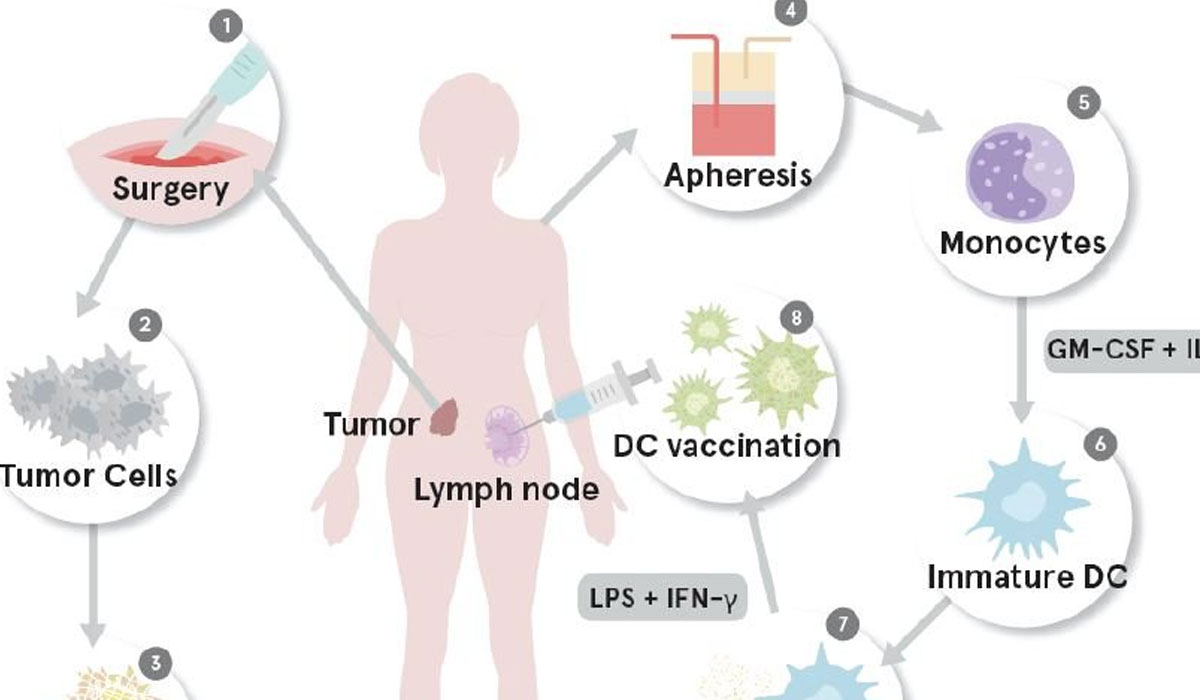
UA Cancer Center team questions safety, efficacy of selenium and colorectal cancer risk
14 October 2016
It's time to consider propranolol as an anti-cancer drug, researchers say
13 October 2016
Many adolescent girls with leukemia are not being screened for pregnancy before beginning chemotherapy
12 October 2016
E-cigarette vapor does not cause oxidative stress in viable lung epithelial cells
5 October 2016
Anti-tumor immunity identified with new ovarian cancer treatment strategy
27 September 2016

Study examines survival outcomes after different lung cancer staging methods
27 September 2016
