
Eczema In Children Exposed To Cats
Key points
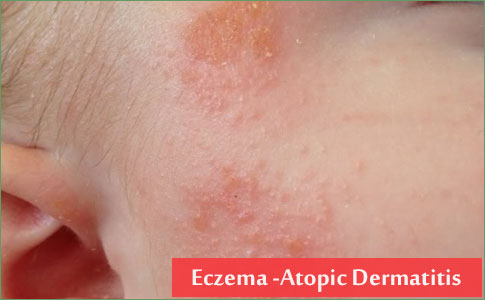
- Children who are exposed to cats soon after birth may have an increased risk of developing eczema, according to a study to be presented at the American Thoracic Society International Conference on May 21st.
- Being exposed to two or more dogs at home suggested a slightly protective, but not significant, effect on children's risk of developing eczema, said lead researcher Esmeralda Morales, M.D., Pediatric Pulmonary Fellow at the University of Arizona in Tucson.
- The study included 486 children who had been followed since birth.
- Of the 134 children with cats in the household, 27.6% had eczema by one year of age, compared with 17.8% of 286 children without cats.
Children who are exposed to cats soon after birth may have an increased risk of developing eczema, according to a study to be presented at the American Thoracic Society International Conference on May 21st.
Being exposed to two or more dogs at home suggested a slightly protective, but not significant, effect on children's risk of developing eczema, said lead researcher Esmeralda Morales, M.D., Pediatric Pulmonary Fellow at the University of Arizona in Tucson.
The study included 486 children who had been followed since birth. The researchers asked their parents how many cats and dogs they had in the house at the time the child was born, and then followed up one year later to see which children had been diagnosed with eczema.
Of the 134 children with cats in the household, 27.6% had eczema by one year of age, compared with 17.8% of 286 children without cats. While exposure to cats increased a child's risk of eczema whether or not their mother had asthma, the effect was more pronounced in children whose mothers did not have asthma.
Previous studies have found that people with eczema have a higher chance of also having allergic conditions including hay fever and asthma.
"Other studies have found that having cats or dogs at home seems to be protective against allergic diseases, so we expected to have similar findings," said Dr. Morales. "Pets are a source of a compound called endotoxin, and if a child is exposed to endotoxin early in life, the immune system may be skewed away from developing an allergic profile."
It's possible that the children in the study who developed eczema at age 1 might end up having a reduced risk of asthma or other allergic diseases later in life, Dr. Morales noted. "The findings do seem to add more questions about pets and asthma and allergies," she said. "Since there are a lot of contradictory data out there already, clearly it's a topic that needs further research."
American Thoracic Society (ATS)
Written and revised by
David Cohen, M.D.
Our doctors write and review articles for accuracy and keep them up to date.
health.am provides general information, not medical advice. Always consult a qualified health professional about your own health.
Explore health topics
More in this topic
Skin, Hair & Beauty →NewsDisorder makes man's scalp look like brain
A Brazilian man is suffering from an unusual disorder that makes his scalp look like the surface of his brain. According to a study published in the New England Journal of Medicine, the 21-year-old unnamed man has been…
20 October 2012
 News
Genome-wide study identifies 8 new susceptibility loci for atopic dermatitis
Researchers at the RIKEN Center for Genomic Medicine (CGM) and their colleagues have identified 8 new loci associated with susceptibility to atopic dermatitis in the Japanese population. The findings, which appear in…
8 October 2012
NewsSunscreen: How To Use It Effectively
Sunscreen is a must for people living in Colorado, as the higher elevation makes the chances of sun damage - or worse, skin cancer - much higher. But with so many brands out there, how do you decide which sunscreen is…
30 May 2012