Carbohydrate and Type 2 Diabetes - Medical Nutrition Treatment in the Management of Type 2 Diabetes
Key points
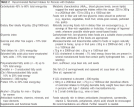
- The recommended intake of carbohydrate for people with diabetes is 45% to 60% of total energy intake (Table 2).
- Thus, sucrose and other added sugars may be included in moderation in the diets of people with type 2 diabetes, however, the bulk of dietary carbohydrate should be derived from foods with a low-glycemic index and/or rich in fiber.
- German Diabetes Research Center, Heinrich-Heine University, Düsseldorf, Germany Jim I.
- When carbohydrate intakes are at the upper end of the proposed range, restriction of carbohydrate to around 45% of total energy and a partly replacement of carbohydrate by monounsaturated fat may be tried for some patients with unsatisfactory glycemic control.
The recommended intake of carbohydrate for people with diabetes is 45% to 60% of total energy intake (Table 2). Provided that foods rich in fiber and with low-glycemic index predominate, there are no known deleterious effects with this range of carbohydrate intake.
When carbohydrate intakes are at the upper end of the proposed range, restriction of carbohydrate to around 45% of total energy and a partly replacement of carbohydrate by monounsaturated fat may be tried for some patients with unsatisfactory glycemic control.
However, there is concern that increased fat intake might promote weight gain and potentially contribute to insulin resistance. The advice for carbohydrate intake should therefore be individualized, based on nutrition assessment, metabolic results and treatment goals, however, there is no justification for the recommendation of very low-carbohydrate diets in persons with diabetes (8,43).
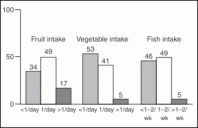
Vegetables, legumes, fresh fruit, and whole-grain cereal-derived foods are the preferred sources of carbohydrate. They are rich in fiber, micronutrients, and vitamins, and help to ensure the recommended intakes of other nutrients. However, many individuals with diabetes do not consume such foods on a regular basis (Fig. 2).
A number of factors influence glycemic response to carbohydrate-containing foods, including the nature of the starch (amylose, amylopectin, resistant starch), the amount of dietary fiber and the type of sugar. Different carbohydrates have different glycemic responses and, clearly, the amount of carbohydrate is one important factor in postprandial glucose levels.
However, foods with a low-glycemic index may confer benefits not only for postprandial glycemia in persons with type 2 diabetes, but also for their lipid profile (44 - 48).
Foods with a low-glycemic index (e.g., legumes, pasta, parboiled rice, whole-grain breads, oats, certain raw fruits) should therefore be substituted when possible for those with a high-glycemic index (e.g., mashed potatoes, white rice, white bread and rolls, sugary drinks).
People with diabetes should be encouraged to choose a variety of fiber-containing foods.
It has been shown that increased fiber intake results in benefits for glycemic control, hyperinsulinemia and serum lipids (49 - 51). Dietary fiber intake should ideally be more than 40 g/day, about half of which should be soluble, however, beneficial effects are also obtained with lower, and for some, more acceptable amounts (8). The available evidence from controlled clinical studies demonstrates that moderate intake of dietary sucrose in diets with an appreciable amount of fiber - with the sucrose displacing other fiber-depleted carbohydrate-containing food - does not worsen glycemic control in persons with diabetes .
Written and revised by
Andrey Nailor, M.D.
Our doctors write and review articles for accuracy and keep them up to date.
health.am provides general information, not medical advice. Always consult a qualified health professional about your own health.
Explore health topics
More in this topic
Diabetes & Hormones → News
Obesity and weight loss change splicing pattern of obesity and type 2 diabetes genes
Alternative splicing of obesity and type 2 diabetes related genes may contribute to the pathophysiology of obesity, according to research from the University of Eastern Finland. Obesity leads to changes in the splicing…
23 May 2015
 News
Early detection and treatment of type 2 diabetes may reduce heart disease and mortality
Screening to identify Type 2 diabetes followed by early treatment could result in substantial health benefits, according to new research published today in Diabetes Care that combined large scale clinical observations…
19 May 2015
 News
Accelerated brain aging in type 1 diabetes related to cognitive complications
The brains of people with type 1 diabetes show signs of accelerated aging that correlate with slower information processing, according to research led by the University of Pittsburgh Graduate School of Public Health.…