To Prevent Death Or Disability Seek Immediate Care When Stroke Symptoms Occur
Key points
- Recognizing the symptoms of stroke and seeking immediate treatment could save your life.
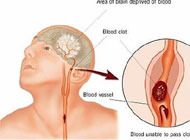
- Ischemic stroke occurs when blood flow to the brain is suddenly interrupted by a blockage in a blood vessel or artery.
- Typically stroke warning signs occur suddenly and may include painless weakness in an arm or leg, numbness or weakness of the face or one side of the body, slurring of the speech or language difficulty, and trouble seeing with one or both eyes.
- “If you are having severe pain, it is human nature to make a beeline for the emergency room,” says Dr.
Recognizing the symptoms of stroke and seeking immediate treatment could save your life. What’s immediate? Ideally, treatment for ischemic stroke - the most common type - begins within three hours of symptom onset, says Irene Meissner, M.D., Mayo Clinic neurologist, in the January issue of Mayo Clinic Women’s HealthSource.
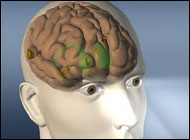
Ischemic stroke occurs when blood flow to the brain is suddenly interrupted by a blockage in a blood vessel or artery. Less common, a hemorrhagic stroke occurs when a blood vessel breaks, causing bleeding on the brain. Either can be deadly or disabling. In the United States, stroke is the third-leading cause of death in women and the fourth-leading cause in men. And, stroke is the leading cause of long-term disability.
Typically stroke warning signs occur suddenly and may include painless weakness in an arm or leg, numbness or weakness of the face or one side of the body, slurring of the speech or language difficulty, and trouble seeing with one or both eyes. In addition, some people may get dizzy or feel unsteady. A sudden, severe or unusual headache - sometimes described as your worst headache ever - also can be a symptom.
In some cases, these symptoms go away without treatment.
“If you are having severe pain, it is human nature to make a beeline for the emergency room,” says Dr. Meissner. “But it’s important not to ignore sudden or unusual symptoms that seem to get better or that aren’t painful.”
In years past, treatment options for stroke were limited. That’s changed. Thrombolytic drugs, also known as clot busters, are used to treat ischemic stroke and reduce the risk of permanent brain damage that can cause paralysis or problems with thinking or speaking. The sooner the medication is started, the better the outcome.
Of course, taking steps to avoid a stroke is prudent. High blood pressure and high cholesterol levels are big risk factors for stroke. Other risk factors include diabetes, obesity, heart disease, family history, older age and smoking.
Mayo Clinic Women’s HealthSource is published monthly to help women enjoy healthier, more productive lives. Revenue from subscriptions is used to support medical research at Mayo Clinic.
Source: Mayo Clinic
Written and revised by
Andrey Nailor, M.D.
Our doctors write and review articles for accuracy and keep them up to date.
health.am provides general information, not medical advice. Always consult a qualified health professional about your own health.
Explore health topics
More in this topic
Brain & Nerves →Expand telestroke in all provinces to save lives, reduce disability
Widespread use of telestroke - two-way audiovisual linkups between neurologists in stroke centres and emergency rooms in underserved and rural areas - would save lives, reduce disability and cut health-care costs in all…
3 October 2012