
Few African-Americans call 911 immediately for stroke symptoms
Key points
- Most African-Americans say they'd call 9-1-1 if stroke symptoms occurred - but few do, according to research reported in Stroke: Journal of the American Heart Association.
- In a survey of 253 African-Americans in Washington, D.C., 89 percent said they'd call 9-1-1 at the first sign of a stroke.
- Blacks are at greater risk for stroke and are more likely to die compared to whites due to higher rates of risk factors such as high blood pressure and obesity.
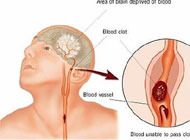
- Prompt hospital arrival is critical because intravenous clot-busting drugs can prevent permanent stroke damage if administered within three hours of the onset of stroke symptoms.
Most African-Americans say they'd call 9-1-1 if stroke symptoms occurred - but few do, according to research reported in Stroke: Journal of the American Heart Association.
In a survey of 253 African-Americans in Washington, D.C., 89 percent said they'd call 9-1-1 at the first sign of a stroke. Yet, only 12 percent of 100 stroke patients surveyed in the predominantly black District of Columbia called 9-1-1 right away when faced with symptoms.
Blacks are at greater risk for stroke and are more likely to die compared to whites due to higher rates of risk factors such as high blood pressure and obesity.
Prompt hospital arrival is critical because intravenous clot-busting drugs can prevent permanent stroke damage if administered within three hours of the onset of stroke symptoms.
Among 100 real-life stroke patients in the study:
* Almost half delayed seeking medical treatment because they thought symptoms weren't serious or because they thought they'd feel better.
* Three-fourths called family or a friend first.
* Of those who suspected they were having a stroke, only half arrived at the hospital via ambulance.
* Of those who arrived by ambulance, 35 percent did so only because they had no other transportation.
"We found that virtually no one knew that treatment was available and that getting to the hospital quickly means right now - as in drop everything," said Amie W. Hsia, M.D., the study's lead author, an assistant professor in the Georgetown University Department of Neurology and medical director of the Washington Hospital Center Stroke Center in Washington, D.C. "With every minute that passes, more brain cells die."
For the study, researchers examined whether big city residents received adequate stroke information and if they realized patients fared much better when treated immediately. They gave the volunteers scenarios that featured hypothetical stroke symptoms. They also interviewed 100 stroke patients or the people who accompanied the patients to the hospital.
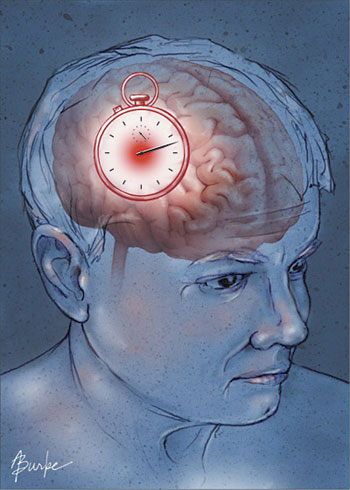
The disconnect was "striking" when comparing what volunteers said they would do hypothetically and what most people did when real stroke symptoms surfaced, Hsia said.
"Stroke doesn't typically cause pain or cause patients to collapse, so some will go to bed and hope they feel better," she said. "Or they want confirmation that what is happening is serious and is worthy of calling 9-1-1, so they call a family member or friend first."
In addition to the potential of receiving clot-busters, patients arrive faster in an ambulance, the hospital can be alerted in advance by EMS and patients who arrive by ambulance are given priority in the hospital and are therefore treated sooner, Hsia said.
Written and revised by
David Cohen, M.D.
Our doctors write and review articles for accuracy and keep them up to date.
health.am provides general information, not medical advice. Always consult a qualified health professional about your own health.



