
Scientists discover potential stroke treatment that may extend time to prevent brain damage
Key points
- A naturally occurring substance shrank the size of stroke-induced lesions in the brains of experimental mice - even when administered as much as 12 hours after the event, Stanford University School of Medicine researchers have shown.
- The finding, which will be published online July 25 in Proceedings of the National Academy of Sciences, is of great potential significance.
- Strokes are caused by a sudden drop in the flow of blood to the brain resulting from a clot or, less often, bleeding.
- The only currently approved drug for stroke - tissue plasminogen activator, or tPA - dissolves clots that keep oxygenated blood from reaching brain tissue.
A naturally occurring substance shrank the size of stroke-induced lesions in the brains of experimental mice - even when administered as much as 12 hours after the event, Stanford University School of Medicine researchers have shown. The substance, alpha-B-crystallin, acts as a brake on the immune system, lowering levels of inflammatory molecules whose actions are responsible for substantial brain damage above and beyond that caused by the initial oxygen deprivation of a stroke.
The finding, which will be published online July 25 in Proceedings of the National Academy of Sciences, is of great potential significance. Every year brings nearly 800,000 new stroke patients in North America. "That's one every 40 seconds," said Gary Steinberg, MD, PhD, director of Stanford's Institute for Neuro-Innovation and Translational Neurosciences and one of the study's two senior authors. Steinberg is also the Bernard and Ronni Lacroute-William Randolph Hearst Professor of Neurosurgery and the Neurosciences, and chair of neurosurgery at the medical school.
The largest single cause of severe neurological disability and the third-leading cause of death in the United States, stroke accounts for an estimated $74 billion annually in related costs, including treatment and additional assistance for the three of every four stroke patients whose ability to perform the activities of daily life is impaired. Strokes are caused by a sudden drop in the flow of blood to the brain resulting from a clot or, less often, bleeding. One of every three stroke patients is under the age of 65. In all, there are 5.4 million stroke survivors in the United States and 15 million worldwide.
The only currently approved drug for stroke - tissue plasminogen activator, or tPA - dissolves clots that keep oxygenated blood from reaching brain tissue. To be effective, tPA must be administered within about 4.5 hours after the stroke. But patients' brains must first be scanned to rule out the possibility that the stroke was caused by bleeding, which tPA would exacerbate, rather than by blockage.
Moreover, tPA does nothing to counter the stroke's insidious inflammatory aftershock: a flood of noxious chemicals secreted by angry immune cells that rush in to the affected area, causing significant further damage.
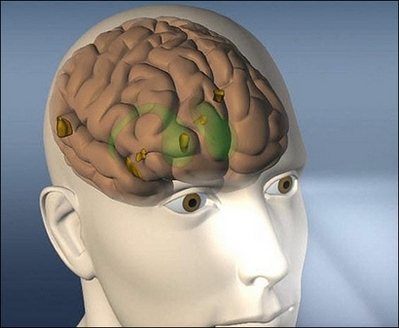
Alpha-B-crystallin appears to act as a sponge, sopping up those bad actors and stopping inflammation from making a bad situation worse.
Alpha-B-crystallin is a major structural protein in the eye's lens. It is also constantly made in the heart. In other tissues, including the brain, its production can be triggered by stressful events, such as oxygen deprivation or excessive heat or cold. Growing evidence suggests that alpha-B-crystallin can help curb inflammatory activity in the brain.
Written and revised by
Andrey Nailor, M.D.
Our doctors write and review articles for accuracy and keep them up to date.
health.am provides general information, not medical advice. Always consult a qualified health professional about your own health.
