Women Have Reduced Endometriosis Pain with Proellex

Key points
- An oral drug being tested in women with endometriosis, Proellex, reduces their chronic pelvic pain and their need for painkillers, according to a new study conducted by the drug maker, Repros Therapeutics.
- “Proellex is very effective in relieving pain associated with endometriosis, a condition that affects as many as 4 million women in the United States,” said Andre van As, MD, PhD, a study co-author and researcher employed with Repros Therapeutics in The Woodlands, Tex.
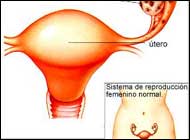
- Endometriosis involves abnormal growth of tissue outside the endometrium, or uterine lining.
- The van As research team tested the pain-relieving effects of Proellex (CDB-4124) over 4 months in 43 women with endometriosis.
An oral drug being tested in women with endometriosis, Proellex, reduces their chronic pelvic pain and their need for painkillers, according to a new study conducted by the drug maker, Repros Therapeutics. The results of the phase 2 clinical trial will be presented Wednesday at The Endocrine Society’s 91st Annual Meeting in Washington, D.C.
“Proellex is very effective in relieving pain associated with endometriosis, a condition that affects as many as 4 million women in the United States,” said Andre van As, MD, PhD, a study co-author and researcher employed with Repros Therapeutics in The Woodlands, Tex.
Endometriosis involves abnormal growth of tissue outside the endometrium, or uterine lining. Many affected women have severe to debilitating abdominal pain during menstruation, and some women also experience nonmenstrual pelvic pain and painful sexual intercourse. Treatment with oral contraceptives and aspirin or nonsteroidal anti-inflammatory drugs, such as ibuprofen, may relieve pain for some women. Narcotic drugs for relief of pain were used by approximately two thirds of women in the study being reported. Severe cases, however, may require drug injections, surgery to remove endometrial growths or even a hysterectomy with removal of the ovaries.
The van As research team tested the pain-relieving effects of Proellex (CDB-4124) over 4 months in 43 women with endometriosis. These women reported moderately severe or severe pelvic pain and other symptoms of endometriosis, based on the Mean Endometriosis Symptom Severity Scale. The researchers randomly assigned the women to receive, once a day, either a placebo (similar to an inert sugar pill) or Proellex at one of two doses. Fifteen women received placebo, and 14 women each received either 25 or 50 milligrams of Proellex. Neither the participants nor the investigators knew which pill the women received. The three treatment groups had similar average symptom severity scores before treatment, according to the abstract.
Compared with placebo, 4 months of treatment with Proellex significantly lowered individual scores of painful menstruation (called dysmenorrhea), which van As said they expected because the drug causes menstruation to stop in most women. However, Proellex also significantly decreased symptoms associated with nonmenstrual pelvic pain and pain during sexual intercourse (“dyspareunia”), suggesting that this new medication may also have a “disease-modifying effect,” van As said. There was no difference in results between the two Proellex doses at any time during the 4 months, he added.
Furthermore, women who received Proellex took fewer painkillers than women who received the placebo. They had a 70.8 percent reduction in use of analgesic drugs versus 45 percent in the placebo group, according to the abstract.
Currently the researchers are studying how long the pain-relieving effects last after stopping Proellex therapy as well as any possible side effects of the drug.
Written and revised by
Andrey Nailor, M.D.
Our doctors write and review articles for accuracy and keep them up to date.
health.am provides general information, not medical advice. Always consult a qualified health professional about your own health.
Explore health topics
More in this topic
Women's Health → News
Salt intake appears to have little impact on bone health in menopausal women
A low-salt diet does not necessarily translate to stronger bones in postmenopausal women, physician-scientists report. "When we started the study, we thought we were going to be telling everyone again that a low-salt…
27 February 2016
 News
Women undergoing fertility treatment can succeed with fewer hormones
Since the early days of fertility treatment, women undergoing IVF treatment have had to place a hormonal gel in their vagina on a daily basis for at least 14 days after embryo transfer. The hormone is necessary to…
26 August 2015
 News
More women are reaching 100 but centenarian men are healthier
New research conducted by a team at King's College London has found an increasing trend in the number of people in the UK reaching age 100 over the past two decades. The study also found that, whilst women were far more…