
Lean women may be susceptible to endometriosis
Key points
- Women diagnosed with endometriosis have a tendency to be lean, as measured by body mass index (BMI), both at the time of diagnosis and historically, research hints.
- "We do not anticipate that a lean physique will be a sensitive indicator of disease," researchers write in the journal Fertility and Sterility, but it may provide an additional piece of information helpful in developing a profile of women susceptible to developing endometriosis.
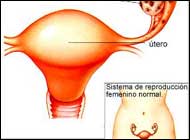
- In endometriosis, tissue that normally lines the uterus grows at other sites in the abdomen.
- Hediger and colleagues from the National Institutes of Child Health and Human Development, Bethesda, Maryland, examined whether an association exists between body size and perceived figure (both current and historical) and a diagnosis of endometriosis.
Women diagnosed with endometriosis have a tendency to be lean, as measured by body mass index (BMI), both at the time of diagnosis and historically, research hints.
"We do not anticipate that a lean physique will be a sensitive indicator of disease," researchers write in the journal Fertility and Sterility, but it may provide an additional piece of information helpful in developing a profile of women susceptible to developing endometriosis.
In endometriosis, tissue that normally lines the uterus grows at other sites in the abdomen. It is thought to occur in 10 to 15 percent of women of childbearing age. Although there can be accompanying symptoms that may be indicative of endometriosis, including chronic pelvic pain, infertility and pain during sexual intercourse, doctors use laparoscopy to visualize the lesions and cysts to make a final diagnosis.
Dr. Mary L. Hediger and colleagues from the National Institutes of Child Health and Human Development, Bethesda, Maryland, examined whether an association exists between body size and perceived figure (both current and historical) and a diagnosis of endometriosis. The study involved 84 women - 32 had endometriosis and 52 did not and were considered controls.
BMIs were 21.3 and 23.2 for women with endometriosis and controls, respectively.
A higher BMI was statistically protective for a diagnosis of endometriosis after adjusting for potentially confounding factors. This was the case regardless of whether BMI was determined by self-reports or perceived figure.
The likelihood of being diagnosed with endometriosis decreased approximately 12 percent to 14 percent for every unit increase in BMI.
That women diagnosed with endometriosis may have a consistently lean physique during adolescence and early adulthood lends support to the idea that the disease may originate in utero or early childhood, the Bethesda group notes. Further research, they say, is needed to better understand the natural history of endometriosis.
SOURCE: Fertility and Sterility, November, 2005.
Written and revised by
David Cohen, M.D.
Our doctors write and review articles for accuracy and keep them up to date.
health.am provides general information, not medical advice. Always consult a qualified health professional about your own health.
Explore health topics
More in this topic
Women's Health → News
Educated women choosing to be mothers without marrying their spouses
In Latin America, consensual (common-law) unions are traditionally associated with poorer or indigenous populations. But recent research is turning this conventional wisdom on its head, finding that that in the past 30…
20 March 2015
 News
Can breastfeeding women have menopause-like symptoms?
After giving birth, a woman's estrogen levels drop to lower than usual levels, and while they return to the normal range relatively quickly among women who are not breastfeeding, this hypoestrogenic state may continue…
13 March 2015
 News
Hormone replacement therapy for postmenopausal women: Does it help or harm your heart?
New evidence published today in the Cochrane Library shows that hormone replacement therapy does not protect post-menopausal women against cardiovascular disease, and may even cause an increased risk of stroke. HRT, now…





