Corticosteroid creams no help for sunburns

Key points
- Corticosteroid creams and ointments are often recommended for soothing a sunburn, but a new study suggests they are unlikely to help.
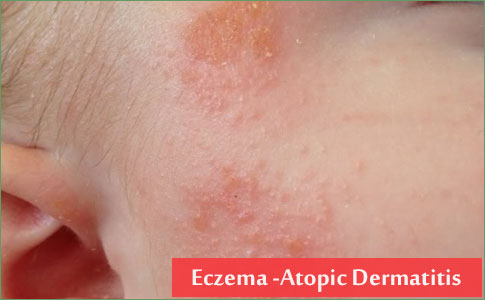
- Topical corticosteroids, like hydrocortisone and betamethasone, are effective for inflammatory skin conditions such as eczema.
- For the new study, published in the Archives of Dermatology, researchers recruited 20 healthy, sun-sensitive volunteers to test whether topical corticosteroids could offer quick sunburn relief.
- All participants had their upper backs exposed to UV-emitting lamps; some areas of their skin were treated beforehand with a moderate- or high-strength corticosteroid cream, while other areas were treated 6 and 23 hours after the UV exposure.
Corticosteroid creams and ointments are often recommended for soothing a sunburn, but a new study suggests they are unlikely to help.
Topical corticosteroids, like hydrocortisone and betamethasone, are effective for inflammatory skin conditions such as eczema. Sunburns are the manifestation of an inflammatory reaction to damage from UV light, but studies have come to conflicting conclusions as to whether corticosteroid creams, lotions and ointments can help cool the burn.
For the new study, published in the Archives of Dermatology, researchers recruited 20 healthy, sun-sensitive volunteers to test whether topical corticosteroids could offer quick sunburn relief.
All participants had their upper backs exposed to UV-emitting lamps; some areas of their skin were treated beforehand with a moderate- or high-strength corticosteroid cream, while other areas were treated 6 and 23 hours after the UV exposure. One area of skin was left untreated.
The researchers then examined the volunteers' sunburns one hour after the last corticosteroid application.
They found that in areas of skin treated before UV exposure, the creams did seem to lessen redness. This was not true, however, of skin that was treated after UV exposure - the way corticosteroids would be used in the real world.
The findings suggest that topical corticosteroids "have no effect in reducing sunburn," lead researcher Dr. Annesofie Faurschou, of Bispebjerg Hospital in Copenhagen, Denmark, told Reuters Health.
The reason, she explained, is that once the sunburn is visible, it is "too late" for corticosteroids to be effective.
Sunburn sufferers can try to find relief by using pain medication, Faurschou said, and "after sun" lotions can cool the skin and offer a temporary reprieve.
"However," she said, "the severity of the acute sunburn will be the same whether you use topical corticosteroids or not."
SOURCE: Archives of Dermatology, May 2008.
Written and revised by
David Cohen, M.D.
Our doctors write and review articles for accuracy and keep them up to date.
health.am provides general information, not medical advice. Always consult a qualified health professional about your own health.
Explore health topics
More in this topic
Skin, Hair & Beauty →NewsSunscreen: How To Use It Effectively
Sunscreen is a must for people living in Colorado, as the higher elevation makes the chances of sun damage - or worse, skin cancer - much higher. But with so many brands out there, how do you decide which sunscreen is…
30 May 2012
NewsSunblocks are the new multi-taskers
The beginning of summer always seems to be accompanied by an onslaught of sunscreens. The market is crowded with lotions and sprays, powders and lip balms, and, increasingly, multi-tasking products with inventive…
26 May 2012
NewsExercise tied to lower risk of psoriasis: study
Results from a large U.S. study suggest women who regularly exercise vigorously, including runners and aerobics buffs, may be less likely to get psoriasis than less-active women. Researchers have known that people who…
22 May 2012