High Blood cholesterol: Glossary of terms

Key points
- Atherosclerosis - A type of "hardening of the arteries" in which cholesterol, fat, and other blood components build up on the inner lining of arteries.
- Carbohydrate - One of the three nutrients that supply calories (energy) to the body.
- It is made in sufficient quantity by the body for normal body function, including the manufacture of hormones, bile acid, and vitamin D.
- Coronary heart disease - Heart ailment caused by narrowing of the coronary arteries (arteries that supply oxygen and nutrients directly to the heart muscle).
1. Atherosclerosis - A type of "hardening of the arteries" in which cholesterol, fat, and other blood components build up on the inner lining of arteries. As atherosclerosis progresses, the arteries to the heart may narrow so that oxygen-rich blood and nutrients have difficulty reaching the heart.
2. Carbohydrate - One of the three nutrients that supply calories (energy) to the body. Carbohydrate provides 4 calories per gram - the same number of calories as pure protein and less than half the calories of fat. Carbohydrate is essential for normal body function. There are two basic kinds of carbohydrate - simple carbohydrate (or sugars) and complex carbohydrate (starches and fiber). In nature, both the simple sugars and the complex starches come packaged in foods like oranges, apples, corn, wheat, and milk. Refined or processed carbohydrates are found in cookies, cakes, and pies.
- Complex Carbohydrate - Starch and fiber. Complex carbohydrate comes from plants. When complex carbohydrate is substituted for saturated fat, the saturated fat reduction helps lower blood cholesterol. Foods high in starch include breads, cereals, pasts, rice, dried beans and peas, corn, and lima beans.
- Fiber - a nondigestible type of complex carbohydrate. High-fiber foods are usually low in calories. Foods high in fiber include whole grain breads and cereals, whole fruits, and dried beans. The type of fiber found in foods such as oat and barley bran, some fruits like apples and oranges, and some dried beans may help reduce blood cholesterol.
3. Cholesterol - A soft, waxy substance. It is made in sufficient quantity by the body for normal body function, including the manufacture of hormones, bile acid, and vitamin D. It is present in all parts of the body, including the nervous system, muscle, skin, liver, intestines, heart, etc.
- Blood Cholesterol - Cholesterol that is manufactured in the liver and absorbed from the food you eat and is carried in the blood for use by all parts of the body. A high level of blood cholesterol leads to Atherosclerosis and coronary heart disease.
- Dietary Cholesterol - Cholesterol that is in the food you eat. It is present only in foods of animal origin, not in foods of plant origin. Dietary cholesterol, like saturated fat, tends to raise blood cholesterol, which increases the risk for heart disease.
4. Coronary heart disease - Heart ailment caused by narrowing of the coronary arteries (arteries that supply oxygen and nutrients directly to the heart muscle). Coronary heart disease is caused by atherosclerosis, which decreases the blood supply to the heart muscle. The inadequate supply of oxygen-rich blood and nutrients may damage the heart muscle and can lead to, , and death.
Written and revised by
David Cohen, M.D.
Our doctors write and review articles for accuracy and keep them up to date.
health.am provides general information, not medical advice. Always consult a qualified health professional about your own health.
Explore health topics
More in this topic
Heart & Blood Vessels →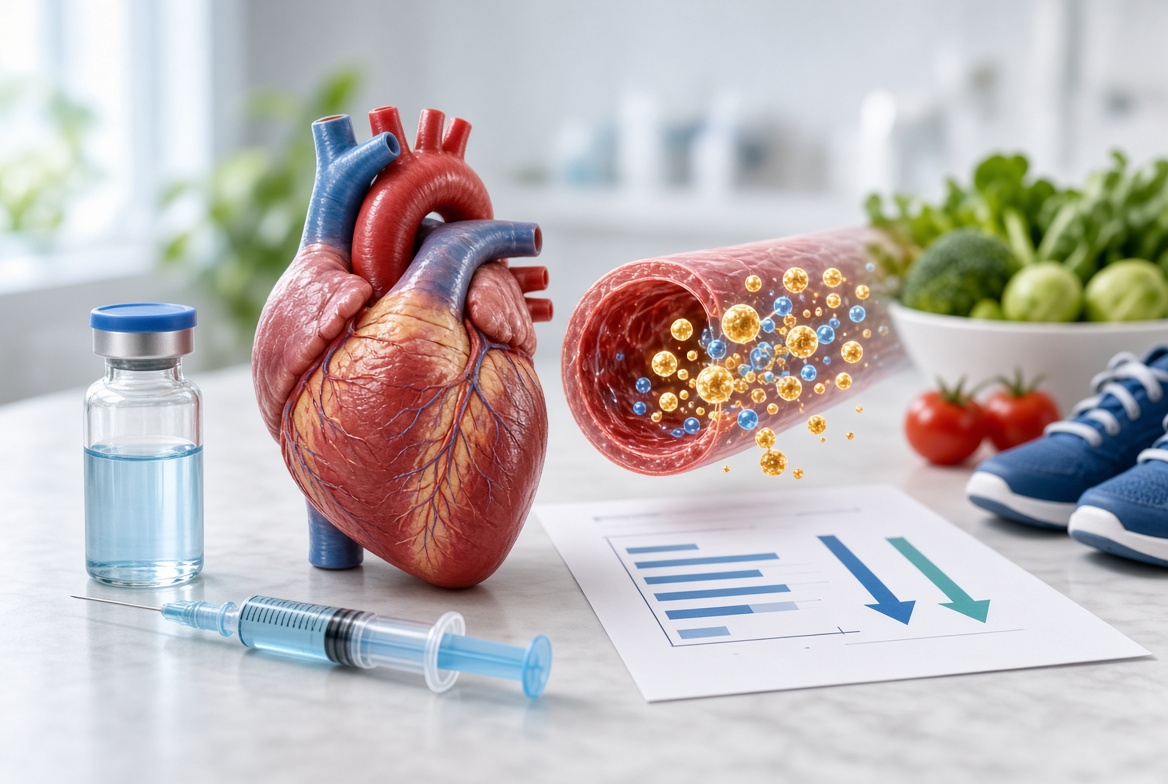 News
Best GLP-1s for High Cholesterol?: How and Why They Work
GLP-1 medications can improve cholesterol numbers, especially triglycerides, while cutting heart attack and stroke risk. Here’s how they work, which ones show the strongest lipid effects, and why they still need to be paired with proven cholesterol treatments.
10 November 2026
 News
Older adults need better blood pressure and cholesterol control to prevent cardiovascular disease
The leading cause of death in the elderly , the fastest growing segment of the population, is cardiovascular disease (CVD) . Prevention of cardiovascular events in elderly patients presents a therapeutic challenge…
23 April 2016
 News
Enzyme responsible for obesity-related high blood pressure identified
Obesity is a serious health problem affecting approximately one-third of the adult population in the United States. Obese individuals have an increased risk of diabetes and cardiovascular disease, including…