High blood cholesterol: FAQ

Key points
- Question: Do I need to worry about lowering my blood cholesterol now that I'm over 65?
- Question: Should I be concerned about my child's blood cholesterol?
- Question: How useful is it to know my cholesterol ratio?
- Answer: A heart-healthy diet emphasizes foods low in saturated fat, total fat, and cholesterol to help lower blood cholesterol.
Question: Do I need to worry about lowering my blood cholesterol now that I'm over 65?
Answer: Yes. Older Americans have the Nation's highest rate of Coronary heart disease (CHD) and can benefit greatly from lowering elevated cholesterol. Cholesterol lowering also has been shown to reduce the risk of Strokes. For seniors who do not have Heart disease, cholesterol lowering will reduce their high risk of developing CHD. Older Americans should have their cholesterol numbers (total cholesterol, LDL, HDL, and triglycerides) measured once every 5 years. Older Americans should keep their cholesterol low by following an eating pattern lower in saturated fat, total fat, and cholesterol, being physically active, and maintaining a healthy weight.
Question: Should I be concerned about my child's blood cholesterol?
Answer: Yes. Everyone older than age 2 should care about cholesterol to reduce the risk of developing Heart disease as an adult. Children as well as adults can improve the health of their hearts by following a low-saturated-fat and low-cholesterol diet, avoiding Obesity, and being physically active. Only children from families in which the father or grandfather has had Heart disease at the age of 55 or younger, or the mother or grandmother has had Heart disease at the age of 65 or younger, or in which a parent has High Blood cholesterol (240 mg/dL or higher), should have their cholesterol levels tested. If a child from such a "high-risk" family has a high cholesterol level, it should be lowered under medical supervision, primarily through dietary changes and increased physical activity.
Question: How useful is it to know my cholesterol ratio?
Answer: Although the cholesterol ratio can be a useful predictor of Heart disease risk, especially in the elderly, it is more important for treatment purposes to know the value for each level separately because both LDL- and HDL-cholesterol separately affect your risk of Heart disease and the levels of both may need to be improved by treatment. The ratio is useful if it helps you and your doctor keep the entire picture of your LDL and HDL levels in mind, but it should not take the place of knowing your separate LDL and HDL levels.
Written and revised by
Gerald Hurowitz, M.D.
Our doctors write and review articles for accuracy and keep them up to date.
health.am provides general information, not medical advice. Always consult a qualified health professional about your own health.
Explore health topics
More in this topic
Heart & Blood Vessels →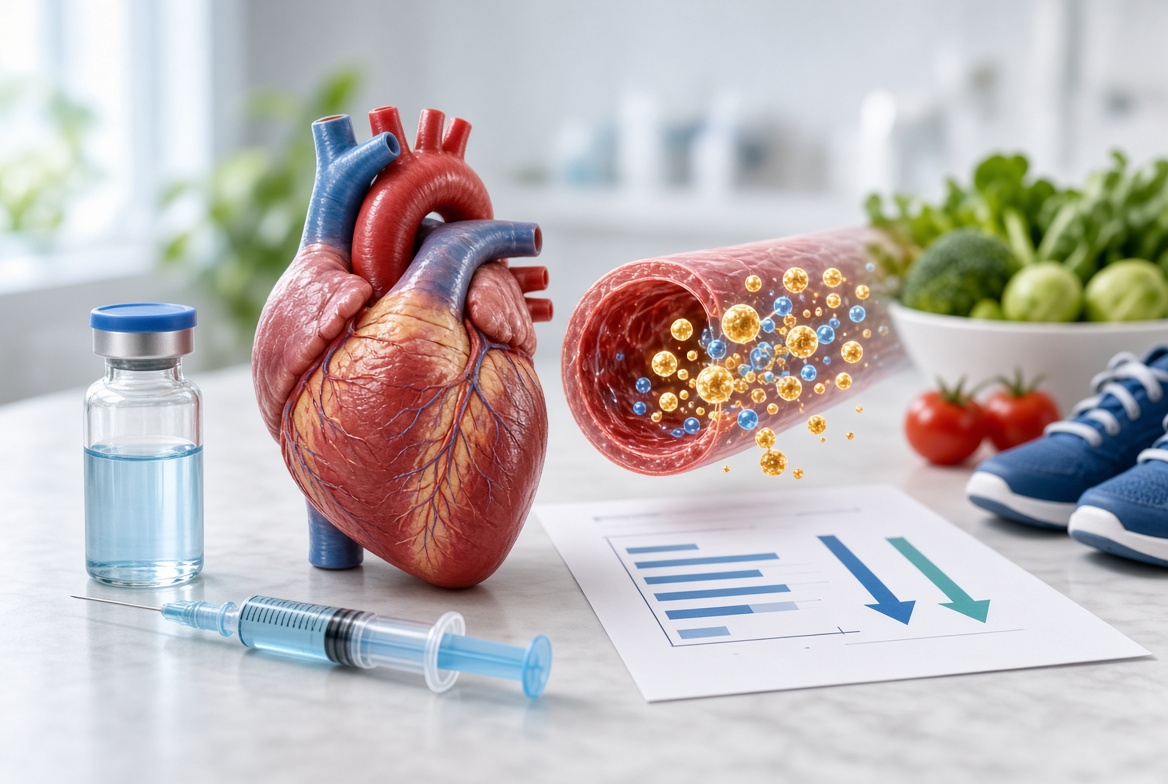 News
Best GLP-1s for High Cholesterol?: How and Why They Work
GLP-1 medications can improve cholesterol numbers, especially triglycerides, while cutting heart attack and stroke risk. Here’s how they work, which ones show the strongest lipid effects, and why they still need to be paired with proven cholesterol treatments.
10 November 2026
 News
Older adults need better blood pressure and cholesterol control to prevent cardiovascular disease
The leading cause of death in the elderly , the fastest growing segment of the population, is cardiovascular disease (CVD) . Prevention of cardiovascular events in elderly patients presents a therapeutic challenge…
23 April 2016
NewsEnzyme responsible for obesity-related high blood pressure identified
Obesity is a serious health problem affecting approximately one-third of the adult population in the United States. Obese individuals have an increased risk of diabetes and cardiovascular disease, including…