
Can we change society?

Key points
- Cardiovascular diseases (CVD) result from a negative interaction between genes, lifestyle and environment.
- The WHO states that civil society and nongovernmental organizations can help to ensure that consumers ask governments to provide support for healthy lifestyles and ask the food industry to provide healthy products.
- It is an Internet-based initiative that offers parents information and a say in matters that affect their children's physical activity and nutrition (e.g., advertising of junk food during prime time television hours).
- Although there is a need to invest in building the evidence base around the role of policy, and, in particular, finding the appropriate tools for evaluating a policy's impact, there is clearly a convergence of opinion that it is time to enact policies aimed at creating healthier social and physical environments.
Cardiovascular diseases (CVD) result from a negative interaction between genes, lifestyle and environment. To prevent CVD, it is necessary to influence the natural history of the disease development in an individual. While we cannot change our genes, we can do a lot to our lifestyles and environments. It is generally agreed that individuals alone should not be blamed for chronic diseases such as CVD, but that society also has its role and responsibilities. Governments, in cooperation with their stakeholders (e.g., industry, nongovernmental organizations, and health professionals), play a central role in creating an environment that empowers and encourages individuals, families, and communities to make positive, life-enhancing behaviour changes in terms of diet and patterns of physical activity. In addition to direct health policy and services, the responsibility of governments includes sectors that have a pivotal influence on health, such as agriculture, education, and transportation. Social determinants of health are also mediated by fiscal policy and employment opportunities. Consequently, it is imperative that the executive of the government, especially the head of the government, and the finance minister be involved in discussions that traditionally have been limited to matters of microeconomic reform inside the health portfolio. Commerce, industry, and labour traditionally have not been invited to the discussion, but should also be involved.
The WHO states that civil society and nongovernmental organizations can help to ensure that consumers ask governments to provide support for healthy lifestyles and ask the food industry to provide healthy products. Civil society is the key platform for mobilizing and actualizing associative behaviours designed to promote awareness, education, and advocacy for health. They advocate for representatives of business and commerce becoming involved in defining the problem, proposing solutions, and implementing those solutions, because a healthy workforce and market are central to these representatives' core business. Recently, it has also been noted that the power of the Internet in promoting what may be called the "globalization of associative behaviour" is important.
"Parents Jury" is a case in point. It is an Internet-based initiative that offers parents information and a say in matters that affect their children's physical activity and nutrition (e.g., advertising of junk food during prime time television hours). "GLOBALink", another Web site, passes on lessons from one generation of tobacco control advocates to the next, and "Patient View", a group that monitors and analyzes developments in health, communicates its findings with health and social campaigners via its electronic publication, HSCNews. The "People's Health Movement" is another "free association" that is working to influence social policy. Guided by a vision of "a world in which people's voices guide the decisions that shape our lives, The Peoples' Health movement leads the production of "Global Health Watch", the first alternative health report. This alternative report, which was started on the basis that civil society needs to produce its own global health report unfettered by political restrictions, challenges the relevance of the WHO World Health Reports.
Written and revised by
Gerald Hurowitz, M.D.
Our doctors write and review articles for accuracy and keep them up to date.
health.am provides general information, not medical advice. Always consult a qualified health professional about your own health.
Explore health topics
More in this topic
Heart & Blood Vessels → News
Cholesterol levels change with the seasons
Higher levels more common in winter The amount of artery-clogging cholesterol running through your veins may peak during the winter months. A new study shows that total cholesterol level may change with the seasons and…
22 November 2004
 News
Blood vessel changes predict high blood pressure
Structural changes in small blood vessels may precede the development of severe high blood pressure, findings from the Blue Mountains Eye Study in Australia indicate. Previous reports have suggested that structural…
10 August 2004
 Guide
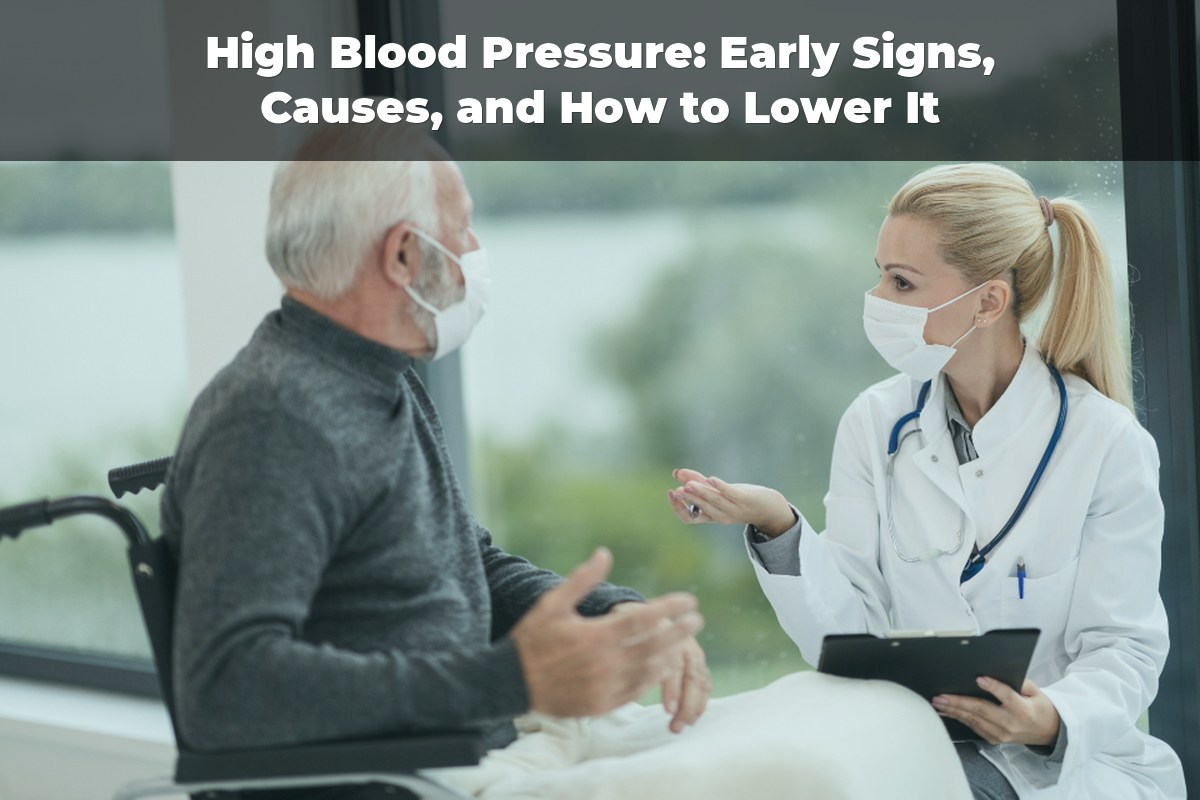
High Blood Pressure: Early Signs, Causes, and How to Lower It
Understanding these aspects can help you take control of your health and reduce the risk of complications.
11 November 2026


