Diagnostic Evaluation of Hypoglycemia
Key points
- When any child is believed to have hypoglycemia, a low blood glucose value is quickly confirmed with a test strip.
- Levels of IGFBP-1 can be of diagnostic value in differentiating hyperinsulinism from other hypoglycemic disorders.
- HAYMOND MW , SUNEHAG A: Controlling the sugar bowl: regulation of glucose homeostasis in children.
- If possible, adequate blood should be obtained to allow initial evaluation of plasma concentrations of hormones (insulin, C-peptide, cortisol, GH, IGF-I, IGF-II, and IGFBP-1) and substrates (β-hydroxybutyrate, lactate, ammonium, free fatty acids, amino acids, and free and total carnitine).
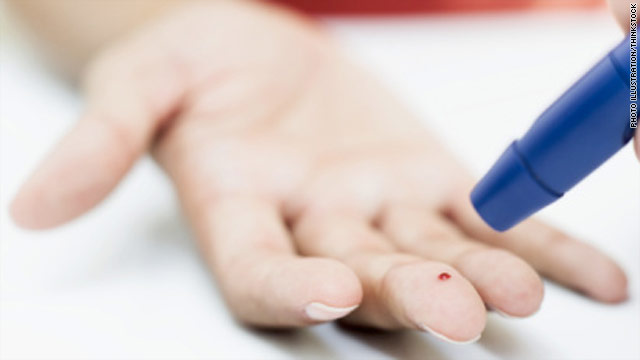
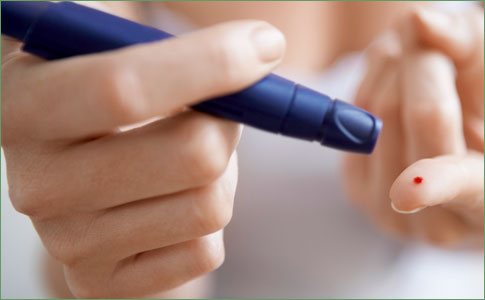
When any child is believed to have hypoglycemia, a low blood glucose value is quickly confirmed with a test strip. Sufficient blood always should be obtained before therapeutic intervention to confirm the diagnosis. Semiquantitative methods for estimating the concentration of glucose in the blood are useful for monitoring the condition of patients with suspected hypoglycemia.
Because these methods are not reliable when glucose concentration is less than 2.8 mmol/L (50 mg·dL-1), the diagnosis of hypoglycemia must rest on samples obtained in a quantitative analysis of plasma derived from blood placed in a tube containing NaFl (to inhibit erythrocyte glycolysis) and a method specific for glucose (most commonly, glucose oxidase).
If possible, adequate blood should be obtained to allow initial evaluation of plasma concentrations of hormones (insulin, C-peptide, cortisol, GH, IGF-I, IGF-II, and IGFBP-1) and substrates (β-hydroxybutyrate, lactate, ammonium, free fatty acids, amino acids, and free and total carnitine).
Historical factors helpful in defining the cause of hypoglycemia include the presence or absence of hypoglycemic symptoms at birth, age at onset, growth and development, frequency of hypoglycemic episodes, specific food intolerance or aversions, temporal relation to meals, family history, potential drug exposure, and unexplained infant death.
The findings from the history, physical examination, initial plasma sample (if available), and a provocative fast guide further testing. However, no elective fast is undertaken until the patient is shown to have normal plasma free and total carnitine concentrations because under most circumstances, fasting is contraindicated if carnitine level is low. Hypoglycemia in the face of relatively low plasma concentrations of ketone bodies, free fatty acids, or IGFBP-1 immediately focuses attention on abnormalities of insulin secretion. Hyperinsulinism is best documented with simultaneous measurement of plasma levels of glucose and insulin at times of hypoglycemia. Levels greater than 3 to 5 uU/mL when plasma level of glucose is less than 2.2 mmol/L (40 mg/dL) whether or not the patient is fed or fasted indicate the need for further studies to document hyperinsulinism. Intravenous glucagon (0.03 mg·kg-1, maximum 1 mg) at the time of hypoglycemia can be both therapeutic and diagnostic.
Also Check
{embed="db/static-menu-hypoglycemia2"} {embed="db/static-menu-hypoglycemia1"} A clear glycemic response (increase greater than 1 mmol/L or 15 to 20 mg/dL) over the first 10 to 20 minutes after administration of glucagon reflects inappropriate sequestration of hepatic glycogen and strongly suggests hyperinsulinemia or glucagon deficiency. When hyperinsulinemia is strongly suspected or proved, blood is obtained for DNA analysis to identify (1) any of the sulfonylurea receptor or potassium channel defects, (2) increased expression of IGF-II gene on chromosome 11p15.5 (Beckwith-Wiedemann syndrome), and (3) mutations of the glutamate dehydrogenase gene (suspected when hypoglycemia is associated with hyperammonemia). Levels of IGFBP-1 can be of diagnostic value in differentiating hyperinsulinism from other hypoglycemic disorders. During fast-induced hypoglycemia, IGFBP-1 concentration does not increase or increases minimally in children with hyperinsulinism. In healthy children and children with ketotic hypoglycemia, IGFBP-1 concentration increases severalfold.
Written and revised by
Andrey Nailor, M.D.
Our doctors write and review articles for accuracy and keep them up to date.
health.am provides general information, not medical advice. Always consult a qualified health professional about your own health.
Explore health topics
More in this topic
Diabetes & Hormones →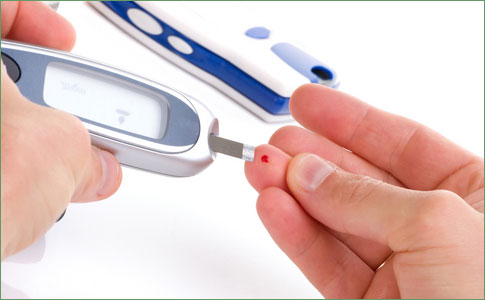 Guide
Factitious Hypoglycemia
Factitious Hypoglycemia Factitious hypoglycemia may be difficult to document. A suspicion of self-induced hypoglycemia is supported when the patient is associated with the health professions or has access to insulin or…
11 July 2007
 Guide
Alcohol-Related Hypoglycemia
Fasting Hypoglycemia after Ethanol During the postabsorptive state, normal plasma glucose is maintained by hepatic glucose output derived from both glycogenolysis and gluconeogenesis. With prolonged starvation, glycogen…
11 July 2007
 Guide
Drug-Induced Hypoglycemia
A number of drugs apart from the sulfonylureas can occasionally cause hypoglycemia, especially when ingested in large amounts. These include quinine, quinidine, disopyramide, and salicylates. ACE inhibitors, when taken…
11 July 2007