
TV Effective "Painkiller" for Kids
Key points
- TV really does act like a painkiller when it comes to kids, reveals a small study published ahead of print in the Archives of Disease in Childhood.
- The research team assessed 69 children between the ages of 7 and 12, who were randomly divided into three groups to have a blood sample taken.
- One group was given no distraction while the sample was being taken.
- And in the third group, the children were allowed to watch TV cartoons while the procedure was being carried out.
TV really does act like a painkiller when it comes to kids, reveals a small study published ahead of print in the Archives of Disease in Childhood.
The research team assessed 69 children between the ages of 7 and 12, who were randomly divided into three groups to have a blood sample taken.
One group was given no distraction while the sample was being taken. In the second group mothers attempted to actively distract their children by talking to them, soothing, and/or caressing them.
And in the third group, the children were allowed to watch TV cartoons while the procedure was being carried out.
None of the children was given any form of anaesthesia, and after the samples had been taken, all the children and their mothers then rated their pain scores.
The children recording the highest pain scores were in the group for whom no distraction had been provided. These scores were around three times as high as those recorded by children allowed to watch the TV cartoons.
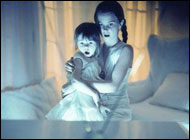
Middling scores were recorded by those children whose mothers had attempted to actively distract them while the sample was taken.
Although on average, the mothers rated pain scores higher than their children had done, and particularly for their own attempts at distracting their offspring, they nevertheless recorded the lowest pain scores for children who had been allowed to watch TV cartoons.
Pain is stressful for children, even when relatively minor procedures are involved, say the authors, who conclude that the passive distraction of TV is a more effective analgesic than active distraction. Watching TV also seems to increase children's pain tolerance, they add.
British Medical Journal
Written and revised by
Andrey Nailor, M.D.
Our doctors write and review articles for accuracy and keep them up to date.
health.am provides general information, not medical advice. Always consult a qualified health professional about your own health.
Explore health topics
More in this topic
Children's Health → News
Parent involvement can help kids get more active
Very few kids get the amount of physical activity they need every day, but a new study from Canada finds that parental support may be the key to getting kids moving. "Currently less than 10 percent of children…
11 January 2014
 News
Small changes in kids' fast food meal cut calories
Changes made last year to McDonald's Happy Meals selections for children may be helping kids to cut calories, according to a new study. "We were curious to know how diners might have changed what they were ordering in…
28 December 2013
 News
Behavioral therapy may treat migraines in kids, teens
Children and teens with chronic migraines may find headache relief when they pair medication with psychotherapy, according to a new study. Researchers found that kids who received cognitive behavioral therapy, a type of…
25 December 2013


