Supraglottic Cancers - supraglottic cancers treatment
Key points
- Important factors in selecting therapy for supraglottic cancers are tumor location and preepiglottic extension.
- Preepiglottic extension of cancer carries a poor prognosis.
- In any patient undergoing partial laryngectomy, preoperative consent should be obtained for total laryngectomy in case the surgical findings dictate that more extensive surgery is needed.
- The frequency of neck node metastases is high with T2 or greater tumors.
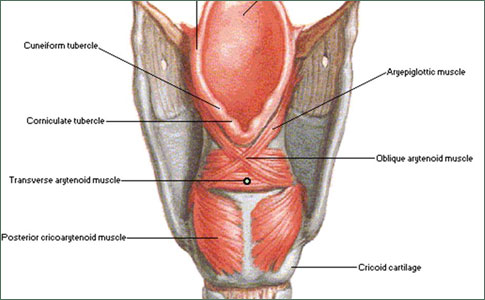
Important factors in selecting therapy for supraglottic cancers are tumor location and preepiglottic extension. Tumors limited to the suprahyoid epiglottis are amenable to radiation with fields that encompass neck regions at risk for lymphatic metastases. Additionally, some proponents of limited surgical interventions recommend endoscopic laser excision separate from management of the neck. An algorithm for early supraglottic cancers is shown in Figure 90-5. Tumors involving the aryepiglottic folds, pyriform sinuses, or infrahyoid epiglottis tend to be more aggressive, are deeply infiltrative, and frequently involve the preepiglottic space. Radiation alone is less effective than surgery, resulting in more frequent local recurrences that require surgical salvage. Often these recurrences are difficult to detect early enough to allow salvage by laryngeal conservation surgery and therefore require salvage total laryngectomy. Persistent postradiation edema of the supraglottic larynx is not uncommon and contributes to difficulty in detecting recurrence, which occurs in 40% to 50% of cases.
Preepiglottic extension of cancer carries a poor prognosis. However, such a situation can be managed effectively with horizontal supraglottic laryngectomy, which allows preservation of the voice. Indeed, even advanced tumors with extension of cancer to the vallecula and tongue base can often be treated by extended supraglottic laryngectomy with results equal to those of total laryngectomy. Very superficial tumors of the suprahyoid epiglottis can also be treated with simple epiglottectomy. Because supraglottic laryngectomy is associated with variable degrees of postoperative aspiration, adequate pulmonary status is a prerequisite for this surgery, as is intact mobility of the true vocal cords.
In any patient undergoing partial laryngectomy, preoperative consent should be obtained for total laryngectomy in case the surgical findings dictate that more extensive surgery is needed. Approximately 20% of patients require prolonged tracheostomy, and this is usually related to edema secondary to postoperative radiation. The rates of persistent swallowing difficulties are low, however, and the need for completion laryngectomy for persistent aspiration ranges only from 0% to 5%.
The frequency of neck node metastases is high with T2 or greater tumors. Treatment of the clinically negative neck may be accomplished with surgery or radiation. Surgical approaches should include removal of bilateral primary nodal groups at risk for occult disease (levels II, III, and IV). For T1 and T2 lesions, most authors demonstrate overall cure rates of 68% to 73% with determinate 3-year survival rates of 80% to 85% when elective neck dissection is included. Most recurrences occur in the neck, and this argues for prophylactic neck treatment.
Radiation is also effective for early lesions. Local control rates for patients with supraglottic tumors treated with radiation alone range from 68% to 94%, and survival rates are 50% to 89%. The latter set of survival figures are comparable to those for planned surgery and adjuvant radiotherapy, which range from 46% to 90%. While the figures are comparable for T1 and T2 lesions, there is a trend favoring the combined approach for larger lesions. Nonrandomized series from different institutions are not strictly comparable since unstated patient selection factors are generally involved. For example, the excellent local control results reported by Goepfert and colleagues for T3 and T4 lesions are for a selected set of tumors that were exophytic in nature. Survival rates tend to run lower than local control rates for supraglottic tumors because of deaths from second primaries and other intercurrent diseases. Cure rates range from 73% to 75% and increase to 80% to 85% with the addition of surgical salvage Most recurrences are local, and preservation of voice is successful in 65% to 70% of patients when salvage surgery is included.
Written and revised by
David Cohen, M.D.
Our doctors write and review articles for accuracy and keep them up to date.
health.am provides general information, not medical advice. Always consult a qualified health professional about your own health.
Explore health topics
More in this topic
Cancer → News
Scientists pave way for diamonds to trace early cancers
Physicists from the University of Sydney have devised a way to use diamonds to identify cancerous tumours before they become life threatening. Their findings, published today in Nature Communications, reveal how a…
10 October 2015
 News
Fungi may lead to cheaper cancer treatment: University of Guelph study
Cheaper anti-cancer drugs for humans might ultimately stem from a new study by University of Guelph scientists into a kind of microbial "bandage" that protects yew trees from disease-causing fungi. A new paper published…
25 September 2015
 News
New smart robot accelerates cancer treatment research
A new smart research robot accelerates research on cancer treatments. The new robot system finds optimal treatment combinations. Today Scientific Reports (Nature Publishing Group) is publishing an article about the…
23 September 2015