Stillbirths tied to secondhand smoke: study

Key points
- Pregnant women who live or work with smokers may be at slightly higher risk of having a stillbirth, suggests a study that adds to evidence that even secondhand smoke can harm unborn babies.
- Newborns also weighed a little less and had smaller heads if their mothers were passive smokers, Canadian researchers found.
- "This information is important for women, their families and healthcare providers," Dr.
- Secondhand smoke is thought to expose people to about one percent of the smoke that active smokers inhale.
Pregnant women who live or work with smokers may be at slightly higher risk of having a stillbirth, suggests a study that adds to evidence that even secondhand smoke can harm unborn babies.
Newborns also weighed a little less and had smaller heads if their mothers were passive smokers, Canadian researchers found.
"This information is important for women, their families and healthcare providers," Dr. Joan Crane of Eastern Health in St. John's and colleagues write in the BJOG: An International Journal of Obstetrics and Gynecology.
Secondhand smoke is thought to expose people to about one percent of the smoke that active smokers inhale. According to the researchers, "undiluted side-stream smoke contains many harmful chemicals and in greater concentration than cigarette smoke inhaled through a filter."
Those chemicals may harm the fetus in a variety of ways, for instance by restricting blood flow and possibly damaging the placenta.
Little is known about the risk of stillbirth in passive smokers, so Crane and her colleagues used a database of pregnant women from the Canadian provinces of Newfoundland and Labrador to shed light on the question.
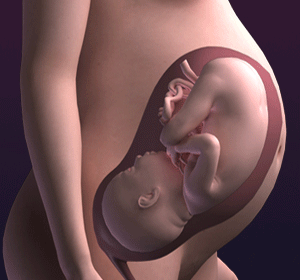
They also looked at other birth outcomes, such as head circumference, which has been linked to kids' intellectual development.
Of nearly 12,000 women in the database, 11 percent said they had been exposed to secondhand smoke.
The rate of stillbirth, in which the baby dies during the third trimester of pregnancy, was 0.83 percent in passive smokers and 0.37 percent in women who didn't breathe tobacco fumes.
That doesn't prove that smoke itself was the culprit, because other risk factors might be different between the two groups.
Yet when the researchers accounted for several of those, including age and the women's drinking and drug habits, passive smokers had more than three times the odds of stillbirth.
In other words, if smoke is indeed to blame, one extra baby would die in the womb for every 117 women exposed.
"This is huge," said Dr. Hamisu Salihu, an expert on stillbirth at the University of South Florida in Tampa. "We can now inform patients that exposure to secondhand smoke means they can lose their baby."
That link had not been firmly established until now, Salihu, who was not involved in the work, told Reuters Health.
{pagebreak}
On a global scale, the most common causes of stillbirth are complications during childbirth, infections like syphilis during pregnancy, health problems like high blood pressure or diabetes, fetal growth restriction - in which babies fail to grow at the proper rate - and birth defects.
Written and revised by
David Cohen, M.D.
Our doctors write and review articles for accuracy and keep them up to date.
health.am provides general information, not medical advice. Always consult a qualified health professional about your own health.
Explore health topics
More in this topic
Addiction → News
How graphic photos on cigarette packs help smokers consider quitting
A new study is the first to provide real-world evidence of the effectiveness of smoking warning labels that include graphic photos of the damage caused by regular tobacco use. Researchers found that smokers who saw…
22 December 2015
 News
Testing for secondhand marijuana exposure
With increased legalization of marijuana for medicinal and recreational purposes, interest is growing in the potential health effects of its secondhand smoke. A team now reports in ACS' journal Analytical Chemistry the…
29 October 2015
NewsSomething to chew on - millions of lives blighted by smokeless tobacco
More than a quarter of a million people die each year from using smokeless tobacco, researchers at the University of York have concluded. Millions more have their lives shortened by ill health due to the effects of…