
Shoe Fanatics -Latest Spring Trends Might be Better for Your Feet
Key points
- For most women, that question is a no-brainer when it comes to buying shoes.
- James Brodsky, M.D., orthopaedic foot and ankle surgeon on the medical staff at Baylor University Medical Center at Dallas and president of the American Orthopaedic Foot and Ankle Society, says that these types of shoes are actually better for your feet than previous styles, such as narrow-toe shoes and stiletto heels.
- "When shopping for shoes, make sure that your toes have plenty of room to wiggle around," says Dr.
- Brodsky says that low-heeled shoes, with a wide or open toebox, reduce the pressure on the front of the foot.
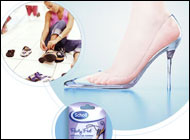
Comfort or fashion? For most women, that question is a no-brainer when it comes to buying shoes. But style-savvy women may have more foot-healthy and comfortable options this spring. According to the latest shoe trends, round-toe shoes are making a comeback as well as low heels, flat shoes and wedge heels.
James Brodsky, M.D., orthopaedic foot and ankle surgeon on the medical staff at Baylor University Medical Center at Dallas and president of the American Orthopaedic Foot and Ankle Society, says that these types of shoes are actually better for your feet than previous styles, such as narrow-toe shoes and stiletto heels.
"When shopping for shoes, make sure that your toes have plenty of room to wiggle around," says Dr. Brodsky. "If your toes are crammed into the toe of the shoe, as is the case with most narrow-toe heels, it can lead to foot deformities that may need to be corrected by surgery."
Dr. Brodsky says that low-heeled shoes, with a wide or open toebox, reduce the pressure on the front of the foot.
"The height of the heel makes a big difference in the pressure that you put on the ball of your foot," says Dr. Brodsky. "But even low-heeled shoes can cause problems if they do not fit properly. Over time, ill-fitting shoes can contribute to foot deformities."
Higher-heeled shoes such as stilettos can cause the foot to slip forward resulting in discomfort, blisters and possible toe injuries.
"If you're going to wear high heels, choose shoes with cushioning under the toes and ball of the foot," adds Dr. Brodsky.
As for keeping your ankles safe, look for shoes with a stable heel, such as current trends like wedges or wide-stacked heels.
"Flat or low-heeled shoes are a better option to reduce the pain of neuromas, bunions and hammertoes. It's best if they have a substantial amount of cushioning on the outer sole and the insole," adds Dr. Brodsky.
And last, but not least, Dr. Brodsky says that contrary to popular belief, there is no such thing as a "break-in" period.
"If the shoe doesn't fit, don't wear it. Don't force your feet to conform to the shape of a shoe."
Although style is a key consideration when choosing a pair of shoes, Dr. Brodsky wants women to know that the most important quality to look for is durable construction that will protect your feet and keep them comfortable.
"Believe it or not, fashionable shoes can be comfortable too," says Dr. Brodsky.
Shoe Shopping Tips
Dr. Brodsky gives the following tips that may be helpful when shopping for shoes this spring:
- Go shoe shopping at the end of the day. "Your feet are usually swollen and therefore larger after standing or sitting on them all day long."
Written and revised by
Gerald Hurowitz, M.D.
Our doctors write and review articles for accuracy and keep them up to date.
health.am provides general information, not medical advice. Always consult a qualified health professional about your own health.
Explore health topics
More in this topic
Women's Health → News
Hormones Soon After Menopause Do Not Affect Cognition
Menopausal hormone therapy (MHT) for up to 4 years after the last menstrual period did not improve cognition but did improve some mood symptoms, according to results of a study published online June 2 in PLOS Medicine.…
4 June 2015
 News
Vitamin D and calcium supplements do not improve menopausal symptoms
Women who took vitamin D and calcium supplements had the same number of menopausal symptoms as women who did not take the supplements, according to a study published today in Maturitas, the official journal of the…
2 June 2015
 News
Newer Contraceptive Pills Tied to Higher VTE Risk, Again
All contraceptive pills carry an increased risk for venous thromboembolism (VTE), but the newer ones are actually riskier, according to a combined population-based, nested case-control study published online May 26 in…




