U.S. herpes rates remain high: CDC
Key points
- About 16 percent of Americans between the ages of 14 and 49 are infected with genital herpes, making it one of the most common sexually transmitted diseases, U.S. health officials said on Tuesday.
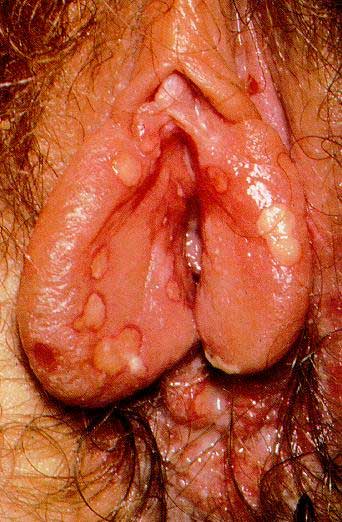
- HSV attacks the cells of the outer layer of skin so that blisters are formed.
- Black women had the highest rate of infection at 48 percent and women were nearly twice likely as men to be infected, according to an analysis by the U.S.
- About 21 percent of women were infected with genital herpes, compared to only 11.5 percent of men, while 39 percent of blacks were infected compared to about 12 percent for whites, the CDC said.
About 16 percent of Americans between the ages of 14 and 49 are infected with genital herpes, making it one of the most common sexually transmitted diseases, U.S. health officials said on Tuesday.
Black women had the highest rate of infection at 48 percent and women were nearly twice likely as men to be infected, according to an analysis by the U.S. Centers for Disease Control and Prevention.
About 21 percent of women were infected with genital herpes, compared to only 11.5 percent of men, while 39 percent of blacks were infected compared to about 12 percent for whites, the CDC said.
There is no cure for genital herpes, or herpes simplex virus type 2 (HSV-2), which can cause recurrent and painful genital sores and also increases the likelihood of acquiring and transmitting the AIDS virus. It is related to herpes simplex virus 1, or oral herpes, which causes cold sores.
Several drugs are available to treat herpes symptoms and outbreaks, including acyclovir, which is available generically or under the Zovirax brand name, and valacyclovir, known generically as Valtrex - both made by GlaxoSmithKline PLC . Ganciclovir, sold as Zirgan, is made by privately-held Sirion Therapeutics, Inc.
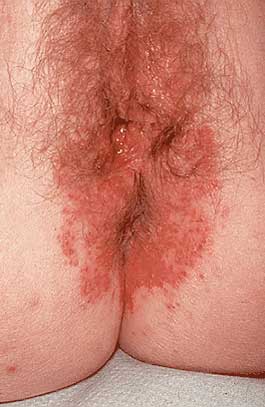
The CDC estimates that more than 80 percent of people with genital herpes do not know they are infected.
Genital herpes is a recurrent, lifelong skin infection caused by the herpes simplex virus (HSV). There are 2 types of HSV: herpes simplex virus type 1 (HSV-1) and herpes simplex virus type 2 (HSV-2). Genital herpes is usually caused by HSV-2 but can occasionally be due to HSV-1. Herpes lesions on the face, sometimes referred to as cold sores, are primarily due to HSV-1. HSV infections are contagious and are spread to other people by skin-to-skin contact with the infected area.
Both types of HSV produce 2 kinds of infections: primary and recurrent. Because it is so contagious, HSV causes a primary infection in most people who are exposed to the virus. However, only about 20% of people who are infected with HSV actually develop visible blisters or sores. Appearing 5–6 days after a person's first exposure to HSV, the sores of a primary infection last about 2–6 weeks. These sores heal completely, rarely leaving a scar. Nevertheless, the virus remains in the body, hibernating in nerve cells.
Certain triggers can cause the hibernating virus to wake up, become active, and travel back to the skin, causing a recurrent infection. These outbreaks tend to be milder than primary infections and generally occur in the same location as the primary infection. The frequency of recurrence is unpredictable and tends to become less over time.
"The message is herpes is quite common. The symptoms can be often very innocuous," Dr. John Douglas of the CDC said in a teleconference.
Written and revised by
David Cohen, M.D.
Our doctors write and review articles for accuracy and keep them up to date.
health.am provides general information, not medical advice. Always consult a qualified health professional about your own health.
Explore health topics
More in this topic
Sexual Health → News
Higher HIV risk in black gay men linked to partner choice, risk perception
Young black men who have sex with men (MSM) get infected with HIV nearly five times more often than MSM from other races, even though they don't have more unprotected sex. The discrepancy has long mystified public…
3 May 2011
 News
Genital herpes can spread despite lack of symptoms
People with genital herpes can still be contagious even if they don't have symptoms, according to a study that raises the question of whether all adults should be screened for the disease. Researchers found that people…
13 April 2011
NewsLegalizing child pornography is linked to lower rates of child sex abuse
Could making child pornography legal lead to lower rates of child sex abuse? It could well do, according to a new study by Milton Diamond, from the University of Hawaii, and colleagues. Results from the Czech Republic…