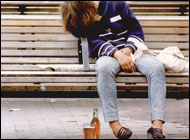
Men and women respond very differently to working long hours
Key points
- Researchers in the UK say that women who work long hours are more likely than men to snack, smoke, drink coffee and exercise less.
- A Leeds University team found men and women respond very differently to working long hours - with the greatest impact being on women.
- Daryl O'Connor, a researcher at Leeds University and his team studied the impact of stress on eating habits and looked at what causes stress at home and at work and how people react to it.
- They found that working long hours has a greater negative impact on women than men because it makes them more likely to smoke, drink coffee and eat unhealthy food, but both sexes were likely to increase their intake of unhealthy foods.
Researchers in the UK say that women who work long hours are more likely than men to snack, smoke, drink coffee and exercise less.
A Leeds University team found men and women respond very differently to working long hours - with the greatest impact being on women.
Dr. Daryl O'Connor, a researcher at Leeds University and his team studied the impact of stress on eating habits and looked at what causes stress at home and at work and how people react to it.
They found that working long hours has a greater negative impact on women than men because it makes them more likely to smoke, drink coffee and eat unhealthy food, but both sexes were likely to increase their intake of unhealthy foods.
The researchers say that this is probably a reaction to the stress of a demanding job and stress disrupts people's normal eating habits and causes them to opt for unhealthy high fat and high sugar snacks in preference to healthier food choices.
Long hours however appeared to have no negative impact on men's level of exercise, caffeine intake or smoking, but for both sexes long hours were associated with a reduction in alcohol consumption.
The study looked at stress caused by minor events, or difficulties both in and outside work, such as having an argument with a colleague or friend, a meeting with a boss, giving a presentation at work, or missing a deadline.
People who experienced one or more such events during the day reported consuming significantly more between-meal snacks than usual but fewer portions of vegetables, and a smaller main meal.
Dr O'Connor describes people who snack under stress as "emotional eaters" and says they have higher levels of vulnerability and resort to food when they feel anxious or emotionally aroused or negative about themselves.
They avoid confronting these 'negative' feelings by focusing their attention on food.
Other experts say men are less likely to be affected by working long hours because they are not expected to multi-task in the same way as women and as a rule do not have to face domestic chores when they get home and most working women would agree.
The study was funded by the Economic and Social Research Council.
Written and revised by
David Cohen, M.D.
Our doctors write and review articles for accuracy and keep them up to date.
health.am provides general information, not medical advice. Always consult a qualified health professional about your own health.
Explore health topics
More in this topic
Public Health →Short waits, long consults keep most patients very happy with their physicians
Patients overall in the United States are very satisfied with their physicians and with treatment they receive in outpatient settings, according to new information which challenges common public perceptions about…
25 November 2011