
Drop 10 percent of body weight in six months - new drug from UAB
Key points
- Qnexa is a combination of the appetite suppressant phentermine with the anti-seizure drug topiramate.
- Topiramate is time released and suppresses appetite as well as producing the perception of satiety (fullness) over time.
- The FDA advisory panel will review the research in the summer of 2010.
- Birmingham Alabama is one of the most obese cities in the United States.
Suzanne Oparil, MD, a professor of medicine, physiology, and biophysics and director of the vascular biology and hypertension program at the University of Alabama at Birmingham presented new research at the May 4, 2010 meeting of American Society of Hypertension that demonstrates a new drug called Qnexa suppresses appetite and lowers blood pressure.
Qnexa is a combination of the appetite suppressant phentermine with the anti-seizure drug topiramate.
Phentermine rapidly suppresses appetite. Topiramate is time released and suppresses appetite as well as producing the perception of satiety (fullness) over time. Qnexa also drops systolic blood pressure (the top number in a blood pressure measurement).
The results from the study of 4500 people show:
1) people who took the full dose of Qnexa once daily lost nearly 10% of their body weight; at six months,
2) people who took the medium dose of the pill lost 8% of their body weight at six months, and
3) people who took the lowest dose of the drug dropped about 5.1% of body weight at six months.
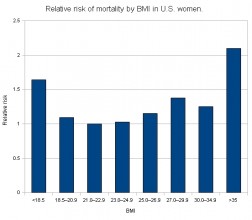
The drug is designed to treat obesity and the high blood pressure that usually accompanies obesity Candidates for Qnexa may include people with a BMI of 27 to 30
The FDA advisory panel will review the research in the summer of 2010. The review is usually the go ahead step for release to produce and market but it is not a guarantee. The two drugs are already FDA approved but a new review and approval is needed for the combination of the two drugs.
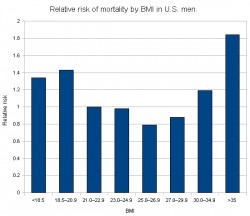
The phentermine is part of the "phen-fen" drug but the fen part of that drug was what caused high blood pressure in the lungs) and heart valve disease
Birmingham Alabama is one of the most obese cities in the United States. The approval of this drug could reduce federal and state costs for the treatment of obesity and the complications that come from obesity.
---
Paul Hamaker
Birmingham Science News Examiner
Written and revised by
Andrey Nailor, M.D.
Our doctors write and review articles for accuracy and keep them up to date.
health.am provides general information, not medical advice. Always consult a qualified health professional about your own health.
Explore health topics
More in this topic
Weight & Nutrition → News
Heavy bodyweight raises dementia risk in men
A link between body mass index (BMI) - a measure of weight in relation to height - and a hospital or death certificate diagnosis of dementia has been identified in a Swedish study. Drawing on data collected in the…
19 February 2005
 News
High blood pressure closely related to body weight
Being heavy goes hand-in-hand with having high blood pressure, especially for women, according to researchers. Dr. Yehonatan Sharabi, of the National Institutes of Health, in Bethesda, Maryland, and colleagues examined…
31 May 2004
 News
Overweight and obese type 2 patients show improvements with structured nutrition therapy
Researchers at Joslin Diabetes Center have announced the results of a study that may change how nutrition therapy is delivered to overweight and obese patients with type 2 diabete s. The "Nutrition Pathway Study"…




