Addiction is a brain disease - Treating Alcoholism
Key points
- The brain of someone addicted to alcohol is a changed brain.
- The alcohol is depressing the central nervous system, which the brain picks up as being abnormal, so the brain changes to counteract the drinking.
- Single Positron Emission Computerized Tomography (SPECT) scans are a way of looking how brain cells work.
- When the brain cells breakdown the glucose molecule to release energy, the radioactive isotope is released and can be captured using SPECT scan technology.
The brain of someone addicted to alcohol is a changed brain. The chronic use of any mood-altering chemical first chemically changes the brain as the cells respond to the poison by producing counteracting chemical compounds that reduce the effects on the cell. If the use continues, the brain changes in structure and, finally, it changes in genetics. In chronic alcohol abuse, the body produces chemical, structural, and genetic changes that do the opposite of what the drug is doing. Alcohol is a depressant, so the body produces chemicals, structures, and, finally, genetics to stimulate the brain.
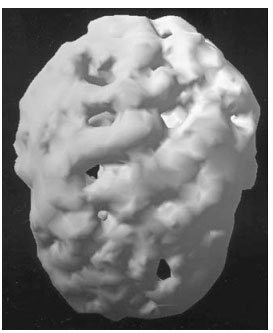
The alcohol is depressing the central nervous system, which the brain picks up as being abnormal, so the brain changes to counteract the drinking. Alcoholics lose brain cells, and professionals can use MRIs to see the loss of brain tissue by the widening of the spaces in the sulci and ventricles of the brain. Figures 2.1 and 2.2 show that the alcoholic's brain is smaller than the other female's brain.
Single Positron Emission Computerized Tomography (SPECT) scans are a way of looking how brain cells work. A radio isotope is attached to glucose and then injected in the patient's bloodstream. Glucose is what brain cells use to work much like a car uses gasoline to run the engine.
When the brain cells breakdown the glucose molecule to release energy, the radioactive isotope is released and can be captured using SPECT scan technology. This gives us a look at how the brain cells are functioning. As you can see from the images, alcohol abuse profoundly affects the functioning of the brain. Large areas of the brain are not working at all. Even after a year of sobriety the brain is clearing but it still is not working normally. This is why our patients need a recovery community to help them work a self-directed program.
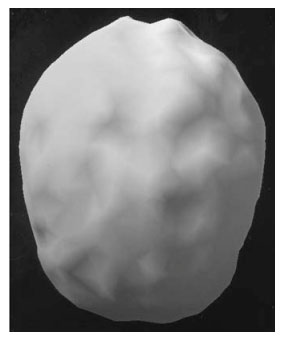
Figure 2.1 Single positron emission computerized tomography (SPECT) of a
normal brain. (Amen Clinics, Inc. A Medical Corporation.)
Society views alcoholics as responsible for their problems. To some extent, this is true. Like most of their peers, the alcohol abuser made the early choice to drink, but once addiction kicks in, choice is removed. The person must drink to feel normal. Twenty percent of alcoholics who try to quit drinking on their own without medical management die of alcohol withdrawal delirium. First, the person drinks to feel better; but after neuroadaptation has changed the brain, the patient must drink to live.
Alcohol and drugs change the brain and thereby produce uncontrollable, compulsive drinking. If the alcoholic stops drinking, he or she goes into a biochemical storm called withdrawal. Most addicts would prefer to stop using, but this proves to be very difficult- even impossible- without treatment. Almost all drugs activate the mesolimbic dopamine reward system in the brain.
Written and revised by
David Cohen, M.D.
Our doctors write and review articles for accuracy and keep them up to date.
health.am provides general information, not medical advice. Always consult a qualified health professional about your own health.
Explore health topics
More in this topic
Mental Health → Guide
Treating Alcoholism - Critical Concepts
The production of wine probably originated around 4000 to 6000 B.C. in the mountainous region between the Black and Caspian seas. Commercial wine production was well underway by 1500 B.C. (Courtwright, 2001). Alcohol is…
16 April 2011
 Guide
The Idea of Alcoholism as a Disease
After the initial views of the colonial physician Benjamin Rush on alcoholism as a disease, little was done to advance this idea, and the average person viewed the alcohol-dependent person as evil and depraved or weak.…
14 April 2011
 News
Training the brain to think ahead in addiction
The growing numbers of new cases of substance abuse disorders are perplexing. After all, the course of drug addiction so often ends badly. The negative consequences of drug abuse appear regularly on TV, from stories of…
28 January 2011