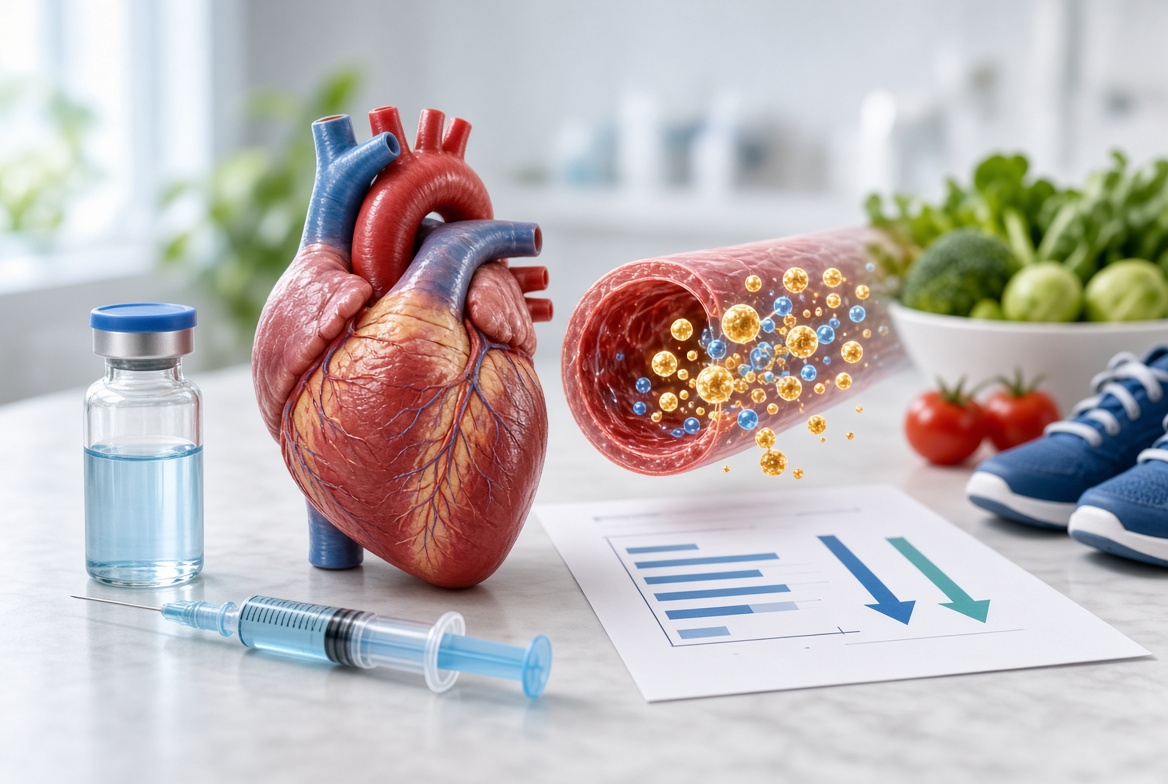
What is Atherosclerosis?

Key points
- Atherosclerosis (ath-er-o-skle-RO-sis) is the hardening and narrowing of the arteries.
- Atherosclerosis is a common disorder of the arteries.
- Atherosclerosis often shows no symptoms until flow within a blood vessel has become seriously compromised.
- Plaque is made up of fat, cholesterol, calcium, and other substances found in your blood.
Atherosclerosis (ath-er-o-skle-RO-sis) is the hardening and narrowing of the arteries. It is caused by the slow buildup of plaque (plak) on the inside of walls of the arteries. Arteries are blood vessels that carry oxygen-rich blood from the heart to other parts of the body.
Plaque is made up of fat, cholesterol, calcium, and other substances found in your blood. As it grows, the buildup of plaque narrows the inside of the artery and, in time, may restrict blood flow. Plaque can be:
- Hard and stable, or
- Soft and unstable.
Causes, incidence, and risk factors
Atherosclerosis is a common disorder of the arteries. Fat, cholesterol, and other substances accumulate in the walls of arteries and form "atheromas" or plaques.
Eventually, this fatty tissue can erode the wall of the artery, diminish its elasticity (stretchiness) and interfere with blood flow. Plaques can also rupture, causing debris to migrate downstream within an artery. This is a common cause of heart attack and stroke.
Clots can also form around the plaque deposits, further interfering with blood flow and posing added danger if they break off and travel to the heart, lungs, or brain. Many physicians now suspect that there is an immune system component to the problem (inflammation may help cause atherosclerosis).
When blood flow in the arteries to heart muscle becomes severely restricted, it leads to symptoms like chest pain.
Risk factors include smoking, Diabetes, obesity, high blood cholesterol, a diet high in fats, and having a personal or family history of heart disease. Cerebrovascular disease, peripheral vascular disease, high blood pressure, and kidney disease involving dialysis are also disorders that may be associated with atherosclerosis.
Hard plaque causes artery walls to thicken and harden. Soft plaque is more likely to break apart from the walls and enter the bloodstream. This can cause a blood clot that can partially or totally block the flow of blood in the artery. When this happens, the organ supplied by the blocked artery starves for blood and oxygen. The organ's cells may either die or suffer severe damage.
Atherosclerosis is a slow, progressive disease that may start in childhood. It can affect the arteries of the brain, heart, kidneys, and the arms and legs. As plaque builds up, it can cause serious diseases and complications. These include:
Written and revised by
Gerald Hurowitz, M.D.
Our doctors write and review articles for accuracy and keep them up to date.
health.am provides general information, not medical advice. Always consult a qualified health professional about your own health.
Explore health topics
More in this topic
Heart & Blood Vessels → News
How do GLP-1 medications impact heart health?
GLP-1 drugs cut the risk of heart attack, stroke, and certain forms of heart failure in major trials. Discover the mechanisms, key study results, and who benefits most from these heart-protective effects.
10 November 2026
 News
Coronary artery disease tests prompt patients toward healthier habits
UCLA researchers have found that undergoing a computer tomographic angiography was a better motivator to get people with suspected coronary artery disease to adopt healthier lifestyle practices than an exercise…
15 October 2016
 News
Global study shows diabetes and heart disease can be a deadly combination
The combination of type 2 diabetes and coronary artery disease can be deadly. New research from a global study led by a physician from UConn Health has found that patients with Type 2 diabetes admitted into the hospital…