Migraine sufferers who experienced childhood abuse have greater risk of cardiovascular disease

Key points
- Migraine sufferers who experienced abuse and neglect as children have a greater risk of cardiovascular (CV) disease including stroke and myocardial infarction (MI) among others, say scientists presenting data at the American Headache Society's 52nd Annual Scientific Meeting in Los Angeles this week.
- The American Headache Society® (AHS) is a professional society of health care providers dedicated to the study and treatment of headache and face pain.
- The American Migraine Foundation is a non-profit foundation supported by the American Headache Society and generous donors dedicated to the advancement of migraine research.
- The Childhood Trauma Questionnaire was used to assess physical, sexual, emotional abuse and physical, emotional neglect.
Migraine sufferers who experienced abuse and neglect as children have a greater risk of cardiovascular (CV) disease including stroke and myocardial infarction (MI) among others, say scientists presenting data at the American Headache Society's 52nd Annual Scientific Meeting in Los Angeles this week.
In a multi-center, cross-sectional study of more than 1,300 headache clinic patients diagnosed with migraine, investigators found a linear relationship between the risk of stroke, transient ischemic attack (TIA), MI, or all of these adverse outcomes and the total number of abuse types they experienced as children (physical, emotional or sexual abuse, or physical or emotional neglect.)
Patients in the study completed a self-administered electronic questionnaire which collected information on age, gender, race, highest educational level attained, body mass index, smoking status, history of childhood maltreatment, as well as self-reported physician-diagnosed CV conditions and risk factors such as hypertension, diabetes, obesity, and obstructive sleep apnea. The Childhood Trauma Questionnaire was used to assess physical, sexual, emotional abuse and physical, emotional neglect.
"It is clear from this work that early adverse experiences influence a migraine sufferers' cardiovascular health in adulthood," said Gretchen E. Tietjen, MD, of the University of Toledo College Of Medicine, who led the team from 11 neurology centers in the U.S. and Canada. "Other work has shown a link between childhood maltreatment and migraine and now we know that early abuse puts these adults at a greater risk of cardiovascular and cerebrovascular disease.
"Dr. Tietjen and her teams are pioneers in understanding the relationship between negative childhood experiences and migraine," said David Dodick, M.D., president of the AHS. "Now we need to drill even deeper to understand the relationship between migraine, aura status, childhood maltreatment and CV disease risk."
###
About the American Headache Society
The American Headache Society® (AHS) is a professional society of health care providers dedicated to the study and treatment of headache and face pain. The Society's objectives are to promote the exchange of information and ideas concerning the causes and treatments of headache and related painful disorders. Educating physicians, health professionals and the public and encouraging scientific research are the primary functions of this organization. AHS activities include an annual scientific meeting, a comprehensive headache symposium, regional symposia for neurologists and family practice physicians, publication of the journal Headache and sponsorship of the AHS Committee for Headache Education (ACHE). www.americanheadachesociety.org
About the American Migraine Foundation
Written and revised by
David Cohen, M.D.
Our doctors write and review articles for accuracy and keep them up to date.
health.am provides general information, not medical advice. Always consult a qualified health professional about your own health.
Explore health topics
More in this topic
Heart & Blood Vessels →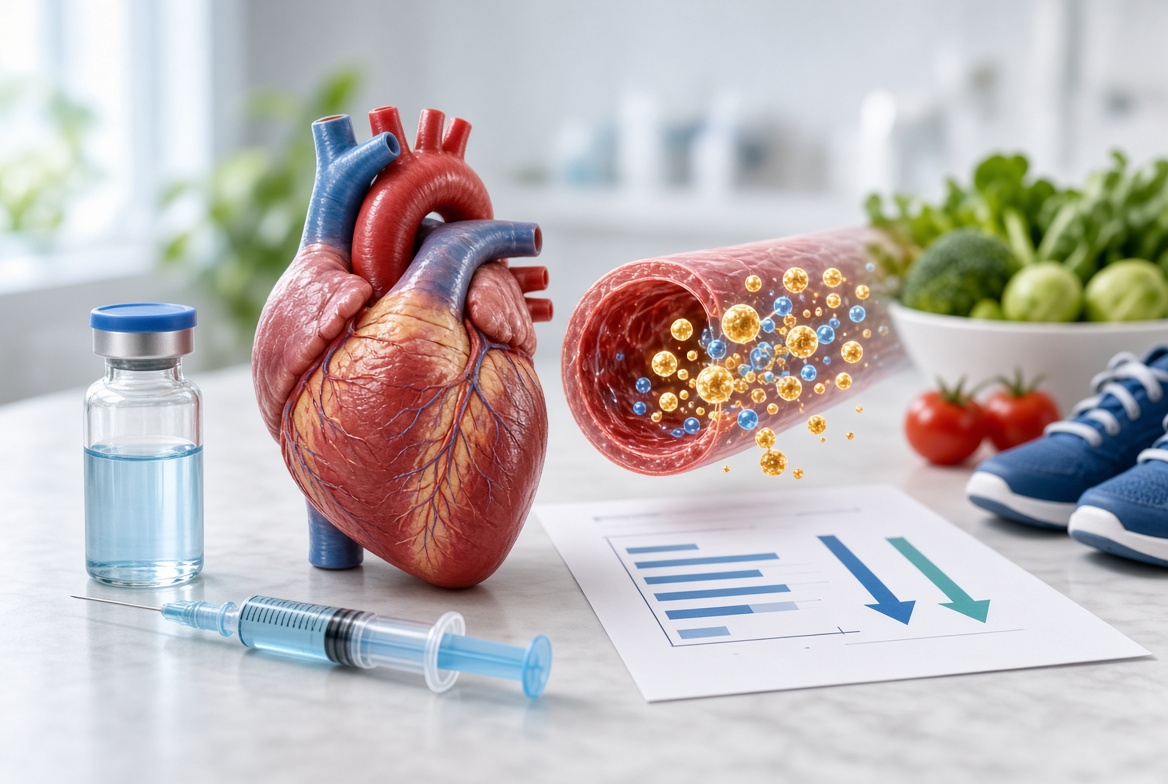 News
Best GLP-1s for High Cholesterol?: How and Why They Work
GLP-1 medications can improve cholesterol numbers, especially triglycerides, while cutting heart attack and stroke risk. Here’s how they work, which ones show the strongest lipid effects, and why they still need to be paired with proven cholesterol treatments.
10 November 2026
 News
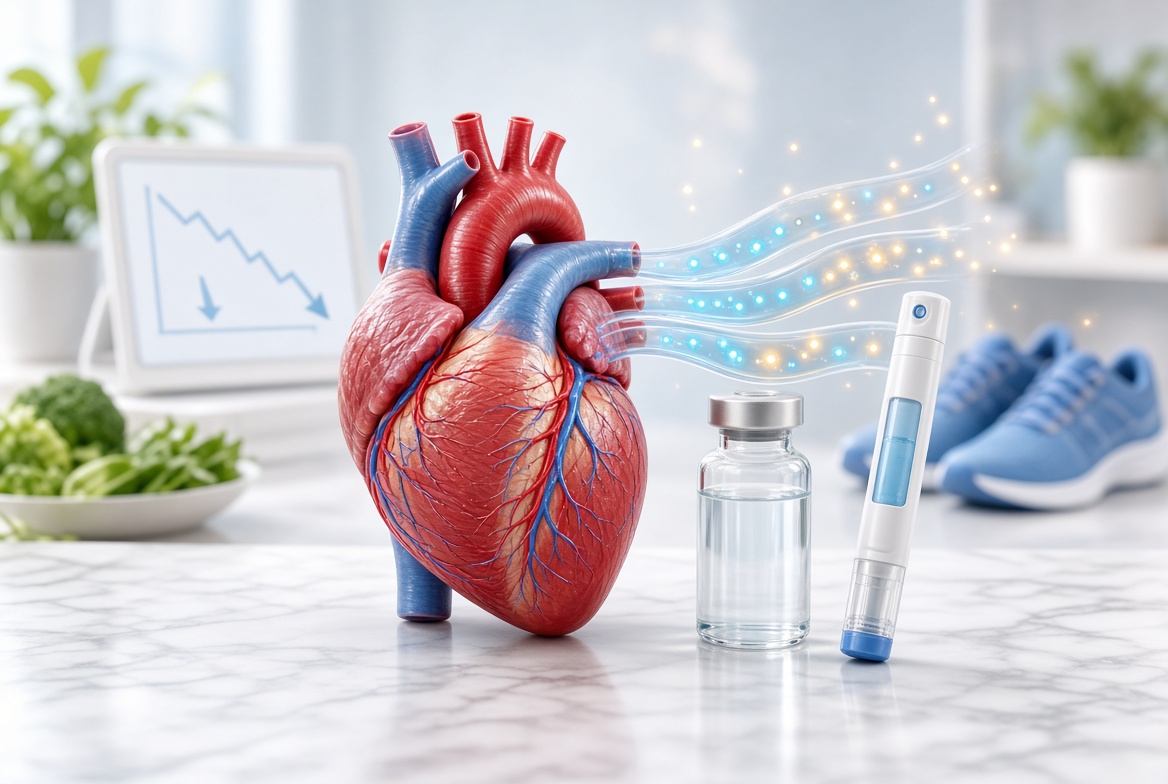
How do GLP-1 medications impact heart health?
GLP-1 drugs cut the risk of heart attack, stroke, and certain forms of heart failure in major trials. Discover the mechanisms, key study results, and who benefits most from these heart-protective effects.
10 November 2026
 News
Coronary artery disease tests prompt patients toward healthier habits
UCLA researchers have found that undergoing a computer tomographic angiography was a better motivator to get people with suspected coronary artery disease to adopt healthier lifestyle practices than an exercise…