Latest Cardiology Findings at AAC Meeting

Key points
- Leading cardiologists at NewYork-Presbyterian Hospital/Weill Cornell Medical Center are presenting new basic and clinical research findings at the 57th annual American College of Cardiology (ACC) meeting in Chicago, March 29 to April 1.
- Gotto, Jr., the Stephen and Suzanne Weiss Dean of Weill Cornell Medical College and a world-renowned expert in cardiovascular medicine, will take part in two panel discussions.
- ECLIPSE Trial: Ensure's Vascular Closure Device Speeds Homeostasis Late-Breaking Clinical Trails and Abstracts Press Event: Tuesday, April 1, 7:30 am [18891] Presentation: Tuesday, April 1, 11:30 am [18892] Authors: S.
- Wong, national principal investigator of the multicenter ECLIPSE trial, will present data showing that the wound closure device ExoSeal is safe and effective for catheterization procedures.
Leading cardiologists at NewYork-Presbyterian Hospital/Weill Cornell Medical Center are presenting new basic and clinical research findings at the 57th annual American College of Cardiology (ACC) meeting in Chicago, March 29 to April 1.
Among the presenters, Dr. Antonio M. Gotto, Jr., the Stephen and Suzanne Weiss Dean of Weill Cornell Medical College and a world-renowned expert in cardiovascular medicine, will take part in two panel discussions. The first session, titled "Conversations With Experts" (Sunday, March 30, 11:30 am - 1:00 pm), will focus on the importance of HDL and triglycerides. The second presentation (Monday, March 31, 12:00 pm - 2:00 pm) will center on aggressively treating LDL. Dr. Gotto is available to comment on these sessions and any other late-breaking news and findings presented at the conference, including the just-announced, official results from the significant ENHANCE trial.
Highlights from the symposium presentations and posters to be made by NewYork-Presbyterian/Weill Cornell physician-scientists include the following:
ECLIPSE Trial: Ensure's Vascular Closure Device Speeds Homeostasis
Late-Breaking Clinical Trails and Abstracts
Press Event: Tuesday, April 1, 7:30 am [18891]
Presentation: Tuesday, April 1, 11:30 am [18892]
Authors: S. Chiu Wong, et al.
Dr. Wong, national principal investigator of the multicenter ECLIPSE trial, will present data showing that the wound closure device ExoSeal is safe and effective for catheterization procedures. Following procedures such as angiograms and angioplasties, a hole is left in the artery. In order to close the artery and prevent bleeding, manual pressure is applied to the area and patients are required to lie, immobilized, for up to six hours, to ensure clotting. But now, new findings show that ExoSeal greatly reduces the time for clotting and shortens the time of patient immobilization. Subjects who received ExoSeal had no bleeding an average of 4.4 minutes following the placement of the device, compared to an average of 20 minutes in the group receiving traditional manual compression. ExoSeal subjects were able to move-around after an average of 2.5 hours post device deployment compared to the manual compression group who ambulated in an average of 6.2 hours. Additional advantages of the new ExoSeal device are its synthetic (non-animal based) composition, which is non-reactive within the body. Other older devices are sometimes animal-based and might be painful when deployed within the body. Dr. Wong is a paid consultant of Cordis Corporation/Johnson & Johnson, which sponsored the research.
Impact of Drug-Eluting Versus Bare-Metal Stents on Long-Term Mortality in Real-World Clinical Practice [2901-10]
Moderated Poster Session I: Saturday, March 29, 1:30 pm - 1:36 pm
Written and revised by
Andrey Nailor, M.D.
Our doctors write and review articles for accuracy and keep them up to date.
health.am provides general information, not medical advice. Always consult a qualified health professional about your own health.
Explore health topics
More in this topic
Heart & Blood Vessels → Guide
High Blood Pressure: Early Signs, Causes, and How to Lower It
Understanding these aspects can help you take control of your health and reduce the risk of complications.
11 November 2026
 News
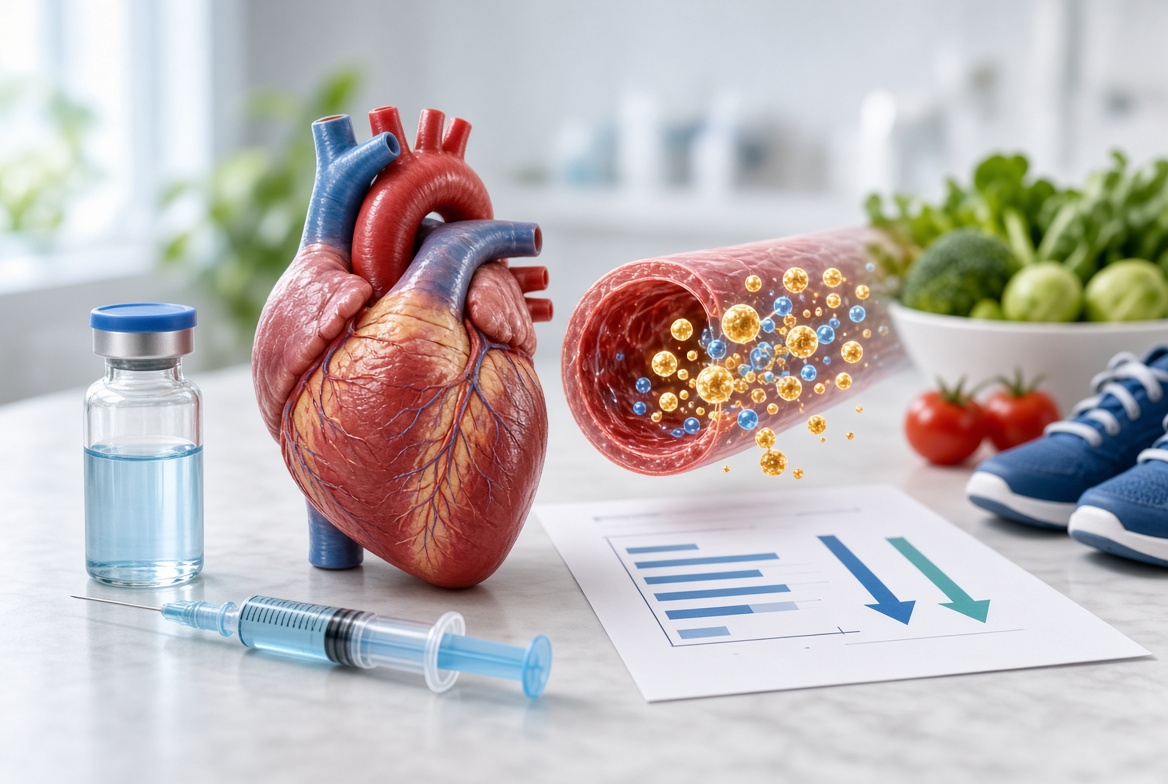
Best GLP-1s for High Cholesterol?: How and Why They Work
GLP-1 medications can improve cholesterol numbers, especially triglycerides, while cutting heart attack and stroke risk. Here’s how they work, which ones show the strongest lipid effects, and why they still need to be paired with proven cholesterol treatments.
10 November 2026
 News
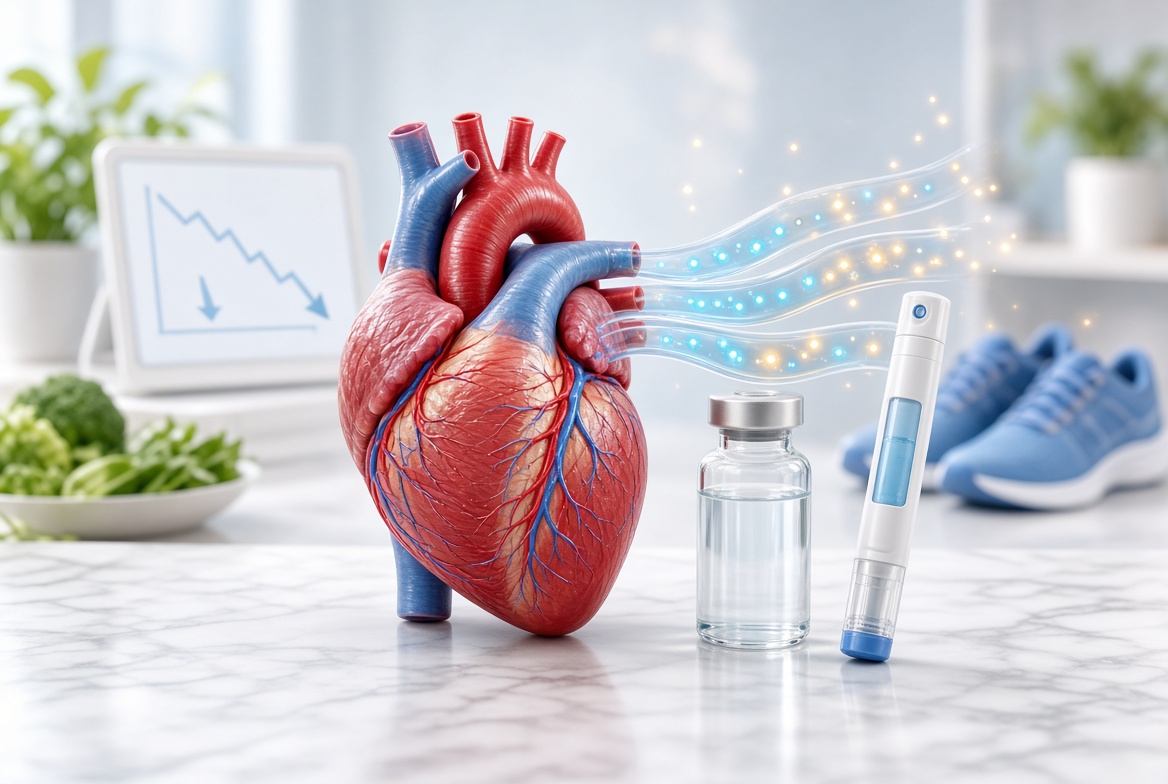
How do GLP-1 medications impact heart health?
GLP-1 drugs cut the risk of heart attack, stroke, and certain forms of heart failure in major trials. Discover the mechanisms, key study results, and who benefits most from these heart-protective effects.
10 November 2026