Global Cardiovascular Disease: An Expanding Burden with Expanding Solutions
Key points
- Historically, in a country such as India, the vast majority of the population suffered from malnutrition and acute diseases, especially infectious diseases.
- As used herein, cardiovascular disease refers to any abnormal condition characterized by dysfunction of the heart and blood vessels.
- Cardiovascular disease is among the leading causes of morbidity and mortality globally.
- Because of the lack of resources and research, however, data related to cardiovascular disease in lower- to middle-income countries are scarce.
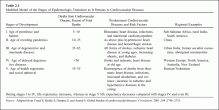
Historically, in a country such as India, the vast majority of the population suffered from malnutrition and acute diseases, especially infectious diseases. Chronic diseases, or "diseases of excess," were not prevalent. In the 21st century, fast-food restaurants abound, with obesity and diabetes becoming symbols of prosperity in Indian society.[1] However, it is not only in rapidly developing countries, such as India, where cardiovascular disease and its predisposing conditions are problematic. Globally, chronic conditions have surged, especially cardiovascular diseases.
As used herein, cardiovascular disease refers to any abnormal condition characterized by dysfunction of the heart and blood vessels. Cardiovascular disease includes atherosclerosis (especially coronary heart disease, which can lead to heart attacks), cerebrovascular disease (stroke), and hypertension (high blood pressure).
Cardiovascular disease is among the leading causes of morbidity and mortality globally. In 2004, according to the World Health Organization (WHO), 17.1 million people died from cardiovascular disease, which represented 29 percent of global deaths. By 2010, cardiovascular disease is predicted to be the leading cause of death in developing countries.[2] Hypertension, hyperlipidemia, obesity, and diabetes are among the known risk factors for cardiovascular disease and, together, these conditions have been referred to as the "diseases of affluence" or "Western diseases." As life expectancy increases worldwide, more people in the developing world are living long enough to develop these chronic diseases, a process accelerated by the spread of inexpensive, high-fat, high-caloric foods.
Much more information is known about cardiovascular disease in the developed world and significant improvements have been achieved, with cardiovascular deaths decreasing by 24.7 percent from 1994 to 2004 in the United States.[3]
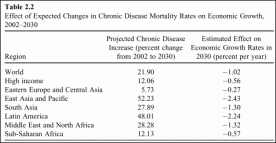
Because of the lack of resources and research, however, data related to cardiovascular disease in lower- to middle-income countries are scarce. What information is available is mostly extrapolated from data based on countries in the Western Hemisphere. It is known that a disturbing trend is developing with low-income countries and low-middle-income countries experiencing large increases in therates of obesity, hypertension, diabetes, hyperlipidemia, and subsequent cardiovascular disease.
{embed="ref/stat-menu-global-cd}
Cardiovascular disease stems not only from individual biological characteristics, but also from environmental conditions and behavioral attributes. For example, people living in economically deprived areas have a 65 percent increase in death from cardiovascular disease compared with those in the most affluent areas, suggesting that lower socioeconomic class is one possible predictor of cardiovascular disease.[4] A retrospective cohort study of mortality was carried out on 3,360 patients who attended Glasgow Blood Pressure Unit between 1991 and 2000, followed for a mean period of 8.1 years. The study found that residents of the most deprived areas had a hazard ratio for all-cause mortality of 1.46 (95 percent confidence interval 1.04, 2.04). Adjusted hazard ratio for death from cardiovascular disease in the most deprived areas was 1.65 (95 percent confidence interval 1.04, 2.60) compared with those from the most affluent areas.
Written and revised by
David Cohen, M.D.
Our doctors write and review articles for accuracy and keep them up to date.
health.am provides general information, not medical advice. Always consult a qualified health professional about your own health.
Explore health topics
More in this topic
Heart & Blood Vessels → News
U of M researchers find natural antioxidant can protect against cardiovascular disease
University of Minnesota Medical School researchers have collaborated with the School of Public Health and discovered an enzyme that, when found at high levels and alongside low levels of HDL (good cholesterol), can…
18 June 2012
NewsResearchers develop a 'time bomb' to fight cardiovascular disease
In Switzerland, more than 20,000 people (37% of all deaths) die of cardiovascular disease caused by atherosclerosis each year. Treatment options are currently available to people who suffer from the disease but no drug…
11 June 2012
 News
Air pollution level changes in Beijing linked with biomarkers of cardiovascular disease
During the 2008 Beijing Olympics, changes in air pollution were associated with changes in biomarkers of systemic inflammation and thrombosis (formation of blood clot) as well as measures of cardiovascular physiology in…