
Dental hygiene
Key points
- It's important to brush at least twice a day using a soft toothbrush.
- Just as it's important to start early with good hygiene habits, it's also important to get your child to a dentist for check-ups at an early age – preferably by his first birthday, but not later than his second.
- Fluoride hardens the outer enamel layer of the teeth.
- Angle the bristles of the brush along the gumline at a 45-degree angle.
Dental hygiene isn't just for people with teeth!
Proper tooth brushing involves four things:
- A soft toothbrush
- Toothpaste with fluoride
- The correct brushing angle
- Brushing in a pattern
It's important to brush at least twice a day using a soft toothbrush. The flexible bristles of a soft toothbrush are gentler on the gums, and make it much easier to remove the plaque below the gumline, where periodontal disease starts.
Use a toothpaste that contains fluoride. Fluoride hardens the outer enamel layer of the teeth. It might stop a cavity in its tracks and give you more resistance to future cavities.
Angle the bristles of the brush along the gumline at a 45-degree angle. Apply firm but gentle pressure so the bristles slide under the gumline.
Move the brush over the entire surface of two or three teeth at a time in small, circular motions. Allow some overlap as you move to the next teeth. Tilt the brush and use the tip to brush the backs of the front teeth.
It's fine to brush in any regular pattern you choose, but since the insides of the teeth tend to get less attention, you might start with the insides of the upper teeth, then go to the insides of the lower teeth. Switch to the outsides of the upper teeth, and then the outsides of the lower teeth. Brush the chewing surfaces of the upper teeth, then the lower teeth. End by gently brushing your tongue and the roof of your mouth. This removes germs to help keep your breath fresh.
Don't Overlook Your Baby's Teeth - Even if You Can't See Them Yet!
You can start your child on his way to a great smile for a lifetime by regularly cleaning his mouth when he's an infant.
Begin by gently wiping his gums with a clean, wet wash cloth or gauze after he has a feeding. Infants are very focused on their mouth, and he should enjoy this touching. As he starts to sprout teeth, the feeling of the wet wash cloth on his itchy, irritated gums will be very soothing. Wiping his gums will help eliminate decay-causing bacteria, and will help him get used to having his teeth brushed later on.
Once he has a tooth, between 6-12 months, you can introduce an infant toothbrush. Make sure it has soft, rounded bristles so it won't scratch his gums. Brushing with just water is fine, but if your dentist recommends toothpaste, use a very small amount – about the size of a pea. Babies usually enjoy the flavor of toothpaste and often swallow it, and ingestion of fluoride can cause problems over time.
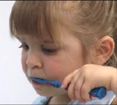
Brush his teeth after every feeding, and again at bedtime. By now he should enjoy the feeling of having his gums massaged and his teeth cleaned!
Written and revised by
David Cohen, M.D.
Our doctors write and review articles for accuracy and keep them up to date.
health.am provides general information, not medical advice. Always consult a qualified health professional about your own health.