Cosmetic Dentistry-Smile Dentistry
Key points
- It is dentistry that enhances, improves or changes the appearance of your teeth.
- Most people wish that they had straight, beautifully aligned, sparkling white teeth.
- The term cosmetic dentistry is a little misleading because some procedures that fall under this term are not strictly performed for cosmetic purposes.
- There are different types of cosmetic dentistry, which can transform disfigured or stained teeth into a brand new smile.
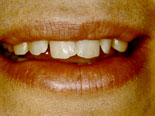
What is cosmetic dentistry? It is dentistry that enhances, improves or changes the appearance of your teeth. Your appearance is very important. People place judgements on you based on the way you look. What you look like is not only how you dress, but also what your teeth look like when you smile. When you talk to someone, that person will focus on your face - eyes and teeth. They will form opinions about you based on what they see. If you have a natural looking mouth, teeth and smile people will notice that fact. If you have visible cavities, unsightly defective fillings, gum disease, crooked or misshapen teeth, people will notice that too. And their impression of you will be affected. The judgement based on your appearance may be superficial and not who you really are. But it will affect how people think of you.
The term cosmetic dentistry is a little misleading because some procedures that fall under this term are not strictly performed for cosmetic purposes. A fixed bridge, for example, may be used to correct a bite problem rather than repair stained or chipped teeth. Cosmetic dentistry can have beneficial health as well as psychological benefits. After all, when you look good, you feel good. Your smile is an important part of your being.
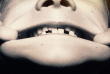
Here is a partial list of dental procedures that you can have that can improve the way your teeth look when you talk or smile:
- replace discolored fillings in front teeth
- whiten teeth to a lighter/whiter color
- straighten crooked teeth with orthodontic treatment
- recontouring of your teeth
- closing up spaces between teeth
- porcelain or resin veneers to change the shape and alignment of teeth ("bonding")
- placing tooth colored fillings in back teeth instead of silver fillings
- porcelain or resin inlays and onlays for back teeth
- cosmetic periodontal surgery to even out gum tissue that is crooked
- restoration of worn and short teeth to their proper shape
- filling in tooth brush abrasion notches
- replacing missing teeth with bridges or implants
- replacing defective and unsightly old crowns (caps)
- cover stained dentin
- remove stained fracture lines from enamel
- restore chipped teeth (bonding)
- make teeth longer
- make teeth shorter
There are different types of cosmetic dentistry, which can transform disfigured or stained teeth into a brand new smile. If a tooth has

unsightly stains it can be whitened. This procedure may take several visits to the dentist, but the results are remarkable for certain types of stains and will not undermine healthy tooth structure. Bonding is also a rather conservative form of restoration, and can allow your dentist to correct a wide range of problems from shape to color simply and effectively. Bonding is a one step process, which can last several years. Bonding however is more susceptible to staining or chipping than other forms of restoration may be.
Written and revised by
David Cohen, M.D.
Our doctors write and review articles for accuracy and keep them up to date.
health.am provides general information, not medical advice. Always consult a qualified health professional about your own health.
Explore health topics
More in this topic
Eyes, Ears & Teeth →Metformin use associated with reduced risk of developing open-angle glaucoma
Taking the medication metformin hydrochloride was associated with reduced risk of developing the sight-threatening disease open-angle glaucoma in people with diabetes, according to a study published online by JAMA…
29 May 2015