Rectal Prolapse and Solitary Rectal Ulcer Syndrome
Key points
- Rectal prolapse involves the protrusion of the rectum through the anal orifice with procidentia or complete prolapse, which is the common scenario, where all layers of the rectum visibly descend through the anal canal (19).
- In adults, rectal prolapse occurs 3 to 10 times more frequently in women, usually in the sixth and seventh decades of life, and is not associated with multiparity.
- Flexible sigmoidoscopy is generally performed to rule out other mucosal lesions such as malignancy or associated solitary rectal ulcer syndrome (SRUS).
- Complete procidentia should be surgically corrected to avoid complications and ongoing damage to the pelvic floor and anal sphincter muscles.
Rectal prolapse involves the protrusion of the rectum through the anal orifice with procidentia or complete prolapse, which is the common scenario, where all layers of the rectum visibly descend through the anal canal (19). Rectal prolapse can be occult where internal intussusception of the rectal tissue occurs without visible protrusion (2). In mucosal prolapse, the distal rectal tissues and not the entire rectal circumference protrude through the anal orifice.
In adults, rectal prolapse occurs 3 to 10 times more frequently in women, usually in the sixth and seventh decades of life, and is not associated with multiparity. It is often associated with chronic straining of stool, poor tone of the pelvic muscles, fecal incontinence, and occasionally neurologic disease or traumatic damage to the pelvis. Protrusion of the rectal tissue is a striking clinical sign of complete procidentia heralded by the presence of concentric, red, mucosal folds with a palpable double thickness to the rectal wall tissue. Accompanying symptoms include straining with defecation and tenesmus. The rectum may protrude extensively with the lumen tip pointing slightly posteriorly.
Flexible sigmoidoscopy is generally performed to rule out other mucosal lesions such as malignancy or associated solitary rectal ulcer syndrome (SRUS). Video defecography is the best way to identify occult prolapse and may show failure of relaxation of the puborectalis muscle, changes in the anorectal angle, and mucosal abnormalities with internal prolapse.
Complete procidentia should be surgically corrected to avoid complications and ongoing damage to the pelvic floor and anal sphincter muscles.
Conservative management with perineal muscle exercises, buttock strapping, and biofeedback training may offer palliation in patients who are unable or refuse to undergo surgery. Surgical management involves the replacement of the rectum into the sacral hollow with or without resection of redundant rectosigmoid colon, which can be carried out with a Ripstein procedure (anterior sling rectopexy).
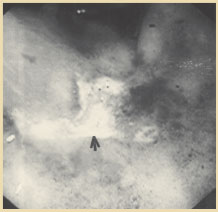
Figure 3. Endoscopic appearance of solitary rectal ulcer in a patient with rectal prolapse. Reprinted with permission from Gopal DV, Young C, Katon RM.
Solitary rectal ulcer syndrome presenting with rectal prolapse, severe mucorrhea and eroded polypoid hyperplasia: case report and review of the literature. Can J Gastroenterol. 2001;15:479 - 483.
This common procedure involves mobilization of the rectum to the tip of the coccyx and attachment of the rectum to the presacral fascia by a nonabsorbable plastic mesh.
SRUS is a benign condition that affects the rectum and usually presents in women during the third and fourth decades of life . SRUS pursues a chronic course of constipation, mucorrhea-associated rectal prolapse, rectal bleeding, and tenesmus. The etiology of this syndrome is thought to be associated with either overt rectal prolapse or internal intussusception. During defecation, excessive straining forces the anterior rectal mucosa downward against the unyielding pelvic floor, causing trauma and focal ischemia to the mucosa.
Written and revised by
Gerald Hurowitz, M.D.
Our doctors write and review articles for accuracy and keep them up to date.
health.am provides general information, not medical advice. Always consult a qualified health professional about your own health.
Explore health topics
More in this topic
Digestive Health → News
Probiotic identified to treat ulcers
Researchers from Spain have identified a strain of probiotic bacteria that may be useful in treating ulcers caused by Helicobacter pylori. They report their findings in the February 2011 issue of the journal Applied and…
25 February 2011
NewsNew study identifies potential vaccine to prevent gastritis, ulcer disease, gastric cancer
A new study led by researchers at Rhode Island Hospital in collaboration with the University of Rhode Island (URI) and EpiVax. Inc, a privately owned vaccine development company in Providence, RI, has identified a…
3 February 2011
NewsResearchers Discover How Worms May Soothe Ulcerative Colitis
A new study involving a man who swallowed worm eggs to relieve symptoms of ulcerative colitis sheds light on how worms promote healing in the intestine. The study, published today in Science Translational Medicine, also…