Gerald Hurowitz, M.D.·Published 2 June 2010·10 min read
Key points
In the past, it was common for women with diabetes who became pregnant to experience serious problems, such as miscarriage, stillbirth, or a baby with birth defects.
When you decide to start a family, the first step is to meet with your health care team to consider the specific challenges you face.
Today, it is very common for women with diabetes - either type 1 or type 2 - to have safe and healthy pregnancies.
Although women with diabetes and their unborn children face additional risks because of diabetes, these can be kept to a minimum through careful blood glucose management, before and during pregnancy, and intensive obstetrical care.
In the past, it was common for women with diabetes who became pregnant to experience serious problems, such as miscarriage, stillbirth, or a baby with birth defects. Today, it is very common for women with diabetes - either type 1 or type 2 - to have safe and healthy pregnancies. Although women with diabetes and their unborn children face additional risks because of diabetes, these can be kept to a minimum through careful blood glucose management, before and during pregnancy, and intensive obstetrical care. For this reason, all women with diabetes need to plan ahead before becoming pregnant.
Before You Become Pregnant
When you decide to start a family, the first step is to meet with your health care team to consider the specific challenges you face. You may be concerned that your baby could develop diabetes. You may be worried for your own health. It's important to get a good idea of how much extra work and expense may be involved before you become pregnant. Your glucose levels may also be an issue: The mother's blood glucose is directly related to the risks to the growing baby. You also need a complete evaluation of your overall health and to check for any complications from diabetes. Because your diabetes management may change, meeting with a dietitian or diabetes educator will help.
Genetics. Whether you are a potential mother or father with diabetes, you may have concerns about your child someday developing diabetes. The best time to assess the genetic risk of your child developing diabetes is before pregnancy.
Type 1 diabetes is caused by an autoimmune attack on the pancreas that destroys the insulin-producing cells. A child born to a parent who has type 1 diabetes is at slightly greater risk of developing type 1 diabetes than children of parents without diabetes. The risk is slightly higher when the father has type 1 diabetes. Researchers have identified genes that could play a role in type 1 diabetes. But it is not yet clear what percentage of children who inherit a "diabetes" gene go on to develop diabetes or what environmental factors are also involved.
{embed="ref/stat-menu-diabetes5"}
If a baby is born to a mother who is age 25 or older and has type 1 diabetes, that baby has a 1 percent risk of developing diabetes. If the mother is younger than age 25 at the time the child is born, the risk increases to about 4 percent. If the father has type 1 diabetes, the risk for the child of developing diabetes is about 6 percent. Each of these risks is doubled if the parent with type 1 diabetes developed it before the age of 11. If both parents have type 1 diabetes, the risk is not known but is probably somewhat higher. A child born to parents who do not have diabetes has a 0.3 percent risk of developing the disease.
Development of type 2 diabetes seems to depend on both genetic and lifestyle factors. Type 2 diabetes tends to run in families. Research on families with type 2 diabetes shows that you can inherit genes that increase your tendency to develop type 2 diabetes. Studies of twins have shown that genetics play a very strong role in whether a person develops diabetes, especially type 2 diabetes. Obesity also tends to run in families, and families tend to have similar eating and exercise habits.
Written and revised by
Gerald Hurowitz, M.D.
Our doctors write and review articles for accuracy and keep them up to date.
health.am provides general information, not medical advice. Always consult a qualified health professional about your own health.
"My sister with diabetes had a baby, and it nearly killed her. It's just not a safe thing to do."
Women with diabetes can and do have healthy babies all the time. It doesn't cost them their lives or health, either. The survival rate for pregnancy is no different between women with and without diabetes, as long as the woman with diabetes takes care to practice tight blood glucose management and treats any diabetes compli- cations before becoming pregnant. And chances are excellent that her baby will be just as healthy as a baby born to a mother without diabetes.
But there are risks. High glucose levels early in pregnancy may cause miscarriage or improperly formed organs in the baby. High glucose levels later in the pregnancy put the mother at risk for hypertension and preterm labor as well as possible worsening of any diabetes complications. High blood glucose levels later in pregnancy can cause the baby to grow too large and cause prob- lems with delivery.
Pregnancy puts stress on any woman's body. This is why it is so important that you and your health care team keep a close watch on your health before and throughout your pregnancy. But here's the good news: When women with type 1 diabetes who have been pregnant are compared to women with type 1 diabetes who have never been pregnant, about the same number of women in each group show signs of diabetes complications. Being pregnant doesn't seem to raise your risk for complications over your life- time.
With newer insulins, self-monitoring of blood glucose levels, and improved techniques for early detection and treatment of compli- cations, women with diabetes have entered an era of expanded possibilities. Don't let old-fashioned thinking stop you from work- ing toward having a healthy baby.
If you have a family history of type 2 diabetes, it may be difficult to figure out whether your diabetes is due to lifestyle factors or genetic susceptibility. Most likely it is due to both. But just because you may have a tendency toward developing type 2 diabetes does not mean that insulin resistance cannot be prevented or reversed. In a large national study called the Diabetes Prevention Program (DPP), participants who lost a modest amount of weight (5–10% of total weight) and participated in a moderate amount of exercise (150 minutes of walking per week) were able to delay or prevent type 2 diabetes even in the face of genetic susceptibility.
If you are concerned or have questions about the likelihood of having a child with either type 1 or type 2 diabetes, ask your provider to refer you to a medical geneticist or genetic counselor.
They are trained to assess the contributions of genetic and environmental factors in causing many diseases, including diabetes.
They will know the results of the latest diabetes and genetics studies and studies to prevent diabetes in high-risk individuals.
{pagebreak}
Mother's Health. Before becoming pregnant, you need a thorough physical exam. Any problems that could jeopardize your health or that of your baby will be assessed. These problems include high blood pressure, heart disease, and kidney, nerve, and eye damage. If you have any of these complications, they need to be treated before you try to conceive. Even kidney transplant recipients who are otherwise healthy have had babies. Your A1C level will be measured, as well as your thyroid function, if you have type 1 diabetes. In addition, your exam will include a review of all the medications, herbs, and supplements you are taking to make sure they are compatible with a safe pregnancy.
In rare cases, diabetes-related problems may be so serious that it's safer to avoid pregnancy. If you have untreated high blood pressure, cardiovascular disease, kidney failure, or crippling gastrointestinal neuropathy, think carefully about this decision. Pregnancy can make these conditions worse, or they can lead to related problems, such as stroke or heart attack.
{embed="ref/stat-menu-diabetes5"}
If you have any signs of heart disease, such as chest pain on exertion, an electrocardiogram may be done. Signs of nerve damage will also be checked. If the nerves that control heart rate or blood pressure have been damaged, this can affect how you will respond to the physical stress of pregnancy.
Neuropathy can also affect how well your body nourishes you and your growing baby, so tell your provider if you have had persistent problems with nausea, vomiting, or diarrhea.
Your prepregnancy exam will also include an evaluation of your kidneys. In women with high blood glucose levels and untreated kidney disease, kidney function can worsen during pregnancy. Fortunately, pregnancy does not appear to have long-lasting effects on kidney function. If you have kidney problems, you need to be prepared for a potentially more difficult pregnancy. This can include problems with edema (swelling) and high blood pressure. If you have been treated with ACE inhibitors or ARBs for kidney disease or high blood pressure, your medication will probably be changed. Taking these drugs during pregnancy can cause kidney problems for the baby.
TIPThe ideal health care team for your pregnancy includes your diabetes care provider, an obstetrician experienced and interested in treating pregnancy complicated by diabetes, a pediatrician interested in the care of infants of mothers with diabetes, a registered dietitian, and a diabetes nurse educator experienced in teaching women how to intensively manage their diabetes.
You will also be referred to an ophthalmologist who will examine your eyes, especially the retina - the part of your eye that senses visual images. Your pupils will be dilated so that the back of the retina can be checked for damage caused by diabetes. Untreated diabetic retinopathy may get worse during pregnancy and should be treated and stable before you become pregnant. You will continue to get your eyes examined throughout the pregnancy.
Glucose Management. Although birth defects occur in 1 to 2 percent of all babies born to women without diabetes, they occur more often among babies born to women with diabetes. These problems include abnormalities of the central nervous system, heart, and kidneys. The risks cannot be completely eliminated for anyone. But you can lower your risk to the same level as mothers without diabetes by keeping your blood glucose levels as close to normal as possible before and during the first trimester of your pregnancy.
Why is well-controlled blood glucose important before conception? You want your blood glucose levels to be as favorable to your developing baby as possible. All the baby's major organs are formed during the first 6 to 8 weeks of pregnancy,
which may be before you know you're pregnant. In several studies, women who had an A1C of 1 percent above normal (i.e., less than 7 percent) before conception lowered their baby's risk of birth defects to 1 to 2 percent, the same as women without diabetes. Babies of mothers who began intensive diabetes management after conceiving were more likely to have birth defects. In addition, it takes time to find a diabetes management plan that will work for you. This takes some trial and error as well as patience. It may take too long if you wait until you are pregnant.
Before you become pregnant, you probably will intensify your daily diabetes care. If you have type 1 diabetes, you will begin or fine-tune your plan by using several insulin injections each day or switching to insulin pump therapy. If you have type 2 diabetes, using oral diabetes medicines during pregnancy is not recommended because they may harm the baby. You will probably need to begin insulin therapy. Many women with type 2 diabetes who in the past have managed without medication find that they need to use insulin during pregnancy.
Your A1C level will be measured frequently. It is recommended that your A1C level be less than 1 percent above a normal A1C level (less than 7 percent) before you stop using birth control. It might also be helpful for you to record your basal body temperatures (see the box on predicting ovulation on page 343) so that you know when you can and do conceive. This will be useful to know for decision making later in pregnancy.
{pagebreak}
Expenses. Having a baby is a major financial investment for any parent. Your pregnancy will include the added expenses involved in tight blood glucose management. But, it used to be worse: Before self-monitoring of blood glucose, a woman could easily spend half of her pregnancy in the hospital. Now the major expenses are fetal monitoring and blood glucose monitoring instead of hospitalizations.
Before you conceive, check with your insurance company about what is covered. Your insurance plan may cover more during your pregnancy with the appropriate documentation. Some of the items that need to be covered are listed below.
{embed="ref/stat-menu-diabetes5"}
You will need to see both your obstetrician and your diabetes health care provider frequently - perhaps every week or every 2 weeks for most of your pregnancy. You will learn to make adjustments in insulin dose based on blood glucose values. This takes time and practice and lots of support from your health care team.
Your health care should include nutrition counseling with a registered dietitian and diabetes education. You will likely learn how to count carbohydrates and adjust insulin doses.
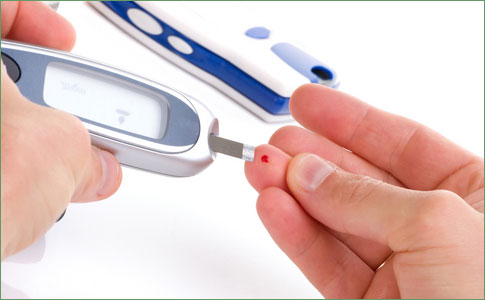
You'll need to check blood glucose values often to make sure you are within your target ranges. Many pregnant women do seven or more tests each day. Test strips are the big expense in monitoring.
You may need to do ketone monitoring each day. This will protect you against surprise ketoacidosis as well as starvation ketosis, which can occur after a low blood glucose value, when carbohydrate intake is very limited, or when calorie intake is lower than needed. This means buying ketone strips.
If you treat your type 2 diabetes with oral diabetes medications, you'll probably need to switch to insulin before you become pregnant. This means paying for insulin pens or syringes and insulin, plus training from an educator on how to give insulin and to adjust your dose.
-- Martha M. Funnell, MS, RN, CDE Michigan Diabetes Research and Training Center University of Michigan Medical School Ann Arbor, Michigan
Robert M. Anderson, EdD
Michigan Diabetes Research and Training Center University of Michigan Medical School Ann Arbor, Michigan
Shereen Arent, JD
National Director of Legal Advocacy American Diabetes Association
American Diabetes Association Complete Guide to Diabetes

 News
 News