
How to Prepare the Patient with Diabetes for Exercise
Key points
- The incidence of vascular problems such as coronary artery disease is greatly elevated in patients with type 2 diabetes as compared to a healthy population.
- Intermittent claudication and trophic changes of the feet are indicators of peripheral arterial disease and should prompt evaluation by duplex sonography and treadmill testing.
- Patients with proliferative diabetic retinopathy are at risk to develop vitreous hemorrhage or traction retinal detachment during strenuous physical exercise.
- Loss of peripheral sensation particularly in the feet may ultimately result in skin ulcerations and fractures.
Cardiovascular System
The incidence of vascular problems such as coronary artery disease is greatly elevated in patients with type 2 diabetes as compared to a healthy population.
Moreover, due to impaired sensation of anginal pain in many individuals uncontrolled exercise may precipitate grave consequences.
Cardiac autonomic neuropathy may be suspected in patients with resting tachycardia (>100/min), orthostasis (fall in blood pressure >20 mmHg during upright standing), or signs of autonomous nervous system dysfunction (skin, pupils, gastrointestinal, genitourinary systems).
In order to minimize harmful side effects of physical exercise in patients with type 2 diabetes they should undergo a careful evaluation prior to increasing their level of physical activity on a regular basis.
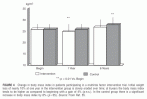
FIGURE 4 Change in body mass index in patients participating in a multirisk factor intervention trial.
Initial weight loss of nearly 10% at one year in the intervention group is slowly eroded over time; at 6 years the body mass index tends to be higher as compared to beginning with a gain of 4% (p:n.s.). In the control group there is a significant increase in body mass index by 8% (p < 05). Source: From Ref. 55.
The following recommendations have been modified from the Health Professional's Guide to Diabetes and Exercise. A graded treadmill exercise test should be performed in all patients in order to detect myocardial ischemia, and to determine the individual cardiopulmonary fitness and exercise tolerance.
The optimal training heart rate is determined as 80% of the maximal symptom free heart rate. In patients with questionable results alternative stress tests (stress echocardiography, radionuclide stress test) can be employed to increase the diagnostic precision. In patients with typical anginal symptoms or significant ST-segment changes invasive diagnostic coronary angiography is indicated. Patients with hemodynamically significant coronary lesions should undergo either interventional or surgical treatment as indicated prior to embarking on an exercise program.
Long-standing diabetes may result in significant impairment of myocardial function and cause symptoms and signs of congestive heart failure (diabetic cardiomyopathy) (35, 41).
Myocardial hypertrophy combined with an increase in interstitial fibrosis may cause diastolic heart failure, indistinguishable from systolic heart failure on clinical grounds.
Echocardiography is used to assess left ventricular performance, rule out valvular heart disease and determine left ventricular compliance in patients with myocardial hypertrophy.
Written and revised by
Gerald Hurowitz, M.D.
Our doctors write and review articles for accuracy and keep them up to date.
health.am provides general information, not medical advice. Always consult a qualified health professional about your own health.
Explore health topics
More in this topic
Diabetes & Hormones → News
Heart failure patients with diabetes may benefit from higher glucose levels
Lowering glucose levels for people with diabetes is normally critical to improving health outcomes. But for those with heart failure, that might not always be the case, say UCLA researchers. A new study found that for…
10 April 2012
 News
Metformin May Improve Pancreatic Cancer Prognosis in Patients With Diabetes
Patients with diabetes and pancreatic cancer who are prescribed metformin may have improved survival compared with those not prescribed the commonly used diabetic agent, according to a study published in Clinical Cancer…
2 April 2012
NewsFDA: Diabetes device plan may help patients faster
The U.S. Food and Drug Administration issued new guidelines on Thursday for the development of a potentially revolutionary device to treat type 1 diabetes that will give manufacturers 'maximum flexibility' in getting it…





