Beta-Cell Dysfunction
Key points
- Although abnormalities of insulin secretion in the pathophysiology of diabetes have often been neglected, they occur already early during the disease and can often already be demonstrated in subjects with normal glucose tolerance (first-degree relatives of type 2 diabetes).
- After uptake of glucose pancreatic beta-cell glucose is rapidly degraded in oxidative glucose metabolism, leading to ATP formation.
- In patients with type 2 diabetes, plasma glucose levels are elevated; and consequently, fasting plasma insulin.
- Since over time insulin secretion appears to decrease in most patients, it has been proposed that glucose itself is toxic to beta cells.
Although abnormalities of insulin secretion in the pathophysiology of diabetes have often been neglected, they occur already early during the disease and can often already be demonstrated in subjects with normal glucose tolerance (first-degree relatives of type 2 diabetes).
Normal Insulin Secretion
After uptake of glucose pancreatic beta-cell glucose is rapidly degraded in oxidative glucose metabolism, leading to ATP formation. ATP is involved in beta-cell membrane depolarization.
The ADP/ATP ratio, the sulfonylurea receptor-1 (SUR 1) protein, which closes the adjacent potassium channel (potassium inward rectifier 6.2, KIR 6.2 channel). The closure of the potassium channels will decrease the membrane potential, which leads to opening of voltage-gated calcium channels; this induces the release of insulin-containing granules (Fig. 5). Upon stimulation with glucose, insulin is released with a short-lasting peak of a few minutes (so-called "first-phase") followed by a slowly evolving second phase; the second phase lasts as long as the plasma glucose level is elevated.
Insulin Secretion in Type 2 Diabetes
In patients with type 2 diabetes, plasma glucose levels are elevated; and consequently, fasting plasma insulin. Although the insulin levels sometimes increase slightly after a meal in patients with type 2 diabetes mellitus this is considerably less than normal.
In studies in which glucose levels have been raised by glucose infusions (hyperglycemic clamps) to comparable levels in diabetic subjects and controls, it has become clear that second-phase insulin secretion is roughly 25% (IGT) to 50% decreased in type 2 diabetes. First-phase secretion is generally completely lost. In normoglycemic first-degree relatives insulin secretion is also diminished but to a lower extent, presumably on a genetic basis.
It is suspected that upon acquaintance of insulin resistance (obesity, physical inactivity) the pancreas that has already lower secretory capabilities can adapt less than normal, which might lead to decreased glucose tolerance or diabetes.
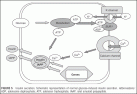
FIGURE 5 Insulin secretion. Schematic representation of normal glucose-induced insulin secretion.
Abbreviations : ADP, adenosine dephosphate; ATP, adension triphosphate; IAAP, islet amyloid polypeptide.
It has been widely suggested that various mechanisms might further aggravate beta-cell insulin secretory dysfunction, among which glucose toxicity, lipotoxicity, and amyloid deposition.
Glucose Toxicity
Since over time insulin secretion appears to decrease in most patients, it has been proposed that glucose itself is toxic to beta cells.
Written and revised by
Gerald Hurowitz, M.D.
Our doctors write and review articles for accuracy and keep them up to date.
health.am provides general information, not medical advice. Always consult a qualified health professional about your own health.
Explore health topics
More in this topic
Diabetes & Hormones → News
La Jolla Institute researchers identify pivotal immune cell in Type 1 diabetes in humans
Researchers at the La Jolla Institute for Allergy & Immunology have proven – for the first time in human tissues - the specific immune system T cells which trigger the destruction of type 1 diabetes in the pancreas. The…
13 January 2012
 News
La Jolla Institute-led team illuminates cell pathway key to insulin resistance in Type 2 diabetes
A research team, led by La Jolla Institute scientist Joel Linden, Ph.D., has shed new light on the problem of insulin resistance, and identified the key participants in a molecular pathway that holds therapeutic promise…
24 February 2011
 News
BUSM researchers uncover cellular mechanism responsible for chronic inflammation, Type 2 diabetes
Researchers from Boston University School of Medicine (BUSM) have demonstrated that certain T cells require input from monocytes in order to maintain their pro-inflammatory response in people with type 2 diabetes (T2D).…