Boys 'shorten mums' lives'
Key points
- Having sons cut mothers' lives short, according to researchers looking at families 200 years ago.
- Boys take more of a toll on mothers than girls because they grow faster in the womb, are heavier at birth and require more care after birth, the researchers added.
- The pattern might still be seen in developing countries today, they suggested.
- The team from the UK and Finland looked at church records for the Sanu people ('Lapps), who lived in Scandinavia between the 17th and 19th centuries.
Having sons cut mothers' lives short, according to researchers looking at families 200 years ago.
The pattern might still be seen in developing countries today, they suggested.
The team from the UK and Finland looked at church records for the Sanu people ('Lapps), who lived in Scandinavia between the 17th and 19th centuries.
The Sanu depended on reindeer herding, fishing and hunting for their livelihood and lacked advanced medical care
The researchers found that, compared to daughters, having sons significantly shortened the life span of mothers.
On average, the reduction was 34 weeks per son, though it ranged from four to 64.
Daughters increased a mother's life expectancy by an average of 23 weeks.
Mothers with many daughters who survived to adulthood had the longest lifespans in these pre-industrial Sami people.
A woman's longevity was not related to her total family size.
Long-term cost
Boys take more of a toll on mothers than girls because they grow faster in the womb, are heavier at birth and require more care after birth, the researchers added.
They suggested men's lifespans were not affected by the number or gender of their children because they do not suffer direct physiological costs of reproduction as women do.
"Perhaps girls are more likely to help with gathering food and caring for children"
Samuli Helle, University of Turku, Finland
In the journal Science, the researchers wrote: "Our results suggest that giving birth to sons had a higher relative long-term survival cost for mothers than giving birth to and raising daughters.
Samuli Helle of the University of Turku, Finland, who led the research, told BBC News Online there was no definite explanation for the lifespan difference, but suggested: "Perhaps girls are more likely to help with gathering food and caring for children."
Dr Virpi Lummaa, of Cambridge University's Department of Zoology, who also worked on the study, said it was possible that the same pattern was seen in developing countries today.
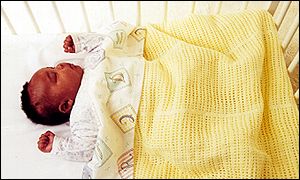
"Where mothers are having many children, no medical care, have high mortality rates - these kind of things could still appear there."
[BBC]
Written and revised by
Gerald Hurowitz, M.D.
Our doctors write and review articles for accuracy and keep them up to date.
health.am provides general information, not medical advice. Always consult a qualified health professional about your own health.
Explore health topics
More in this topic
Children's Health → News
Preventing child obesity in the next generation must start before conception
The key to preventing obesity in future generations is to make their parents healthier before they conceive, leading health researchers suggest. In a series of papers, published in The Lancet Diabetes and Endocrinology,…
14 October 2016
 News
A family-based weight management program improved self-perception among obese children
Battling the childhood obesity epidemic is a priority for many researchers, as obesity during adolescence increases the risk of chronic diseases throughout life. Because obese children have lower quality of life and…
8 June 2016
 News
Infant BMI is good predictor of obesity at age 2
Babies with a high body mass index (BMI) at age two months are at risk for obesity at age two years, say pediatric researchers. The authors, in an online study published today in Pediatrics, say that BMI better predicts…