
Malignant stem cells may explain why some breast cancers develop and recur
Key points
- Mutations that are found in stem cells could be causing some breast cancers to develop and may be the reason the disease recurs.
- With the latest treatments, technologies, hundreds of research studies and approximately 400 clinical trials, the OHSU Knight Cancer Institute is the only National Cancer Institute-designated Cancer Center between Sacramento and Seattle - an honor earned only by the nation's top cancer centers.
- The mutations were discovered in a study conducted by scientists and physicians at the Oregon Health & Science University Knight Cancer Institute.
- "By studying normal and malignant cells that were collected from breast tissues removed during surgery, we were able to look at what is occurring in the body," said SuEllen J.
Mutations that are found in stem cells could be causing some breast cancers to develop and may be the reason the disease recurs. These abnormal cells are likely controlling cell functions in the tumor and, given they are not targeted by chemotherapy and radiation, they enable the disease to recur.
The mutations were discovered in a study conducted by scientists and physicians at the Oregon Health & Science University Knight Cancer Institute. The study, which examined breast cancer cells removed during surgery, was recently published online in the Annals of Surgical Oncology.
"By studying normal and malignant cells that were collected from breast tissues removed during surgery, we were able to look at what is occurring in the body," said SuEllen J. Pommier, Ph.D., the lead author of the study and associate research professor in the division of surgical oncology at the OHSU Knight Cancer Institute.
Working with samples taken directly from surgeries made the findings in this study possible, Pommier said, because the biology of breast stem cells could be compared with their malignant counterparts in a way that hadn't been done before. The cultured cell lines used in most studies can't provide accurate information about normal breast stem cells.
The study, which was funded primarily by the Avon Foundation for Women, may prove that some current therapies that target mutations in the tumor won't be effective in stamping out the disease for some patients. It also suggests that more research should be done in two areas:
* Determining the role of PIK3CA/AKT1 signaling mutations, which were found in 73 percent of the tumors in this study of fresh surgical specimens – an occurrence rate that is much higher than previously detected in stored samples.
* And, exploring the importance of the loss of CD24 expression, which previously was considered a requirement for breast cancer stem cells, but may not be a characteristic of all breast cancer stem cells.
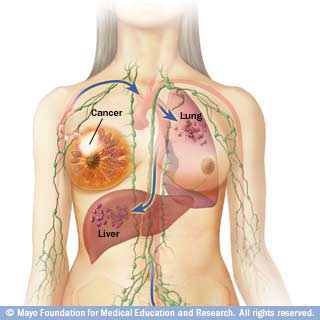
Understanding the biology of individual tumors is the primary mission of the OHSU Knight Cancer Institute. "This study provided us with new insights into breast cancer stem cells and possibly into the earliest mutations. That information is crucial for developing treatments," Pommier added.
###
In addition to support from the Avon Foundation for Women, this study was funded by a Vertex Pharmaceutical/Oregon Health & Science Collaborative Research Grant.
About the OHSU Knight Cancer Institute
With the latest treatments, technologies, hundreds of research studies and approximately 400 clinical trials, the OHSU Knight Cancer Institute is the only National Cancer Institute-designated Cancer Center between Sacramento and Seattle - an honor earned only by the nation's top cancer centers. The honor is shared among the more than 650 doctors, nurses, scientists and staff who work together at the OHSU Knight Cancer Institute to reduce the impact of cancer.
Written and revised by
Andrey Nailor, M.D.
Our doctors write and review articles for accuracy and keep them up to date.
health.am provides general information, not medical advice. Always consult a qualified health professional about your own health.
Explore health topics
More in this topic
Cancer → News
Two recent Notre Dame papers shed light on how breast cancer cells avoid death
Two new papers from the lab of Zach Schafer, Coleman Assistant Professor of Cancer Biology at the University of Notre Dame, offer insights into how breast cancer cells avoid anoikis, which is cell death induced by…
21 April 2015
 News
Tumor cells that mimic blood vessels could help breast cancer spread to other sites
Imitation may be the sincerest form of flattery, but it can also have deadly consequences, at least when it comes to tumor cells. A team of researchers from Cold Spring Harbor Laboratory (CSHL) and the CRUK Cambridge…
10 April 2015
 News
Decoding the emergence of metastatic cancer stem cells
In the first study of its kind, Rice University researchers have mapped how information flows through the genetic circuits that cause cancer cells to become metastatic. The research reveals a common pattern in the…



