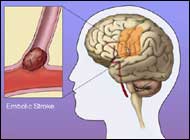
High-dose paracetamol "may help stroke patients"
Key points
- Giving a high dose of paracetamol to stroke patients with raised body temperatures appears to improve their chance of recovering without serious disability, Dutch researchers said on Tuesday.
- The finding suggests the common pain reliever, which is known as acetaminophen in the United States, should be considered as a cheap and widespread stroke therapy.
- A temperature above 37 degrees Celsius immediately after a stroke is known to worsen the prognosis, with the odds of a poor outcome doubling for every degree increase.
- Paracetamol at a daily dose of 6 grams reduces body temperature by about 0.3 degrees.
Giving a high dose of paracetamol to stroke patients with raised body temperatures appears to improve their chance of recovering without serious disability, Dutch researchers said on Tuesday.
The finding suggests the common pain reliever, which is known as acetaminophen in the United States, should be considered as a cheap and widespread stroke therapy.
A temperature above 37 degrees Celsius immediately after a stroke is known to worsen the prognosis, with the odds of a poor outcome doubling for every degree increase. About a third of stroke patients have temperatures above 37.5.
Paracetamol at a daily dose of 6 grams reduces body temperature by about 0.3 degrees.
Doctors from the Erasmus MC University Medical Centre in Rotterdam carried out a 1,400-patient study comparing outcomes for stroke patients given paracetamol and a placebo.
They found that 40 percent of patients with a baseline body temperature of 37-39 degrees given paracetamol improved beyond expectations.
Writing in the journal Lancet Neurology, Heleen den Hertog and colleagues said the results needed further confirmation in a larger study but that paracetamol could be a simple, safe and cheap treatment for strokes.
LONDON (Reuters)
Written and revised by
Andrey Nailor, M.D.
Our doctors write and review articles for accuracy and keep them up to date.
health.am provides general information, not medical advice. Always consult a qualified health professional about your own health.