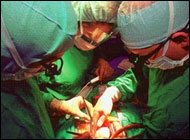
Opioid Use Common After Spine Surgery
Key points
- One year after surgery to relieve back pain, about of third of patients still were using narcotic painkillers, according to a study that raised new concerns about the long-term use of opioids.
- The finding, presented at the North American Spine Society meeting here, emerged from an analysis of data from 172 patients who underwent elective surgery for repair of the cervical spine.
- Although many patients expressed satisfaction with the outcome of surgery, 51% of patients who were using opioids before the surgery still were using the drugs one year later, Marjorie Wang, MD, MPH of the Medical College of Wisconsin, and colleagues reported.
- And among those who were not using the drugs before surgery, 18% were using them a year after their surgery.
One year after surgery to relieve back pain, about of third of patients still were using narcotic painkillers, according to a study that raised new concerns about the long-term use of opioids.
The finding, presented at the North American Spine Society meeting here, emerged from an analysis of data from 172 patients who underwent elective surgery for repair of the cervical spine.
Although many patients expressed satisfaction with the outcome of surgery, 51% of patients who were using opioids before the surgery still were using the drugs one year later, Marjorie Wang, MD, MPH of the Medical College of Wisconsin, and colleagues reported.
And among those who were not using the drugs before surgery, 18% were using them a year after their surgery.
Overall, 55 patients or 32% were using the opioids a year later.
The finding suggests that patients may become dependent on the drugs and have a difficult time getting off them, said Richard Deyo, MD, a professor of family medicine at Oregon Health and Science University who has done research on back pain and opioid use.
"The worrisome thing is patients often are getting opioids because it is the easiest thing," said Deyo who was not involved in the study.
Deyo said the study findings echoed other research showing a high level of opioid use continued as far as 2 years after patients underwent lumbar spine surgery.
Opioid use increased dramatically during the 2000s as the drugs were prescribed more for chronic, non cancer pain, though rigorous studies have not demonstrated either safety or efficacy for treatment of chronic back pain.
Along with the increased use has been escalating numbers of overdose deaths and addiction.
Journal Sentinel/MedPage Today investigative reports found that the increased prescribing was linked to a push to liberalize use of the drugs by non profit medical societies that received millions of dollars in funding from opioid companies.
Wang, the study's lead author, said she was surprised at the finding given that more than 70% the patients reported being satisfied with the results of their surgery.
"There was sort of a disconnect there," said Wang, an associate professor of neurosurgery at the Medical College of Wisconsin who practices at Froedtert Hospital where the surgeries took place. "I would have expected opioid use to go down."
Because opioid use was much higher at one-year among those who already were taking the drugs before their surgery, it suggests that starting someone on the drugs can lead to a chronic problem, she said.
Wang said it is not known who was prescribing the drugs a year later.
It could have been the surgeons, but it also could have been pain specialists or family practice doctors, she said.
Written and revised by
Gerald Hurowitz, M.D.
Our doctors write and review articles for accuracy and keep them up to date.
health.am provides general information, not medical advice. Always consult a qualified health professional about your own health.